使用指南
fibo-2.0 图生图提示词配方:多参考编辑的可复制粘贴提示词
多参考编辑、主体保真与风格一致性的实用配方手册

本页内容
图生图提示词的不同之处
文生图提示词是从零描述一个场景。模型拥有完全的自由,你的提示词只是一份愿望清单。图生图提示词则是一份不同的契约:模型已经有像素可供处理,你的任务是告诉它哪些像素重要、要改变什么,以及什么必须在改变后保留下来。如果你按照写文生图提示词的方式来写图生图提示词,就会遇到两种失败之一——要么模型忽略你的参考图,生成看似合理但错误的内容;要么它过度编辑,悄悄破坏了你想要保留的主体。
正因如此,配方化的方法优于随意发挥。在 fibo-2.0 图生图中,你发送的每个提示词都包含参考图加文本,而文本必须同时完成两项工作:描述编辑内容,并守护不变量。结构良好的提示词会让这两项工作都明确可见。而一段只写着“让它看起来像这样,人物保持不变”的散文式段落,则留下了太多解释空间。
这种思路带来三个实际后果,它们贯穿本指南的全部内容:
- 参考图是论据,不是背景信息。每张参考图都应有一个具名角色。如果你传入三张参考图却从不说每张的用途,模型就必须猜测哪一张决定身份、哪一张决定风格。猜测正是漂移的来源。
- 约束是提示词内容。“保持面部不变”不是模型会默认假设的事,而是你必须写下来的事。措辞越具体,保留就越可靠。
- 迭代是工作流的一部分。因为图生图基于已有像素操作,你可以进行受控实验:修改一个子句、重新生成、与原参考图对比。这个循环才是真正的技能。
下面的配方都围绕这一心智模型构建。每个配方都可直接复制粘贴,但价值在于其骨架——一旦你看清参考角色、编辑动作和约束块如何组合在一起,你就能为本文未覆盖的编辑自行组装提示词。
多参考编辑指令的结构剖析
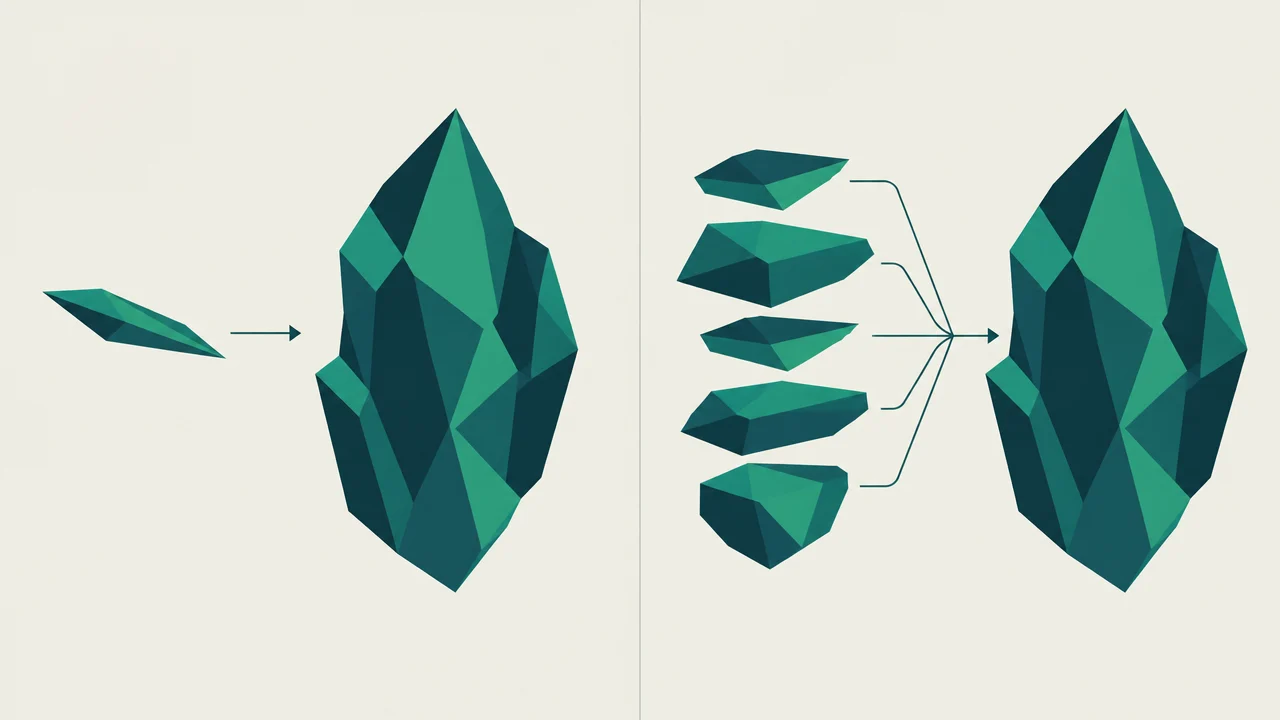
本指南中的每个提示词都是同一骨架的变体。学会这个骨架一次,各个配方就变成了替换练习,而不是死记硬背。
第 1 块——参考角色。开头先为每张输入图指定一项任务。使用一致的编号标注方案,使其与发送图片的顺序对应,并用平实的语言说明角色。
Image 1: subject reference. Preserves identity, face, hair, and body proportions.
Image 2: style reference. Governs color palette, lighting, and rendering texture only.
Image 3: background reference. Governs environment and camera framing only.
两条规则让这一块发挥作用。第一,每张参考图只承担一个主要角色——如果一张参考图被要求做两件事,就要说明冲突时哪一件优先。第二,明确界定参考图不控制什么(“only”“do not affect the subject's face”)。正是这种范围界定防止风格参考渗入身份。
第 2 块——编辑动作。这是一条单一、具体的指令,以动词作用于具名对象的形式表述。
Edit action: replace the background of Image 1 with the environment from Image 3.
Keep the camera angle of Image 1. Relight the subject to match the light
direction in Image 3.
这里不要堆叠多个编辑。每块一个动作——背景替换、重新打光、姿态调整——能让实验保持可读。如果你需要三项编辑,就要决定它们应放在一次生成中还是分三次。
第 3 块——约束块。这里将主体保真和风格一致性表述为明确的义务。
Constraints:
- Subject identity must remain recognizable: same facial structure, same hair color and length, same skin tone.
- Do not change the subject's expression or pose.
- Output must inherit the style reference's rendering: [describe the style in 5-10 words].
- Do not introduce elements not present in any reference image.
第 4 块——负向列表。一份简短、有针对性的需避免内容列表,来源于你实际见过的失败(详见专节)。把它放在最后,让正向指令占据主导。
顺序很重要。角色在前,模型才知道自己在看什么。动作其次,主要意图才无歧义。约束第三,作为检查清单。负向最后。当一次生成失败时,失败的块会告诉你该重写哪一块——这种诊断特性正是即便提示词显得冗长也要保持结构严格的原因。
可复制粘贴配方:主体保真
这些模板假设有一张主体参考图和一张或多张上下文参考图。每种情况的目标都是:主体在编辑后完好保留,而周围的一切都发生变化。
配方 1——背景替换,身份锁定。
Image 1: subject reference. Image 2: background reference.
Edit action: place the subject from Image 1 into the environment of Image 2.
Constraints:
- Preserve the subject's face exactly: facial structure, eye shape, eyebrows, nose, mouth, skin tone, and any distinguishing marks.
- Preserve hair color, hair length, and hairstyle.
- Preserve body proportions and the subject's original pose and clothing.
- Match perspective and scale to Image 2's camera position; relight the subject to the ambient light direction in Image 2.
- Keep the subject sharp and unobstructed; do not crop the face.
Negative: altered facial features, changed hairstyle, different clothing, warped hands, extra limbs, cartoon-like skin, mismatched shadow direction.
配方 2——仅改变光照和时段。
Image 1: subject reference.
Edit action: change the lighting of Image 1 from [current condition] to [target condition, e.g. warm golden-hour side light].
Constraints:
- Geometry, pose, clothing, and identity are frozen; only illumination changes.
- Keep shadow direction consistent with the new light source.
- Preserve skin texture; do not smooth or beautify.
- Preserve background composition exactly.
Negative: new objects, changed background layout, plastic skin, bloom haze, color cast on the face beyond the stated light.
配方 3——插入上下文(添加道具或第二个元素)。
Image 1: subject reference. Image 2: prop reference.
Edit action: add the object from Image 2 into the subject's hands in Image 1.
Constraints:
- The subject's identity, pose, and expression remain unchanged except for the hand position required to hold the object.
- The object must match Image 2's shape, color, and material; scale it correctly to the subject's hand.
- Contact shadows where the object meets the hand.
Negative: object floating, wrong object color, extra fingers, changed face, changed clothing.
注意这三个配方中的共同模式:身份约束排在最前,并且是逐项列举而非概括。“Preserve the face exactly”比一份特征清单要弱。当生成发生漂移时,你可以把漂移追溯到你具名或未具名的具体特征上。

可复制粘贴配方:跨参考图的风格一致性
这里挑战反过来了:你希望某一属性被强力迁移(风格),同时另一属性保持冻结(主体)。结构剖析部分的范围界定语言在这里承担主要作用。
配方 4——将风格迁移到主体上。
Image 1: subject reference (shape, identity, composition). Image 2: style reference (rendering only).
Edit action: re-render Image 1 in the visual style of Image 2.
Constraints:
- Style is defined as: [5-10 word description of Image 2's style — e.g. flat vector shapes, limited palette, heavy ink outlines].
- Inherit palette, line quality, shading technique, and texture from Image 2.
- Do NOT inherit Image 2's subject matter, composition, or camera angle.
- Preserve Image 1's subject identity, pose, and framing.
Negative: subject matter from the style reference, photorealistic rendering, color outside the reference palette, lost facial features, new elements.
配方 5——让多个输出匹配同一系列。
Image 1: subject reference. Image 2: previously approved output (style anchor).
Edit action: generate a new image of the subject in the same visual treatment as Image 2, with [the new change].
Constraints:
- Match Image 2's palette, contrast, grain, and lighting exactly.
- Subject identity from Image 1 must match the identity shown in Image 2.
- Hold composition rules from Image 2: [e.g. centered subject, negative space on the left].
Negative: palette drift, contrast shift, different grain, identity drift from Image 1.
当你产出的是整套素材而非单个素材时,配方 5 就是应当选用的那一个。使用之前已批准的输出作为风格锚点可以闭合循环——每次新生成都锚定在你已经接受的东西上,而不是锚定在对风格的抽象描述上。这里最常见的失败是长系列中的调色板漂移,因此每一轮都要明确点名调色板和对比度。
构建真正有用的负向列表
通用的负向列表大多是噪音。如果你从某个教程粘贴四十个关键词,其中大多数描述的是你的提示词根本不会产生的失败模式,还有少数可能主动与你的意图冲突(当你要求干净的矢量风格时却禁止“smooth”)。有用的负向列表应当简短、针对你的模型和参考图,并且源自证据。
分四步构建它。
- 从空列表开始。发送你的正向提示词,不带任何负向项。
- 生成一小批结果并记录失败。用模型的术语写下实际出错的地方:“face widened”“hair color shifted toward the style reference's palette”“hands distorted”“background crept into the subject's silhouette”。
- 将每个观察到的失败转化为负向子句。对失败使用名词短语,而非抽象概念:
widened jaw、hair color shifted to teal,而不是bad anatomy。 - 积极精简。经过三四轮迭代后,移除任何从未触发的负向项。从未触发的负向项是死重,还可能和未来的提示词冲突。将列表控制在约十项以内,并把它作为具名块保存,以便在各配方中复用。
一个来自主体保真实验的实例:
Negative (identity drift set): changed facial features, different hair color, different hairstyle, altered skin tone, added facial hair, changed eye color, plastic skin.
另一个用于风格迁移的单独集合:
Negative (style leak set): style reference's subject matter, style reference's composition, palette outside reference, lost identity, photorealistic texture on a stylized pass.
将这些保留为具名集合,而不是一份巨型列表,并且只包含与当前配方相关的集合。这正是有用的负向列表与纯粹仪式性负向列表的区别。
解读真实输出并迭代
生成成本很低;含糊的迭代成本很高。区分清爽工作流与令人沮丧工作流的纪律,就是单变量改动。
按如下方式运行循环:
- 将提示词与输出一起保存。每个结果都附带其确切的提示词文本和参考图集合。没有这一条,你会重新推导一个已经试过的提示词,并纳闷为什么这次更差。
- 与原参考图对比,而不是与上一个输出对比。逐步对比时,漂移是累积的且不可见。把原始主体参考图放在每个新输出旁边,逐项检查列举的保真特征:面部、头发、肤色、服装、姿态。
- 将每个失败对照提示词块评分。在你已列举的特征上发生身份漂移,是权重问题——加强约束措辞。在你从未具名的特征上发生漂移,是覆盖问题——补上子句。来自你已界定范围的参考图的风格泄漏,是范围界定问题——让“only”措辞更严格。
- 每次迭代只改变一个子句。如果你同时改变约束块和负向列表,更好的结果无法告诉你为什么更好。
- 当不变量成立时停止,而不是当图像好看时停止。审美吸引力追逐起来成本低,也容易过拟合。当你的具名约束得以保留时,工作流就成功了;打磨是另一轮独立的工作。
当结果以无法命名的方式出错时,这信号表明你的约束块规定不足,而不是模型失败。解决办法是在下一个提示词中明确写下不变量——配方库正是这样增长的。
fibo-2.0 图生图的后续方向
这些配方只是起步骨架,而非固定契约。最强的工作流是你保留自己版本的每个块:你的参考角色标签、你列举的保真检查清单、你的具名负向集合,全都根据你在自己参考图中实际观察到的失败模式进行调整。
如果你一直写单段提示词并通过重掷来纠正漂移,试着把一个提示词转换为四块结构——角色、编辑动作、约束、负向——并运行一次单变量对比。一旦不变量被写下来,图生图中大部分感知到的随机性就会消失。
有关此工作流的参数、参考图限制和集成细节,请参阅 fibo-2.0 图生图模型页面。