使用指南
面向开发者的 Imagen 4.0 提示词配方:产品、人像与场景拍摄的可复制粘贴提示词
一份实用的提示词结构指南,含可复用模板和负向提示词清单
本页内容
为什么提示词结构胜过措辞
大多数提示词失败并非模型失败,而是提示词从未被真正明确:模糊的主体、未说明的相机角度、需要模型去猜的光线。当提示词是一句冗长的临时措辞时,你无法判断是哪一部分导致了糟糕的结果——因此你无法修复它。
结构化提示词把图像生成变成一个可调试的问题,而非凭直觉的问题。你不必指望一段措辞漂亮的文字能奏效,而是决定存在哪些槽位并有意识地填充它们。如果输出有误,你可以查看哪个槽位描述不足,并只改那一个。
这种结构在开发工作流中带来三个实际好处:
- 可预测性。 在固定槽位中描述的主体总是出现在提示词的同一位置,因此当你从一张测试图像扩展到一批时,行为保持一致。
- 可差异化的迭代。 提示词版本之间只差一两行,而非整段重写,这让前后对比变得有意义。
- 可复用组件。 适用于产品拍摄的光线子句可以搬进人像或场景提示词,而无需重新构思整个字符串。
临时措辞有一个隐藏成本:它让每个提示词都成为一次性产物。你每次都要重新推导同样的措辞,而且无从得知你做的改动是有帮助,还是模型只是碰巧运气好。结构化提示词是可以版本化、审查和交接的资产。
本指南的其余部分使用一个固定骨架,并填入产品、人像和场景拍摄的可复制粘贴配方。把措辞当作起点而非规则——你要保留的是结构。
可复用的提示词骨架
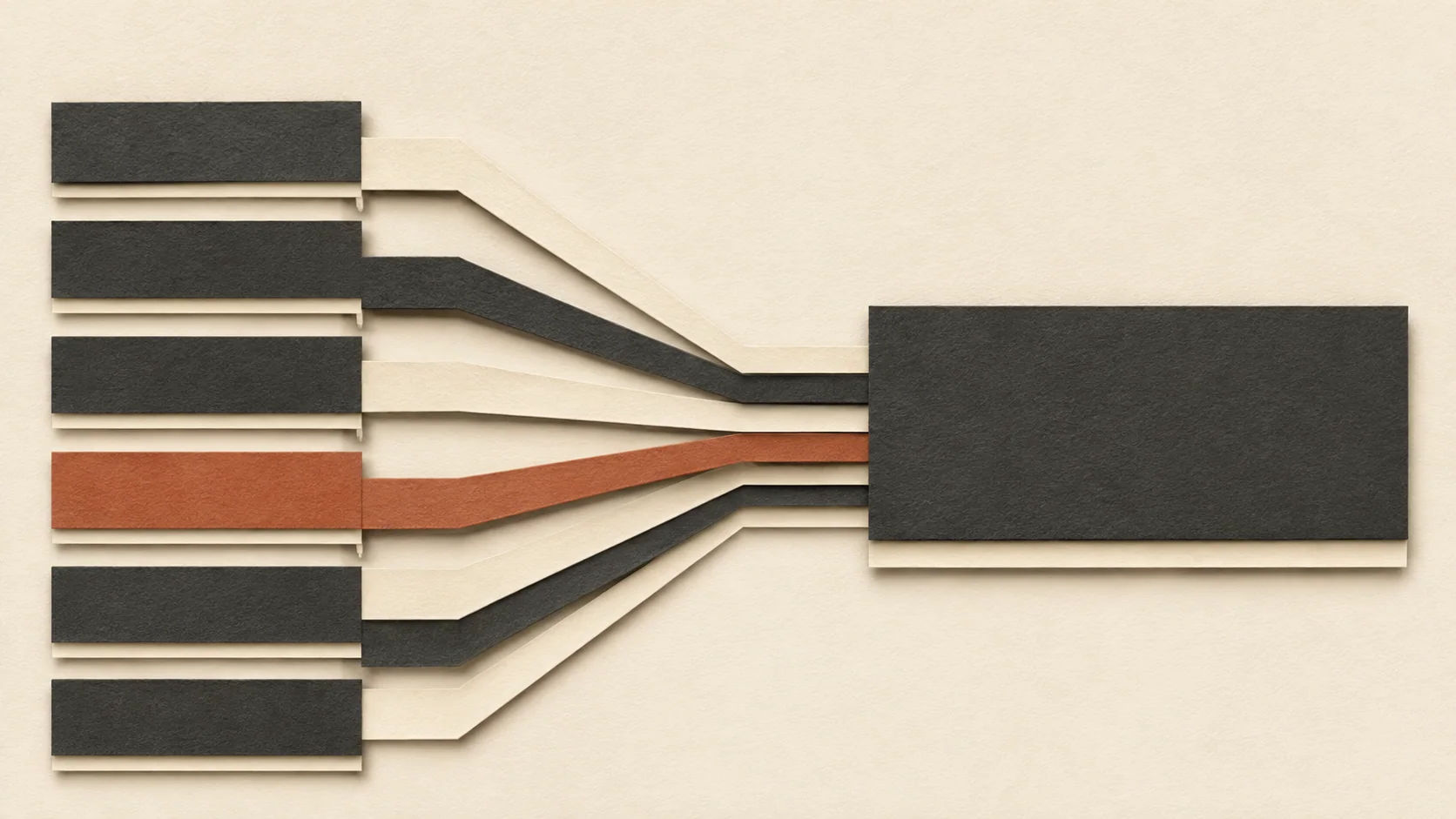
骨架有六个有序槽位。顺序很重要:把具体、硬性的要求放在前面,风格偏好放在后面,这样模型会先锚定图像必须包含的内容,再进行装饰。
[subject] [setting] [lighting] [camera] [style] [constraints]
槽位定义
- subject(主体)——必须出现在画面中的事物:物体、人物或环境。在此说明数量(“一个陶瓷马克杯”)、材质和颜色。
- setting(环境)——它所在的位置:表面、背景、环境、一天中的时间。
- lighting(光线)——光线的方向和质量:柔和的窗光、强烈的轮廓光、阴天日光、影棚柔光箱。
- camera(相机)——如何构图和拍摄:镜头感、角度、距离、景深。
- style(风格)——渲染意图:编辑摄影、纪实写实、干净的商业静物。
- constraints(约束)——你希望排除或强制的内容:无文字、无标志、无反射、居中构图。
填充骨架
从一行简要说明开始,然后逐槽位展开:
Brief: a matte black water bottle on a stone counter

subject:  a single matte black insulated water bottle, slightly worn finish
setting:  on a pale stone kitchen counter, plain neutral wall behind
lighting: soft diffused daylight from the left, gentle shadow falling right
camera:   three-quarter angle, 50mm lens feel, shallow depth of field
style:    clean commercial product photography, true-to-life color
constraints: no text, no logos, no reflections on the bottle, single bottle only
将各槽位连接成一个字符串。保持标点简单;槽位之间用逗号即可。如果某个槽位对给定图像不重要,就删掉它,而不是用填充词塞满——空槽位比相互矛盾的槽位成本更低。
把这个骨架当作应用与模型之间的契约。你的应用构建字符串,你的测试比较输出,你的版本控制跟踪各个槽位的变化。
产品拍摄的可复制粘贴配方
产品拍摄的成败取决于表面、光线和不需要的伪影。主体通常简单;难点在于让它看起来真实,同时不添加杂乱元素或文字。
配方:干净影棚产品
a single [product] in [color/material], centered on a seamless [surface] background,
soft studio softbox lighting from above-left with a subtle fill from the right,
product photography framing, 85mm lens feel, sharp focus on the product with a gentle background falloff,
clean commercial still life, true-to-life color,
no text, no logos, no watermarks, no reflections of the studio, one product only
配方:情境中的生活方式产品
a single [product] resting on a [surface] in a [room type],
[morning/afternoon] natural light through a nearby window, soft shadows,
eye-level angle, 35mm lens feel, shallow depth of field with the product sharp,
editorial lifestyle photography, muted natural palette,
no text, no logos, no extra objects touching the product, clean background
配方:俯拍平铺产品
a single [product] photographed from directly above on a [color] matte surface,
even diffused overhead lighting, no harsh shadows,
flat-lay composition, product centered with generous negative space,
minimal product photography, high clarity,
no text, no logos, no hands, no props beyond the surface
哪些槽位最重要
- setting(环境) 和 lighting(光线) 对真实感的驱动胜过风格词。正确的表面和明确命名的光线方向能完成大部分工作。
- camera(相机) 决定产品看起来像目录照还是生活方式照。迭代时先改变距离和镜头感。
- constraints(约束) 在这里比任何其他类别都更重要。文字、标志和多余反射是最常见的产品失败模式,而它们在提示词中预防的成本最低。
保持产品描述具体:材质、表面处理和颜色。模糊的产品名词会诱使模型编造你并未要求的细节。
人像的可复制粘贴配方
人像对两件事敏感:你如何描述面部,以及你如何描述光线。模糊的面部会漂向泛泛;未命名的光线会漂向平淡。
配方:自然光人像
a [age range] [gender] person with [hair description] and [expression],
seated near a window in a [room type], soft directional daylight from the side,
chest-up framing, 85mm lens feel, shallow depth of field, eyes in sharp focus,
natural documentary portrait photography, realistic skin texture,
no text, no logos, no sunglasses, one person only
配方:影棚人像
a [age range] [gender] person with [hair description], neutral expression, facing camera,
seamless [color] studio background, soft key light from the front-left with a subtle rim light,
head-and-shoulders framing, 100mm lens feel, crisp focus,
clean studio portrait photography, natural skin tones,
no text, no logos, no harsh shadows on the face, one person only
配方:环境人像
a [age range] [gender] person in [clothing] standing in a [environment],
natural ambient light appropriate to the location, soft shadows,
three-quarter framing at eye level, 50mm lens feel, moderate depth of field,
editorial environmental portrait, realistic color,
no text, no logos, face clearly visible, one person only
哪些槽位最重要
- subject(主体) 应描述可观察的属性——年龄范围、发型、服装、表情——而非身份声明。你能在输出中验证的描述更容易迭代。
- lighting(光线) 是皮肤真实感最大的单一杠杆。明确方向和质量(柔和、定向、漫射),而不是写“良好光线”。
- camera(相机) 设定构图。如果面部太显小或太紧,先调整构图距离再重写主体。
当你想要照片级结果时,加上“realistic skin texture”,并随身保留负向清单——手部和背景杂乱是人像常见的失败模式。
场景与环境拍摄的可复制粘贴配方
场景提示词关乎构图和景深。主体常常是空间本身,所以你的工作是告诉模型相机站在哪里,以及允许什么落在焦点之外。
配方:宽广室内
an empty [room type] with [key furniture] and [material] floors,
daylight from large windows on the [side], soft shadows across the floor,
wide angle from corner height, 24mm lens feel, deep depth of field,
architectural interior photography, neutral color palette,
no text, no logos, no people, no clutter
配方:户外风景
a [terrain type] landscape with [foreground element] in the near field,
[time of day] light, low sun casting long shadows,
wide establishing shot, moderate depth of field with the foreground sharp,
realistic landscape photography, natural color grading,
no text, no logos, no people, no buildings
配方:生活方式场景
a [room type] with a person [activity] near [object],
warm ambient light in the late afternoon, soft shadows,
medium shot from eye level, 35mm lens feel, foreground and background separated by depth of field,
lifestyle editorial photography, natural palette,
no text, no logos, face not required, uncluttered composition
哪些槽位最重要
- camera(相机) 定义场景。距离、高度和镜头感决定房间看起来是宽敞还是局促——先改变这些,再改变空间的描述。
- setting(环境) 应承载景深线索:前景元素、中景主体、背景。三者都命名能给图像带来层次。
- lighting(光线) 配合明确的一天时间,能产生远比抽象情绪词更可信的户外场景。
场景提示词也从关于杂乱的负向条目中获益最多。如果图像显得杂乱,先添加排除项,再重写正向提示词。
负向提示词清单
负向提示词是廉价的保险。你不需要为每张图像准备长清单——相反,保留一个简短清单,复制与你实际看到的失败模式匹配的条目。
通用条目
no text, no logos, no watermarks, no signatures
no duplicate subjects, no extra limbs, no extra fingers
no blurry faces, no distorted features
no cluttered background, no distracting objects
产品专用
no reflections of the camera or studio, no harsh hotspots
no props touching the product, no hands
no brand marks, no price tags, no packaging text
人像专用
no sunglasses, no masks, no occluded face
no plastic skin, no over-smoothing
no group of people, one person only
no cropped head, no cut-off shoulders
场景专用
no people unless explicitly requested
no floating objects, no impossible geometry
no harsh shadows across key surfaces
no fisheye distortion, no tilted horizon
如何使用清单
- 从通用条目开始。 它们以最小的提示词权重覆盖大多数失败。
- 只在看到失败时添加类别条目。 堆砌所有排除项可能与你的正向提示词冲突并让结果变平。
- 把排除项写成具体名词和缺陷。 “无文字”和“无多余手指”是可操作的;“质量差”则不是。
- 与你的正向提示词对应。 如果正向提示词说“单个产品”,就配上“无重复主体”,而不是假设一个已暗示另一个。
把这个文件放在提示词模板旁边,让每个新配方都从同一基线开始。
在发布提示词前比较输出
一次看起来不错的提示词,并不等于可以投入生产的提示词。在把模板接入应用之前,跑一个简短的比较循环并锁定版本。
循环
- 固定基线。 从每个要上线的图像类型的一个可编辑模板和一个代表性简要说明开始。
- 一次只改变一个槽位。 先调整光线,再调整相机,再调整约束——绝不同时改多个。如果结果改善,你就知道是哪个改动起了作用。
- 每个变体生成一小批。 单张图像可能有误导性;每个变体生成几张能显示结果是典型还是运气。
- 并排比较。 对照你的简要说明来评判,而非相互比较。问:主体是否匹配,光线是否正确,排除项是否被遵守?
- 锁定并版本化。 一旦某个变体胜出,就冻结它、命名它,并连同测试时使用的负向清单一并存储。
每个版本要记录什么
prompt_id: product-studio-v3
category: product
skeleton_version: 1
positive: >
  a single matte black insulated water bottle, ...
negative:
  - no text
  - no logos
  - no reflections
notes: softened key light, moved to three-quarter angle
实用护栏
- 版本化骨架,而不仅是字符串。 如果你重排槽位,那是破坏性变更——要记录下来。
- 保留一个小型回归集。 每个类别几个简要说明,能在你编辑共享槽位时捕获大多数回归。
- 模型或槽位变化后重新测试。 为一个设置调优的提示词不会自动适用于下一个。
- 发布模板,而非单个幸运提示词。 你的应用应从模板构建提示词,这样每个请求都得到经过测试的版本。
当比较循环完成时,你拥有的东西比一张好图像更好:一个可以复现、审查和改进而无需从头开始的提示词。让候选提示词通过单一界面运行,把配方和负向清单保存在版本控制中,只提升那些通过比较的变体。