
FLUX 3 Max Image-to-Video: First-Frame-Driven Parameters and Scenario Demonstration
Using a single static first-frame image as input, this demonstrates the actual parameter combination used with FLUX 3 Max (Black Forest Labs, image-to-video) on the author's own setup: the prompt describes the motion and camera movement, image_url supplies the first frame, aspect_ratio is set to auto to follow the original image, resolution is 720p, duration is 5 seconds, reasoning_level is set to high to handle more complex scene descriptions, and generate_audio is enabled to produce synchronized audio. This combination corresponds to the image-to-video path that public materials highlight as this model's core capability—turning a static image into a dynamic clip, suited to rapid creative iteration, storyboard previews, and short social-media video drafts. The entry also retains the schema's optional extension slots such as end_image_url, 1080p, and longer durations, making it easy for developers to run parameter comparison experiments on this basis; for generation speed and image-quality performance, refer to your own prompts and actual measurements in your deployment environment.
Style Image-to-Video · Product Demo · Cinematic
Model FLUX 3 Max
Reference inputs
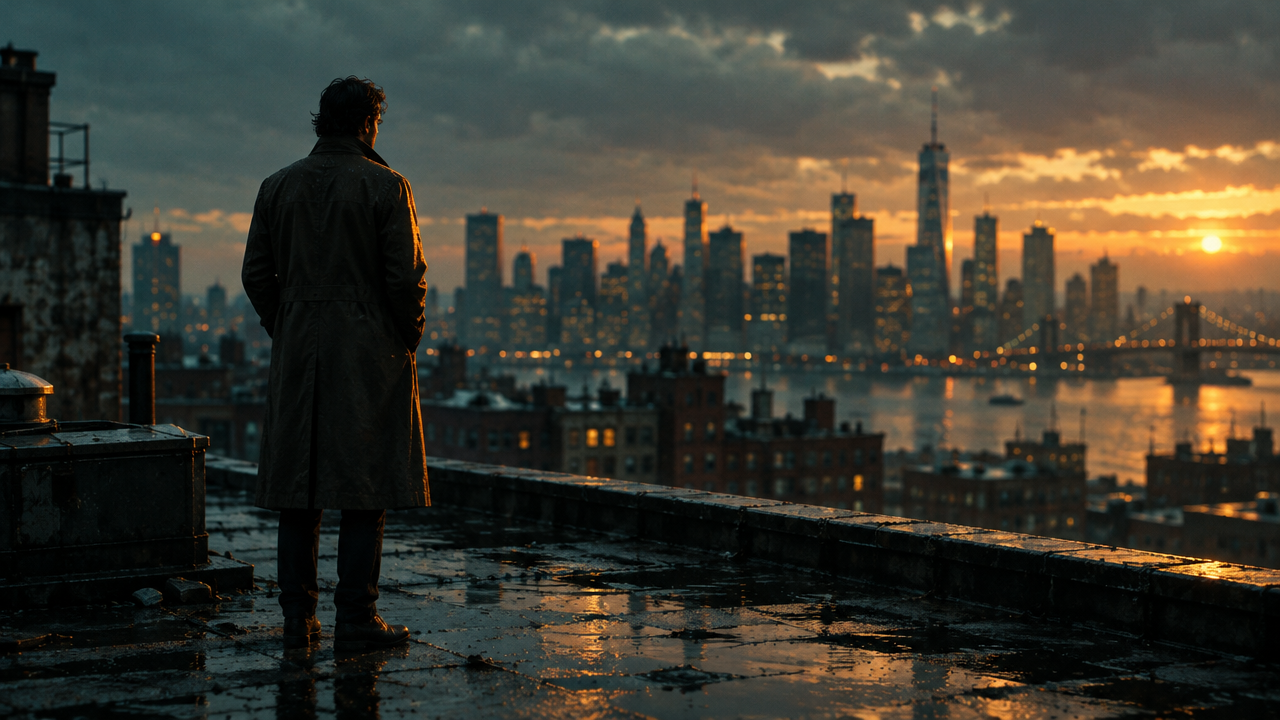
image_url
Prompt
Image-to-video shot: the camera slowly pushes in with slight parallax, and the subject in the first frame comes to life—a gentle breeze stirs hair and clothing, warm rim light drifts slowly across the surfaces, and fine dust particles float in the air. Preserve the composition and color characteristics of the source image, stable handheld feel, shallow depth of field, cinematic 720p framing, natural and smooth motion rhythm, five seconds long.
Copy the full prompt and adapt it for your own generation.
Tags