From Storyboards to Moving Shots: FLUX 3 Max Image-to-Video Concept Demo
Following a two-stage storyboard concept of "text to image, image to motion": first lock in the composition and art direction with the first-frame image, then use FLUX 3 Max's image-to-video capability to push the still image forward into a continuous shot. This entry provides an optional last frame, constraining the endpoint of the motion via first and last frames, and describes the camera movement, lighting changes, and subject action through the prompt to verify the model's performance on prompt adherence. On the parameter side, it retains the resolution, aspect ratio, duration, and inference strength settings allowed by the schema, with duration set to a shorter 5 seconds to suit rapid iteration and storyboard preview scenarios. Suitable for concept design previews, advertising storyboard drafts, and creative workflows that need to see dynamic effects within tens of seconds and adjust repeatedly.
Style Storyboard · Concept Art · Camera Movement
Model FLUX 3 Max
Reference inputs
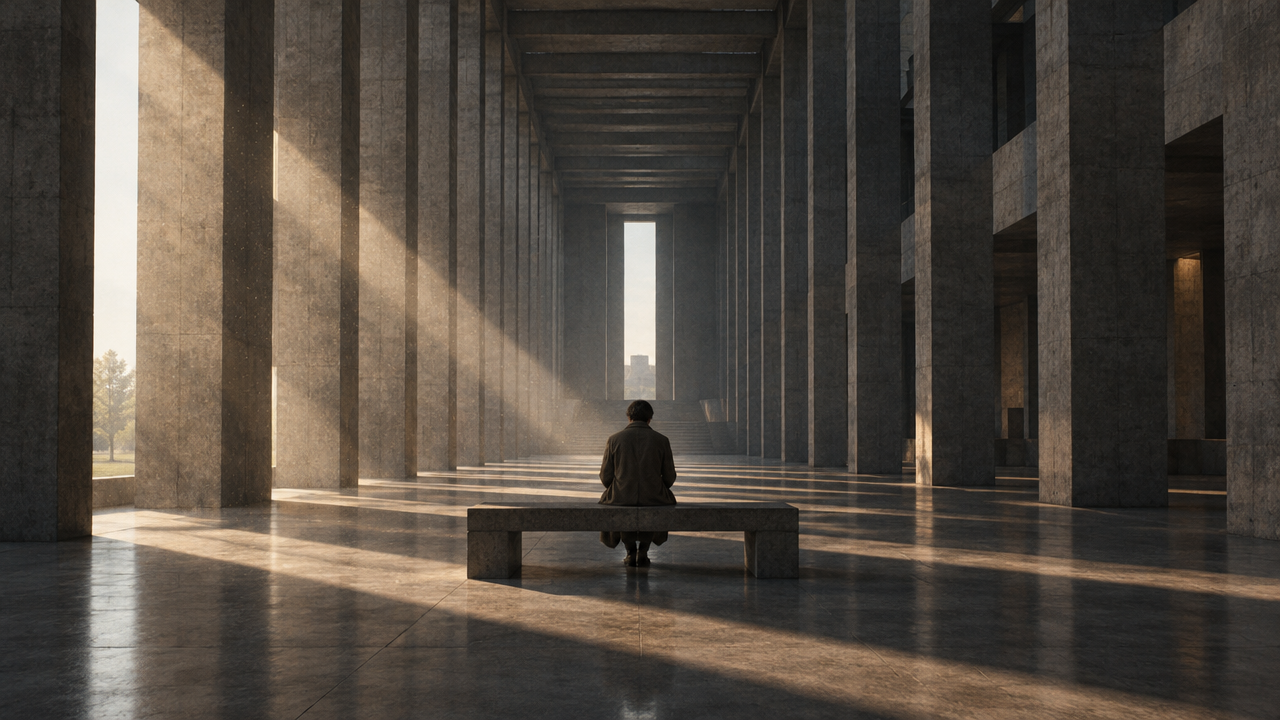
image_url
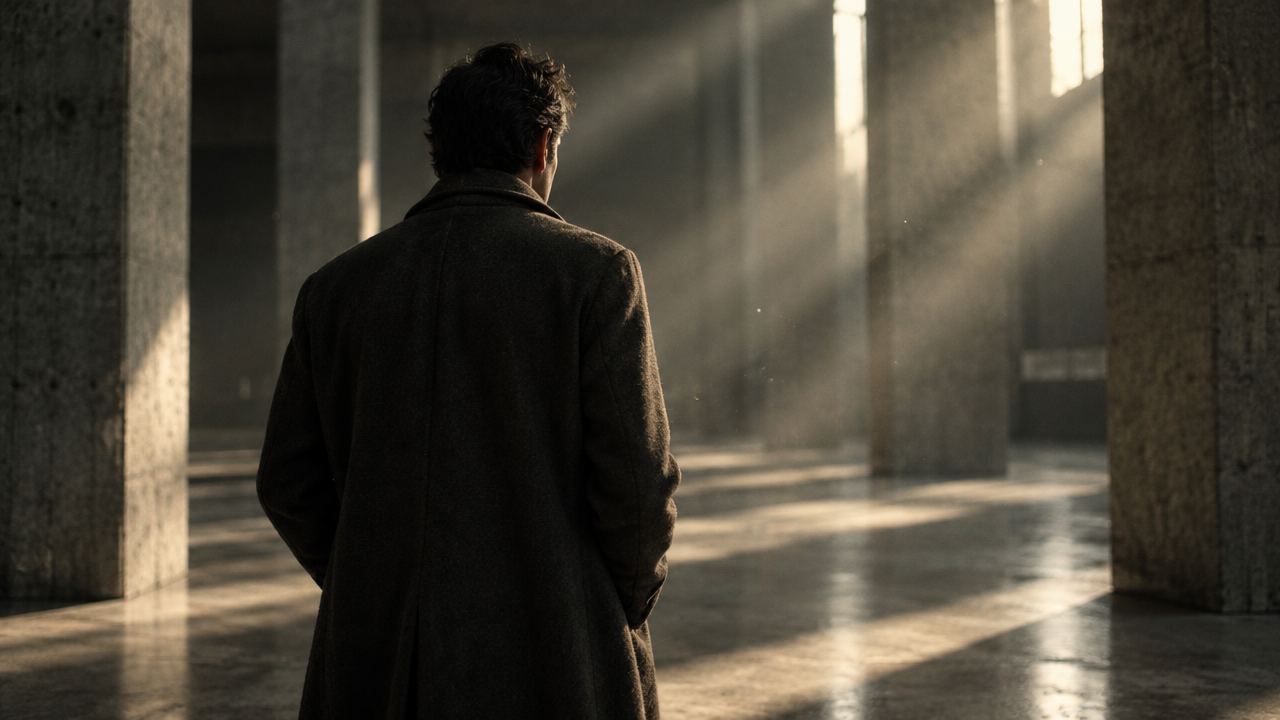
end_image_url
Prompt
Turn the storyboard image into a continuous cinematic long take: the camera slowly and steadily pushes in toward a seated figure at the center of a brutalist hall, dust particles floating in the slanting afternoon light beams, fabric and hair stirring gently in a faint air current, and as the camera advances, the concrete columns produce a subtle parallax effect. Keep the original composition, color palette, and lighting direction consistent with the first frame; end on the framing shown in the last frame. The camera language is restrained and objectively observational, with no cuts and no whip pans, and the movement speed is natural.
Copy the full prompt and adapt it for your own generation.
Tags