
Visual Notes on Camera Movement Language: Diagrammatic Illustrations of Push, Pull, Pan, and Tracking Shots
"Visual Notes on Camera Movement Language" produced with the grok-imagine-1.5 image-to-video pipeline: first, a single rigorously composed reference frame locks down the scene and subject, then concise English motion prompts drive the camera, visualizing common camera movements one by one within the same scene, including push-in, pull-out, pan, tracking, follow, and crane shots. In terms of composition, the work uses only a single reference image (the pipeline allows only 1 input image at 1080p, and the output aspect ratio follows the input image); resolution and duration are explicitly specified in base, compressing "how the camera moves" into one readable motion description for easy comparison of the visual differences between different camera movement vocabularies. Use cases: storyboard previsualization and shot communication, camera movement examples for cinematography and film courses, intuitive material for explaining "push-in vs. pull-out" to clients, and for developers verifying how well image-to-video models respond to camera motion instructions. Since the model's single-generation limit is about 15 seconds, it is suited to short-shot-level language samples rather than long narratives.
Style camera-language · Storyboard · Movie marker
Model Grok Imagine 1.5
Reference inputs
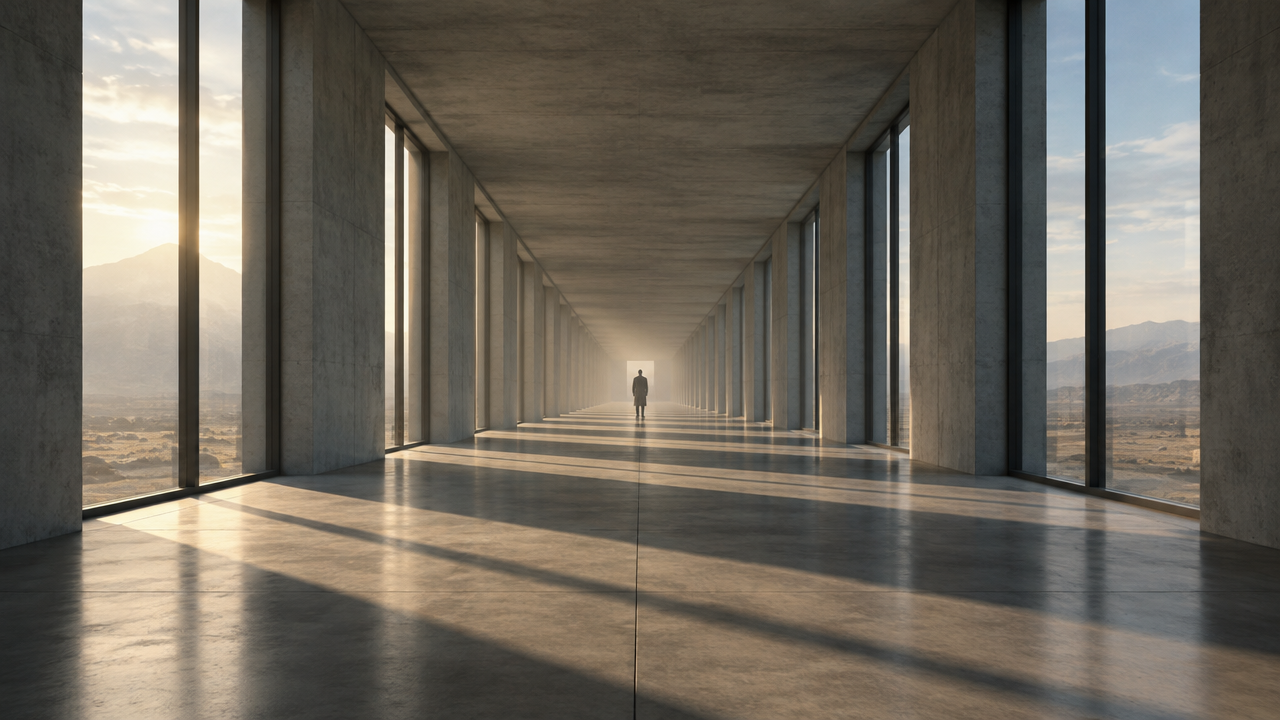
image_urls
Prompt
Static wide-angle shot, minimalist concrete corridor, a human figure standing at the far end, soft directional daylight coming through side windows, low-saturation muted tones, faint thin mist. The camera slowly and steadily pushes forward along the corridor's axis toward the figure, keeping the horizon level, no handheld shake, constant speed, subtle parallax as door frames sweep past the frame edges, cinematic 16:9 composition, ample headroom above, natural contrast and fine film grain.
Copy the full prompt and adapt it for your own generation.
Tags