
Reference-Image-Driven Storyboard Concept Clip: From Text to Picture
Using the reference-image-to-video (R2V) path of happyhorse-1.1, this makes a "from text to picture" storyboard concept demo: first lock the protagonist's appearance with a character reference image, then use a prompt to describe the action, shot size, and lighting within the frame, letting the model complete a shot transition from setting the environment to a character close-up within the same 8-second 16:9 frame. In terms of composition, the input side has only one reference image and one English prompt; the reference image is cited in the prompt as [Image 1] to maintain subject/character consistency, and everything else is generated by the model. The topic corresponds to storyboard previsualization scenarios for short dramas and multi-shot narratives—when script text needs to first become a watchable picture draft, this approach is faster than frame-by-frame drawing, and it can also unify the character's appearance and shot rhythm before formal shooting or CG production. Applicable scenarios: short drama storyboard previsualization, multi-shot concept validation for brand short films, and shot drafts ahead of CG workflows. Note that a single segment is capped at 15 seconds and up to 1080p; long narratives need to be generated in segments and then stitched together.
Style Storyboard · Character Consistency · Short Drama
Model HappyHorse 1.1
Reference inputs
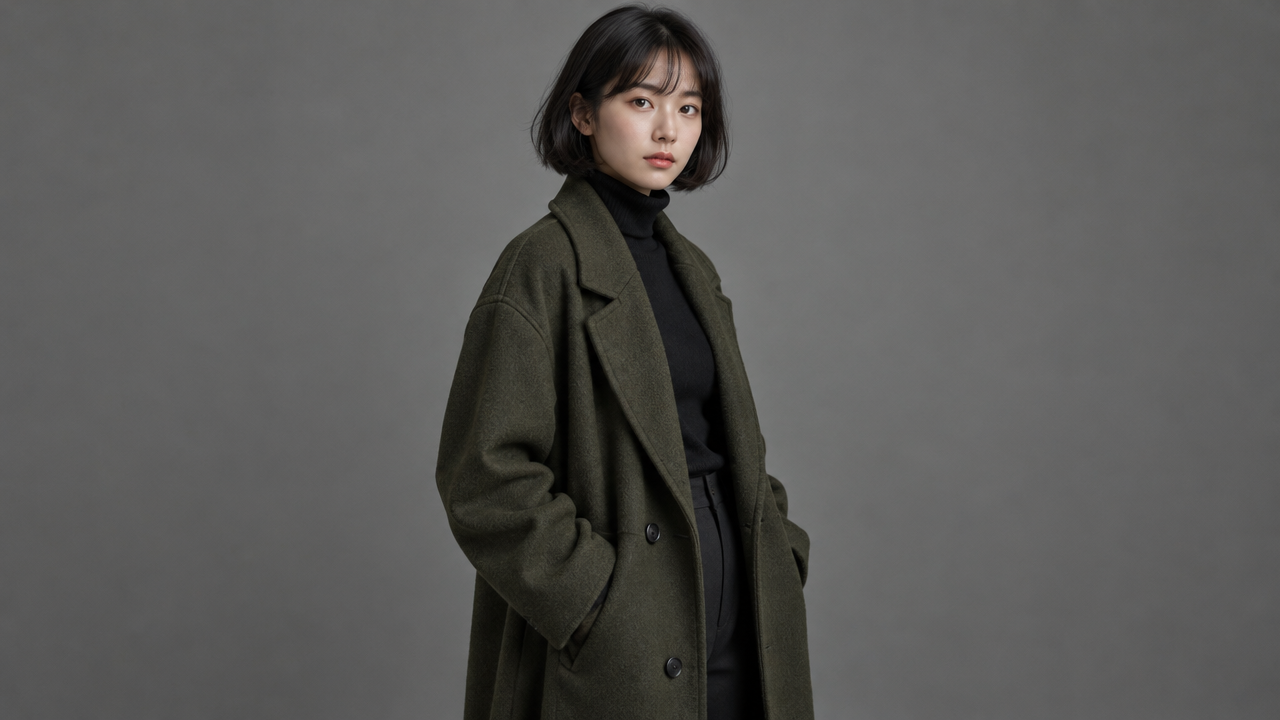
reference_image
Prompt
A reference-image-to-video shot for short drama storyboards. Use [Image 1] as a fixed character reference: always keep the protagonist's face, hairstyle, and clothing exactly consistent. Shot 1 (0-3 seconds): a wide establishing shot of a rainy night alley, neon signs reflected on the wet asphalt road surface, the character standing sideways at the end of the alley. Shot 2 (3-6 seconds): a slow push-in, the camera moving forward along the alley toward the character, shallow depth of field, with neon light bokeh in the background. Shot 3 (6-8 seconds): a medium close-up, the character turns their head to look at the camera, hair swaying with the movement, white breath visible in the cold air. Smooth continuous camera movement, stable subject identity before and after the cut, natural motion blur, cinematic teal-and-orange color grading, 24fps texture, 16:9 widescreen composition.
Copy the full prompt and adapt it for your own generation.
Tags