
Keyframe Camera Movement Visual Notes: Push, Pan, Tilt, and Tracking Diagram
Use FLUX 3 Max's keyframe image-to-video capability to make a set of "camera movement visual notes": with three keyframes arranged along a timeline, demonstrate common camera language—slow push-in, lateral tracking shot, and crane-up pull-back—one after another within the same scene. The three frames share the same subject and the same space (an industrial-feeling studio, a figure seen from behind); only the camera position and composition shift, and the model fills in the continuous motion trajectory between frames, thereby turning a static storyboard into a watchable camera movement demonstration. The key to this approach lies in the frame_index of the keyframes: place the three frames at the beginning, middle, and end of a 24 fps timeline, so that the camera movement rhythm completes three changes within 6 seconds; the prompt only describes how the camera moves and the sense of rhythm, without restating the image content frame by frame, to avoid conflicting with the keyframes. Set resolution to 720p and fix aspect_ratio at 16:9, suitable for horizontal display. Applicable scenarios: storyboard communication, camera movement plan review, video draft previews, and intuitively explaining "push, pan, tilt, and tracking" to non-video roles. The work was genuinely generated by the author's pipeline; the input snapshot is the keyframes and prompt fields below.
Style Camera Movement · Storyboard · Dynamic Research
Model FLUX 3 Max
Reference inputs
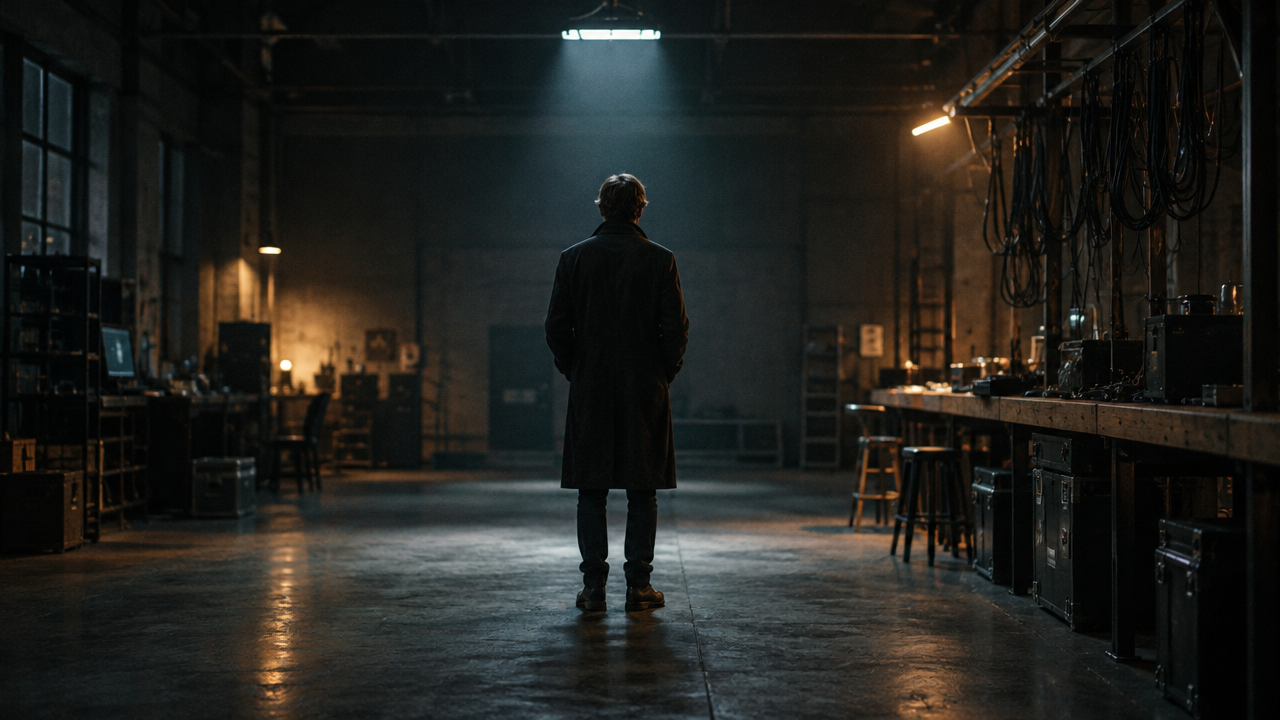
keyframes
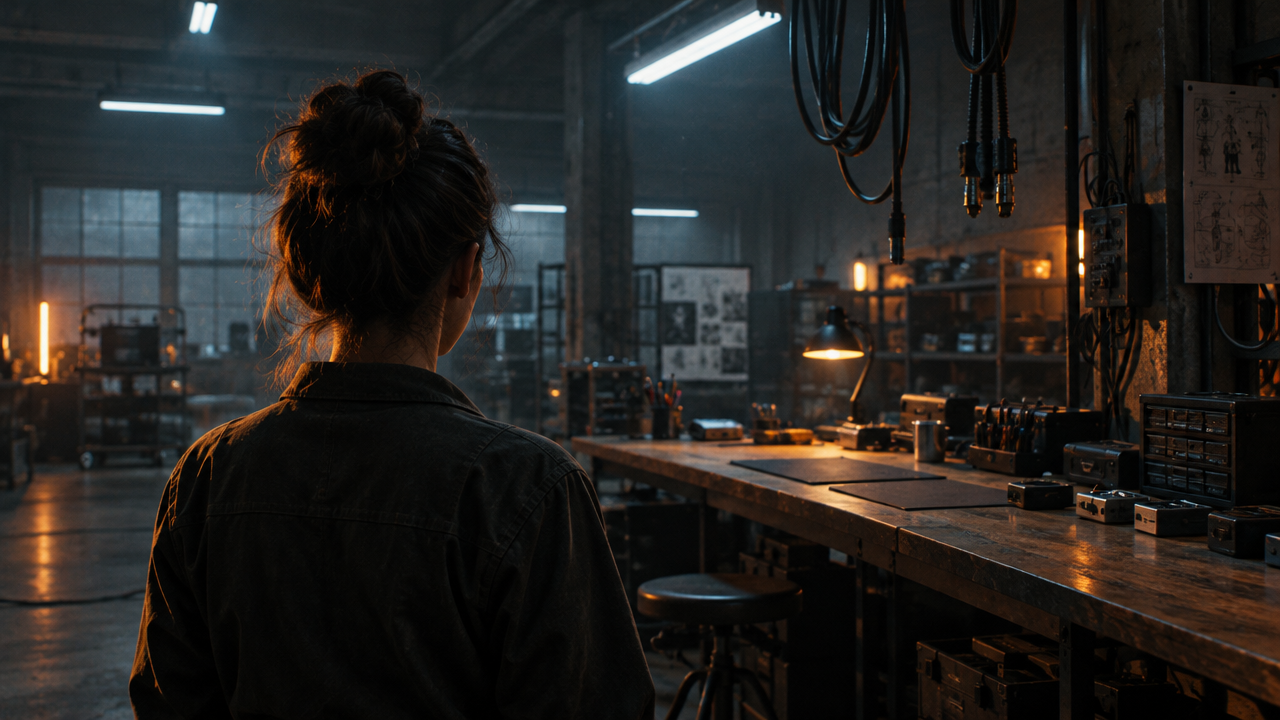
keyframes
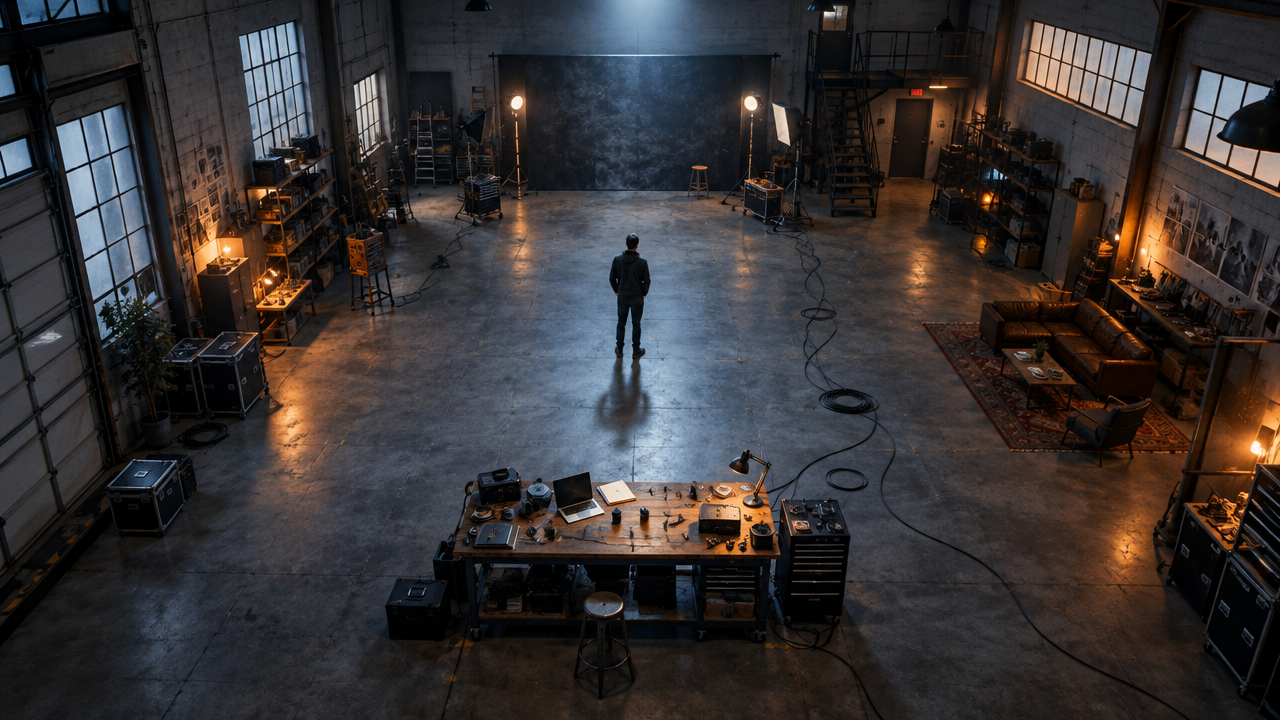
keyframes
Prompt
A continuous single-take camera movement study inside a dim industrial photography studio: a lone figure in a dark coat stands with their back to the camera. It opens on a symmetrical wide shot, then slowly and steadily pushes in to the figure's shoulders; in the medium shot the camera drifts laterally to the right with a smooth tracking motion, revealing a long workbench and hanging cables; finally the camera tilts up and pulls back to form a high-angle wide shot showing the studio's full floor layout. Lighting stays consistent, with only one cool overhead light and a warm rim light, fine film grain, and shallow depth of field that gradually deepens as the camera pulls back. The pacing is steady and unhurried, no cuts, no whip pans, and the subject turns slightly but never faces the camera.
Copy the full prompt and adapt it for your own generation.
Tags