
Kling 2.5 Turbo Image-to-Video Capability Illustrated: Shot Control from First Frame to Last Frame
Using the real input structure of the Kling 2.5 Turbo (Kuaishou · image-to-video) author route as a thread, a first-frame-to-last-frame transition shot is used to demonstrate how the model organizes the four controllable dimensions of "aspect ratio / duration / prompt adherence strength / negative prompt". In terms of composition, the two reference images for the first frame and last frame are generated by the production line and bound to image_urls; the prompt describes only the subject's actions, environmental changes, and camera movement; cfg_scale is used to increase adherence to the descriptive text; negative_prompt excludes unwanted picture elements; aspect_ratio and duration fix the shot specifications. This division of labor—"images define composition, text defines motion"—is suitable for rapid previsualization of commercials and brand short films, conversion from pre-production storyboards to dynamic concept films, and batch production of vertical or horizontal short-form content for social media. Note that this route has a maximum single-clip duration of 10 seconds, outputs at 1080p, and in two-image mode supports only 16:9, 9:16, or 1:1 aspect ratios. Parameter tuning has a noticeable impact on final output quality; it is recommended to first validate the first-frame-to-last-frame connection with a 5-second short clip before extending it. This work was genuinely generated by the author route and demonstrates the field capabilities already declared in the schema.
Style Image-to-Video · Camera Control · Cinematic
Model Kling 2.5
Reference inputs
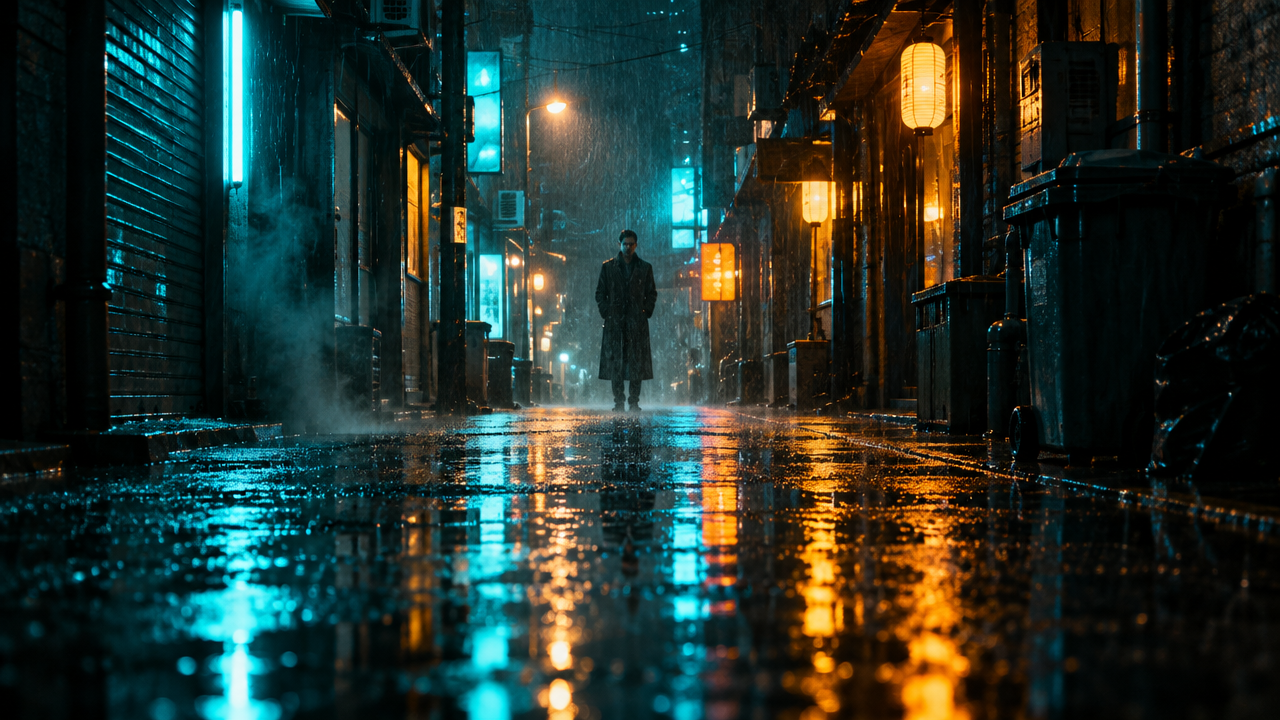
image_urls
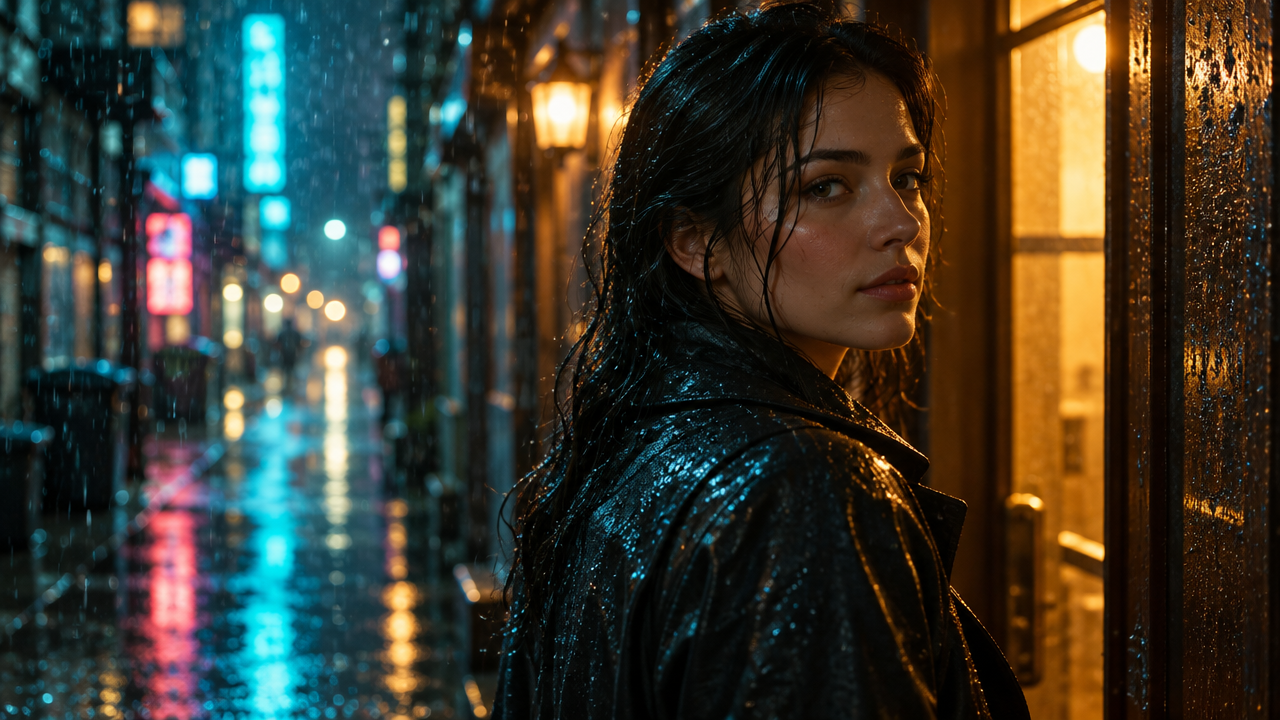
image_urls
Prompt
Image-to-video transition shot. Starting with a 16:9 widescreen frame, the scene is a rain-soaked neon alley at night, with a lone figure in a dark coat standing quietly at the far end of the alley; the camera slowly pushes forward along the wet pavement, and the reflections of signs are stretched long beneath the lens. The figure turns and walks toward the camera with steady, weighty steps, the hem of the coat and the hair swaying with the wind and rain; raindrops hit the ground, splashing visible droplets and ripples. At the medium shot, the camera arcs to the right, keeping the subject centered in frame as background signs sweep past with parallax. It ends on a closer three-quarter composition; as the figure passes the doorway light, they glance back over the shoulder, their expression shifting from tense to calm. Smooth continuous motion, realistic physics, cinematic teal and amber lighting, shallow depth of field, fine film grain, no camera shake artifacts, no distortion in the face or hands.
Copy the full prompt and adapt it for your own generation.
Tags