
Kling 3.0 Omni Reference-to-Video Parameters Illustrated
Using a real reference-to-video task to demonstrate the core parameter structure of Kling 3.0 Omni (Kuaishou·reference-to-video): image_urls takes 1–7 reference images (combined with elements no more than 7; reduced to 4 when reference videos are added); elements is used to register reusable subjects (2–4 images per subject, referenced in the prompt as @name); duration ranges from 3–15 seconds; aspect_ratio supports 16:9/9:16/1:1; resolution supports 720p/1080p/4k; prefer_multi_shots controls whether the model automatically splits shots; once a reference video is passed via video_urls, audio and prefer_multi_shots are constrained to false. The work generates a 16:9, 5-second, 720p final video using one scene reference image plus one @robot subject (two images of the same subject), explaining to developers the mutually exclusive constraints between parameters and their applicable scenarios: subject consistency for brand short films, batch vertical-video production for social media, e-commerce product showcases, and storyboard previews.
Style reference-to-video · Product Demo · Explanation
Model Kling 3.0
Reference inputs
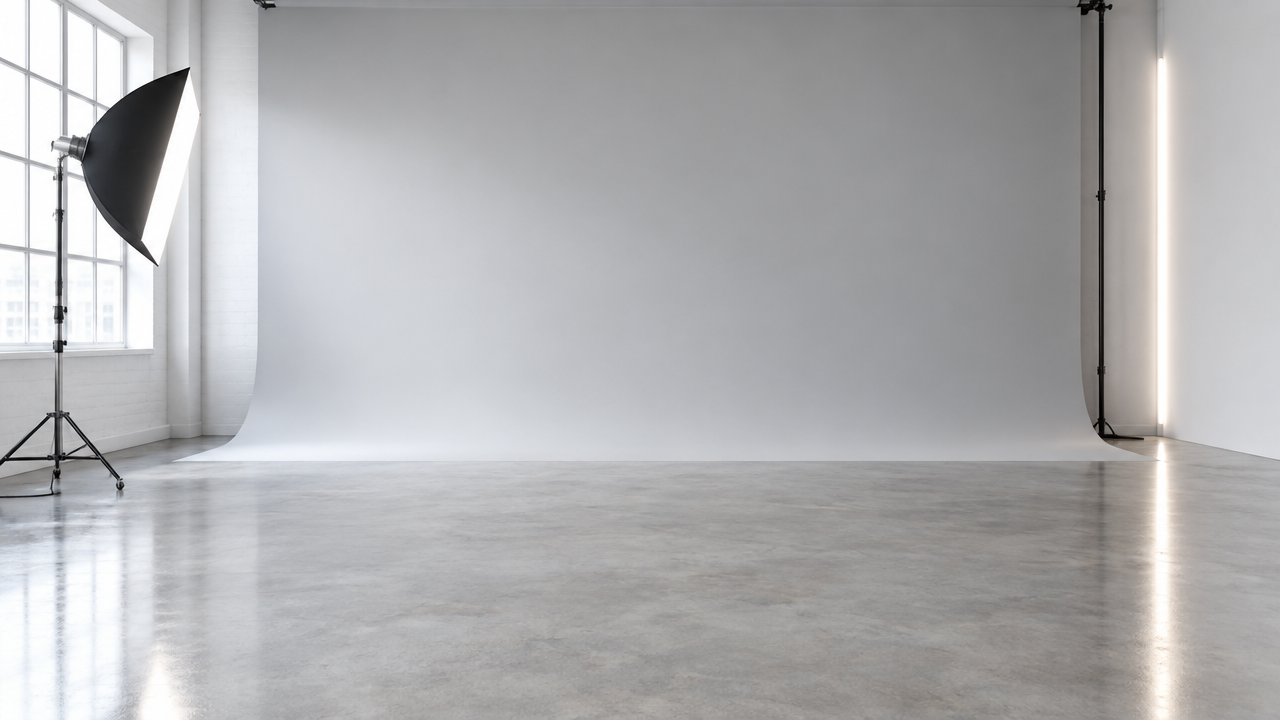
image_urls
Prompt
A compact reference-image-to-video test shot: @robot, a matte white humanoid service robot with orange joint accents, stands in the bright minimalist studio from the reference image; the camera slowly pushes in from a medium shot to a close-up of its dark faceplate while the robot raises one hand and tilts its head slightly; soft diffused key light from the upper left, subtle rim light on the shoulders, shallow depth of field, clean neutral gray background, stable and physically plausible motion, 16:9 composition, cinematic yet restrained commercial advertising style.
Copy the full prompt and adapt it for your own generation.
Tags