
Camera Language Visual Notes: Kling 3.0 Turbo Image-to-Video Example
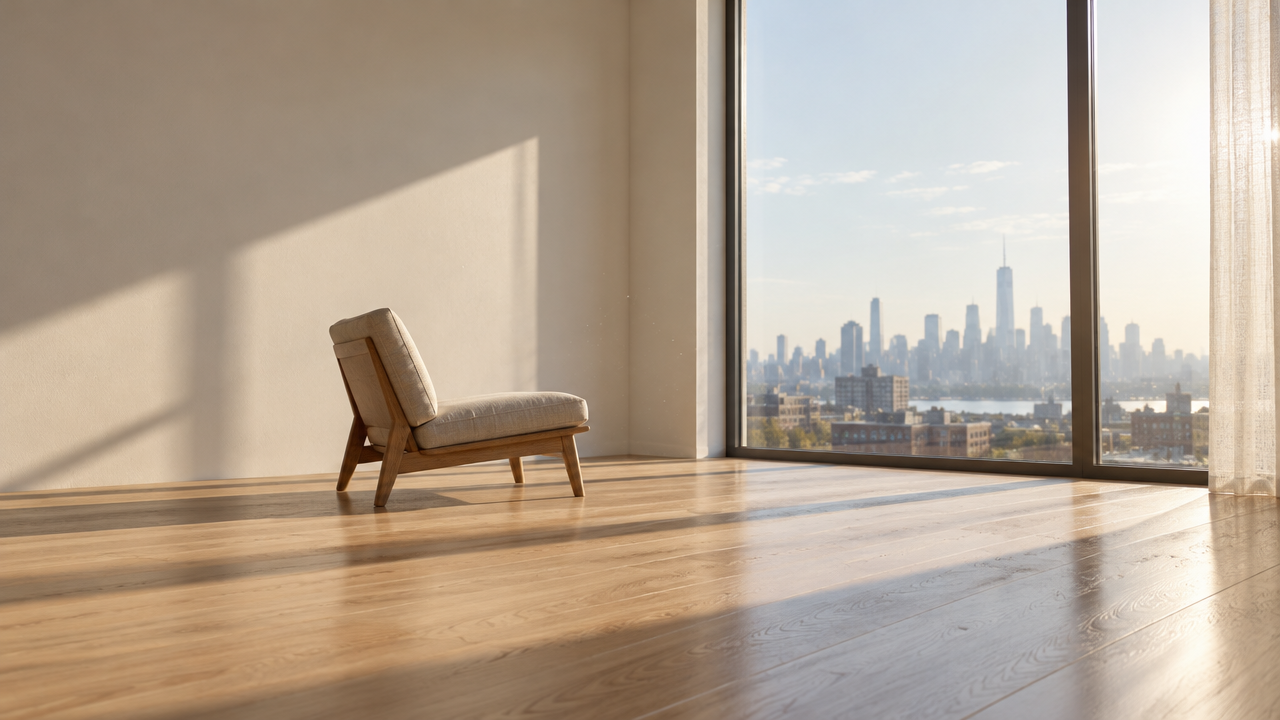
Taking "Camera Language Visual Notes" as the topic, a single unified first frame is used as an anchor to demonstrate the motion performance of an image-to-video model under explicit camera-language descriptions. The first frame is set in a minimalist indoor space with window light, including floor lines, furniture, and scenery outside the window that provide depth cues, making it easy to observe whether push-in, pull-out, lateral tracking, orbit, and other movements are executed correctly. The prompt is written in the order of "subject—composition—camera angle—movement type—lighting atmosphere", with camera movement as the core control variable. It is suitable for developers to understand how Kling 3.0 Turbo responds to camera-direction descriptions in image-to-video mode, and also serves as a quick-preview baseline for storyboard sketches, advertising hooks, and social-media short-video variants. The generated result is positioned as preview-level material and does not pursue cross-shot consistency.
Style Camera Movement · Storyboard · Image-to-Video
Model Kling 3.0 Turbo
Reference inputs
image_urls
Prompt
Image-to-video camera language study. Start from a single minimalist, sun-drenched indoor wide-angle first frame: light-colored wood flooring with clear perspective lines, a low lounge chair, a tall window on the right letting in soft daylight, a plain wall on the left, and a distant city skyline outside the window. The camera at chest height performs a slow, steady lateral tracking move from left to right, keeping the window light in the right third of the frame, with a subtle forward drift to deepen the sense of perspective. 35mm lens look, natural depth of field, gentle stability without handheld shake, warm neutral color grading, soft volumetric light through the window, faint dust motes in the air. 5 seconds, 16:9, preview-level detail, motion clearly readable with no cuts.
Copy the full prompt and adapt it for your own generation.
Tags