
MiniMax H3 Image-to-Video: First-and-Last-Frame Transition Capability Demo
This demo uses the MiniMax H3 image-to-video pipeline to showcase the "first frame + last frame" control method: two still images lock in the starting and ending points of the shot, and the model fills in the motion, lighting, and pacing in between, outputting a short film with synchronized audio. The work uses only fields that actually exist in the schema—prompt describes the on-screen action and camera movement, duration controls clip length, resolution selects the output specification, and prompt_expansion_mode determines the prompt expansion strategy; the two images, first and last frame, are bound to first_frame_image and last_frame_image respectively (the schema specifies that when the first frame is missing, the last frame must be provided). In terms of composition, the first frame is a static close-up of the product, and the last frame is a composition of the same product from another camera angle; the two share color tone and material so the transition stays consistent. The prompt explicitly specifies a "slow orbit + push-in" camera language, so that the intermediate frames present an explicable motion trajectory. It is suitable for multi-shot rough cuts for short videos and ads, animating product images or illustrations into short films, and scenarios that require controlled before-and-after comparison or shot transitions. Research materials show that H3 covers image-to-video and first-and-last-frame control, and processes text and image inputs simultaneously within a unified context; the resolution specifications differ across modes, and the actual API parameters need to be confirmed according to the platform.
Style Image-to-Video · Product Image · Transition
Model MiniMax H3
Reference inputs

last_frame_image
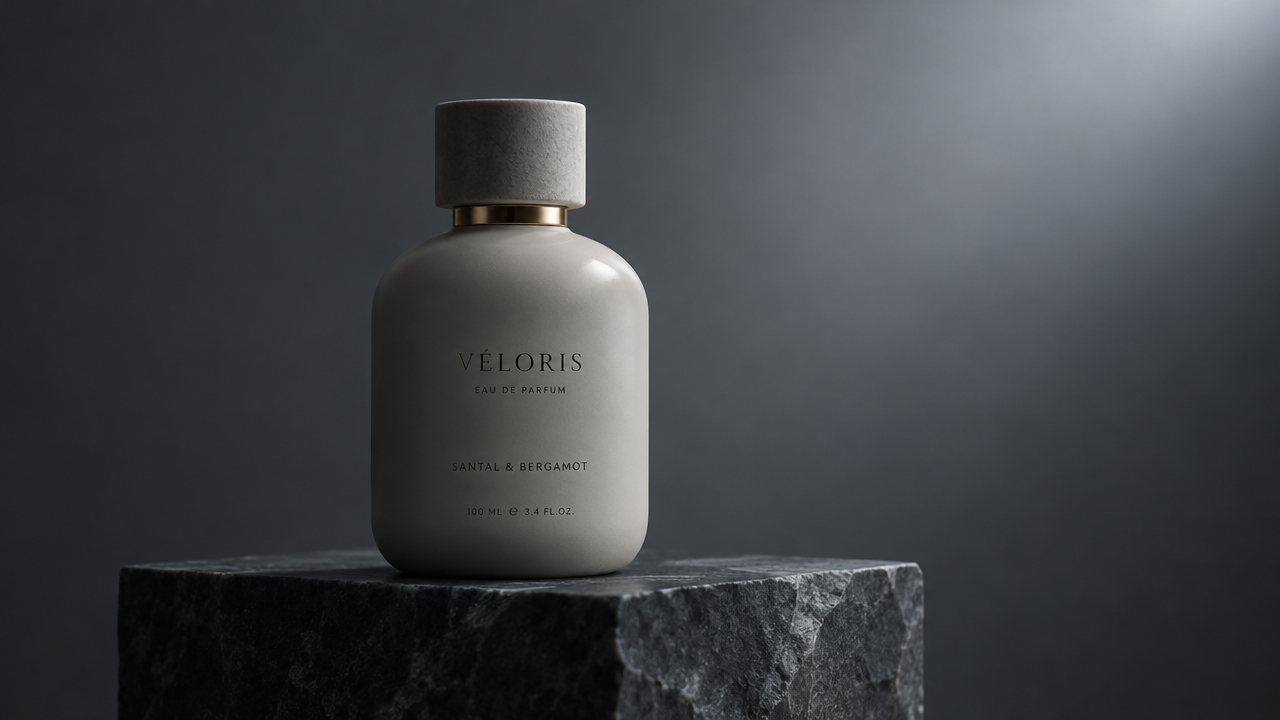
first_frame_image
Prompt
Image-to-video transition. The shot begins from the opening still frame, performing a slow and steady arcing movement around the subject while pushing forward, keeping the product always at the center of the frame, with the material's highlights continuously changing as the light moves. The background remains softly blurred with a slight parallax drift; as the camera settles into the final composition, a delicate warm rim light sweeps across the surface. The motion is smooth and continuous, with no cuts, natural depth of field, cinematic color grading, stable geometry throughout the transition, ambient indoor room tone, and a soft musical crescendo that gradually builds toward the end.
Copy the full prompt and adapt it for your own generation.
Tags