
Seedance 2.0 Cinematic Language Visual Notes: Frame Illustrations of Common Camera Movements
Using Seedance 2.0's first-and-last-frame capability for a "cinematic language visual note": with a single subject's first-frame and last-frame stills, constrain a 5-second, 16:9 short shot so the footage presents a recognizable camera movement result. The first frame establishes the starting point of the spatial relationship with the subject, the last frame gives the composition at the movement's endpoint, and the video segment completes the motion tween between the two ends. Entries like this are suitable for developers to use as camera-movement references: break common camera moves such as "push in, pull out, pan, and truck" into reproducible input snapshots, observe how differences in first/last-frame composition affect the motion trajectory, and thereby understand the role of frame-level constraints in the image-to-video path. Seedance 2.0 supports first-frame and last-frame image input plus native audio synchronization, making it suitable for this kind of short-duration shot illustration and creative preview; a single generation is capped at about 15 seconds, so long shots need to be processed in segments.
Style Camera Movement · film-grammar · Visual Essay
Model Seedance 2.0
Reference inputs
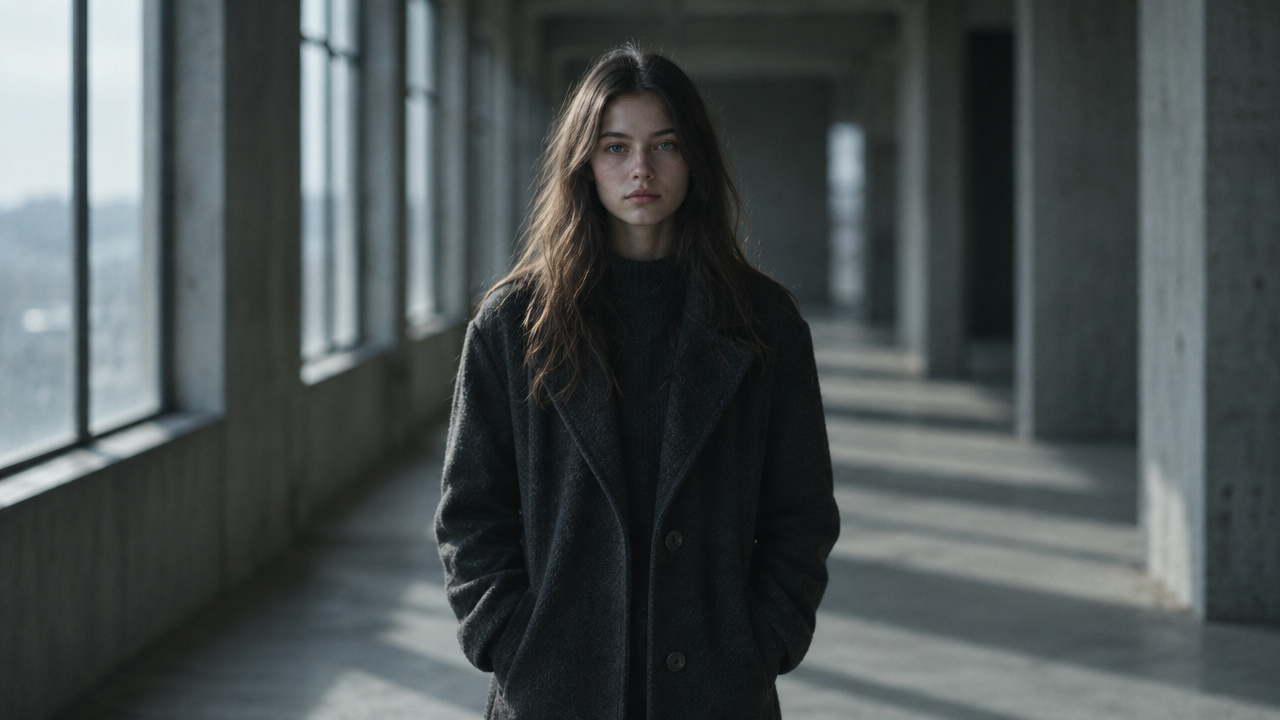
last_frame_url
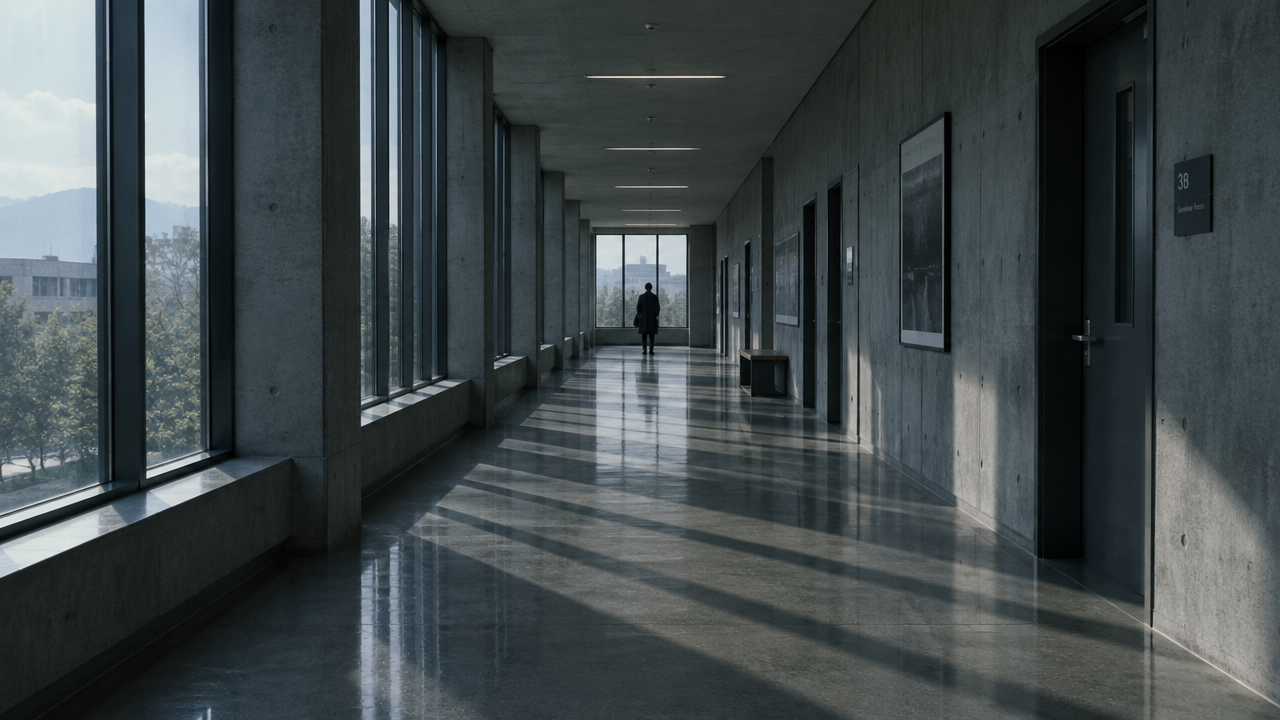
first_frame_url
Prompt
A brief cinematic camera movement study: starting from a wide establishing shot of a quiet concrete corridor, the camera slowly and steadily pushes in toward a solitary figure standing at the far end, finally settling into a tighter medium shot with the subject centered in frame. A smooth, constant-speed dolly shot with no handheld shake; shallow depth of field gradually unfolds as the camera advances; soft side light cast by high windows draws long diagonal shadows across the floor and walls. Low-saturation cool tones, 35mm lens character, subtle film grain, 16:9 widescreen composition, a restrained and observational pace.
Copy the full prompt and adapt it for your own generation.
Tags