
wan3.0 Cinematic Language Visual Notes: Six Common Camera Movements Illustrated
In the form of "Cinematic Language Visual Notes," this uses wan3.0-video to demonstrate shot by shot the actual on-screen effects of six common camera movements: push-in, pull-out, pan, truck, follow, and crane. Each demonstration begins with a static keyframe as the compositional baseline (generated from an image reference), then prompts drive the camera direction, speed, and rhythm, outputting a continuous clip with a synchronized audio track, making it easy for directors, storyboard artists, and developers to build an intuitive mapping from "camera movement terminology → image change." The topic targets developers who need to evaluate a video model's camera control capabilities: they can directly compare how faithfully different camera movement descriptions are reproduced in the generated results, or use this structure as a prompt template, swapping in subjects and scenes to reuse in product shorts, explainer videos, or advertising storyboards. The example uses wan3.0-video's reference-image-to-video path to ensure the composition stays stable and consistent across the multiple demonstrations.
Style Camera Movement · Storyboard · film-grammar
Model Wan 3.0 Video
Reference inputs
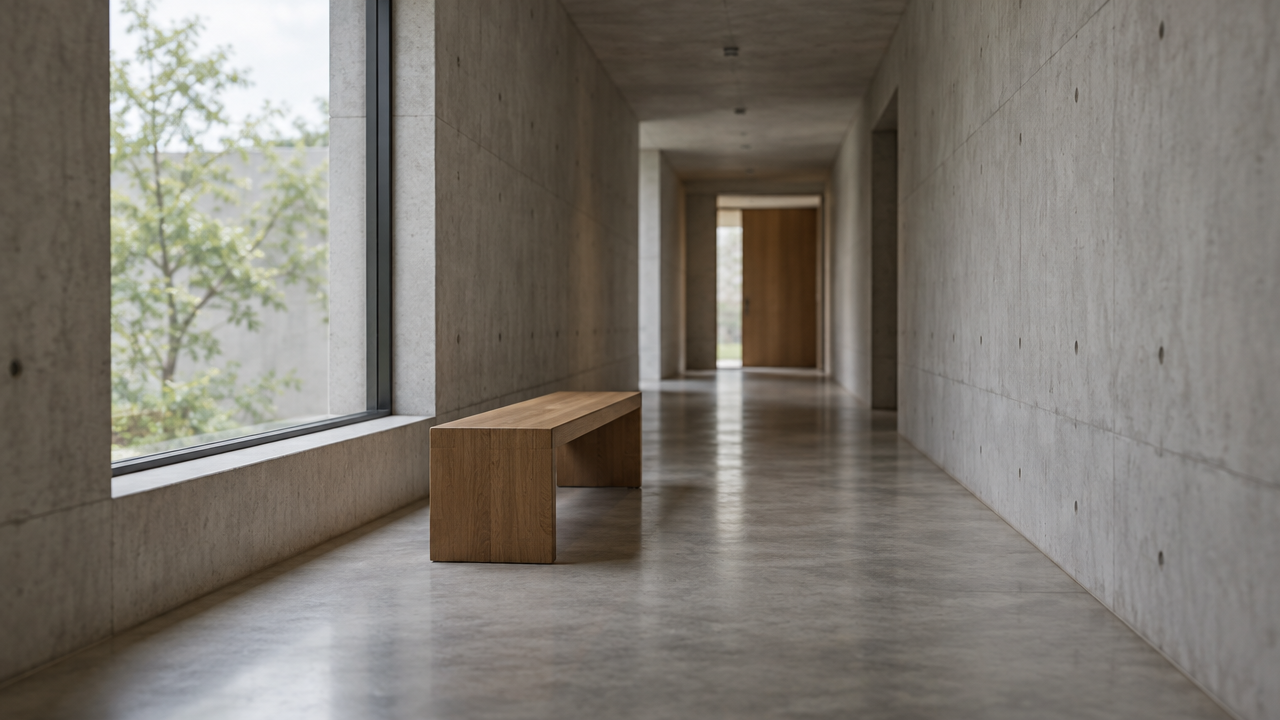
first_frame_url
Prompt
A continuous single-shot instructional shot demonstrating a slow push-in camera movement: the camera glides forward along a straight track toward a minimalist architectural interior, with converging perspective lines emphasizing depth. Fixed 16:9 frame, eye-level, steady gimbal movement, constant speed, no handheld shake. Soft diffused daylight from large side windows, low-key neutral tones, shallow depth of field on a mid-ground subject. Reference image 1 defines the composition of the first frame; maintain subject identity, props, and lighting consistent throughout the movement. Clean, documentary-style visual explainer aesthetic, suitable for a film grammar demonstration.
Copy the full prompt and adapt it for your own generation.
Tags