

Nano Banana 2 Lite
Nano-Banana-2-Lite
A lightweight, efficiency-focused model in the Google image family, built for low latency and low cost, suited to rapid ideation and high-throughput image generation, and a seamless replacement for the first-generation Nano Banana
Try Nano-Banana-2-Lite
Input
Showcases
View all showcasesOutput
image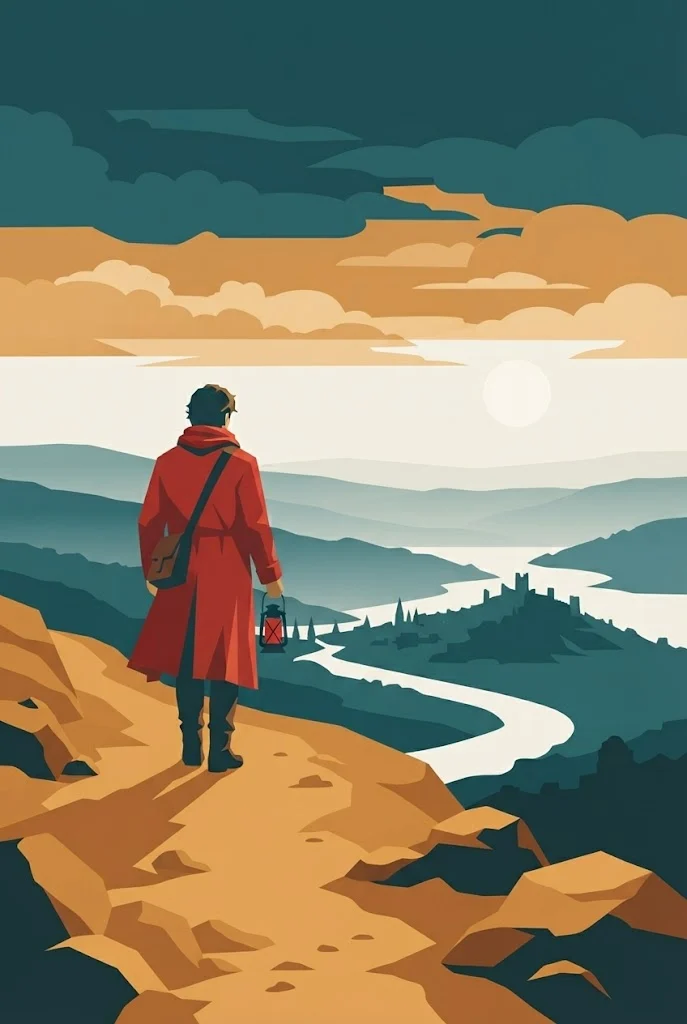
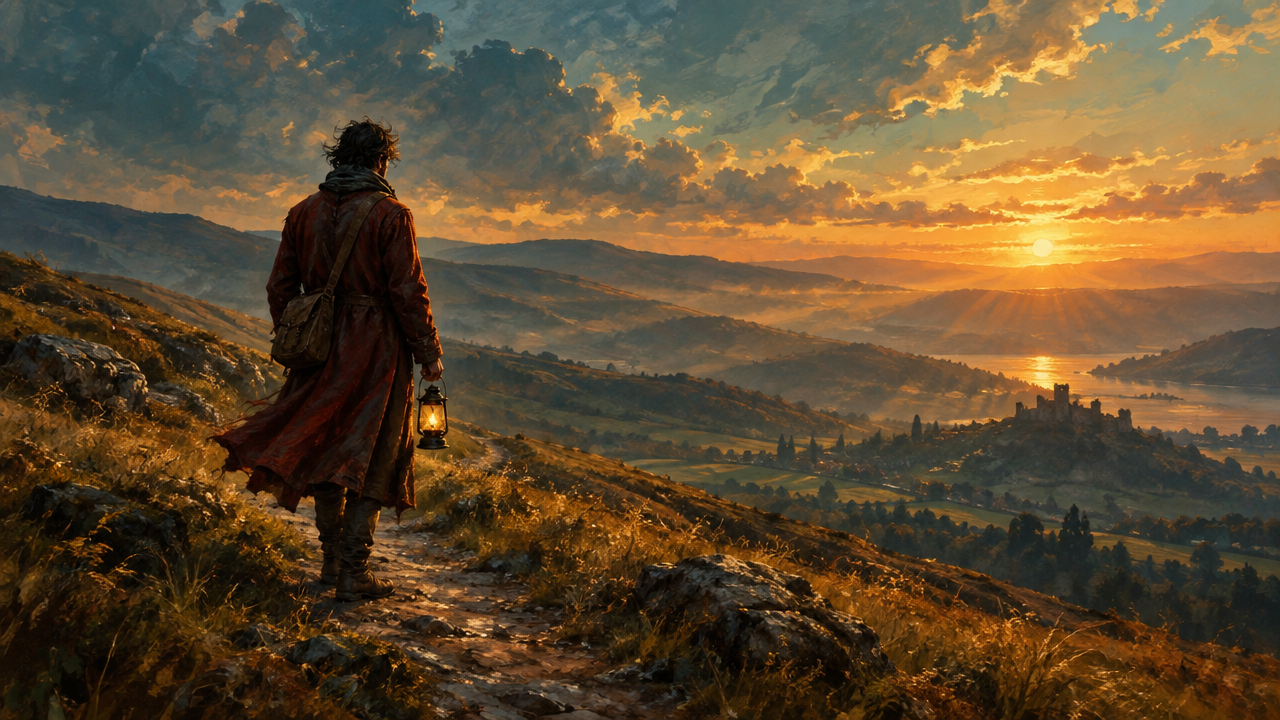
Art Illustration Style Spectrum: The Same Composition from Realistic to Flat
Style Illustration · style-transfer · Concept Art
Reference inputs
image_urls
Prompt
Transform the reference illustration into a flat vector-style editorial illustration while strictly preserving the subject, pose, silhouette, and composition of the source image. Compress volumetric light and shadow into two to three tonal levels per form, replace painterly brushstroke texture with clean solid color blocks, and simplify facial and clothing details into geometric planes. Keep the restrained palette of warm ochre, deep teal green, and off-white, accented with only one accent red. Maintain a clear separation between figure and background, ample negative space, and a calm, contemplative mood. Flat vector poster aesthetic, sharp edges, no gradients, no photographic texture, 16:9 horizontal composition.
Copy the full prompt and adapt it for your own generation.
Tags
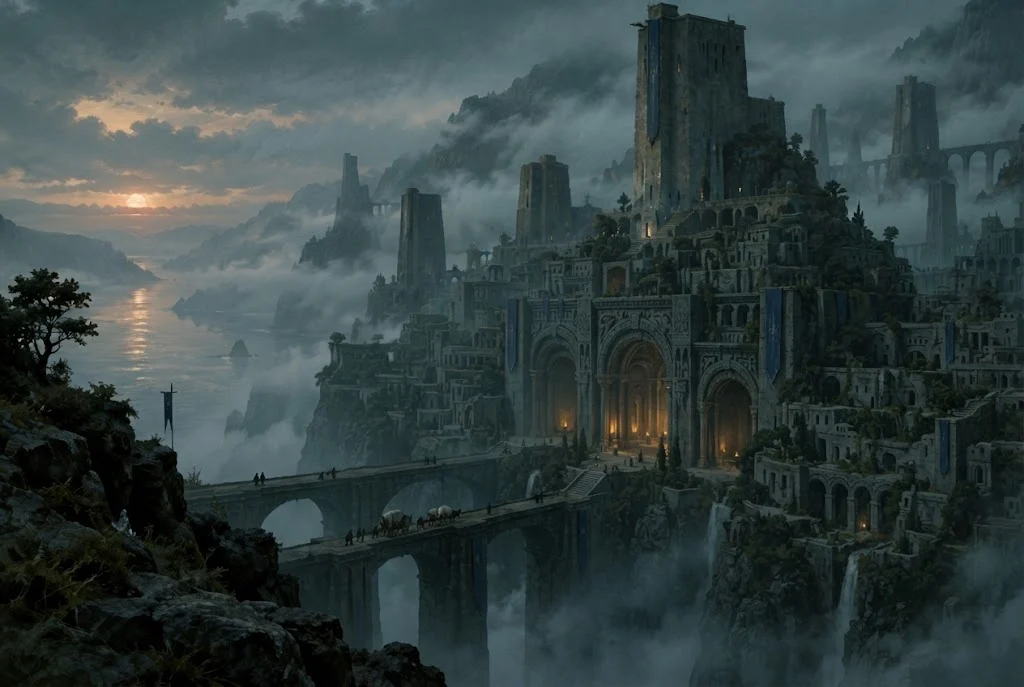
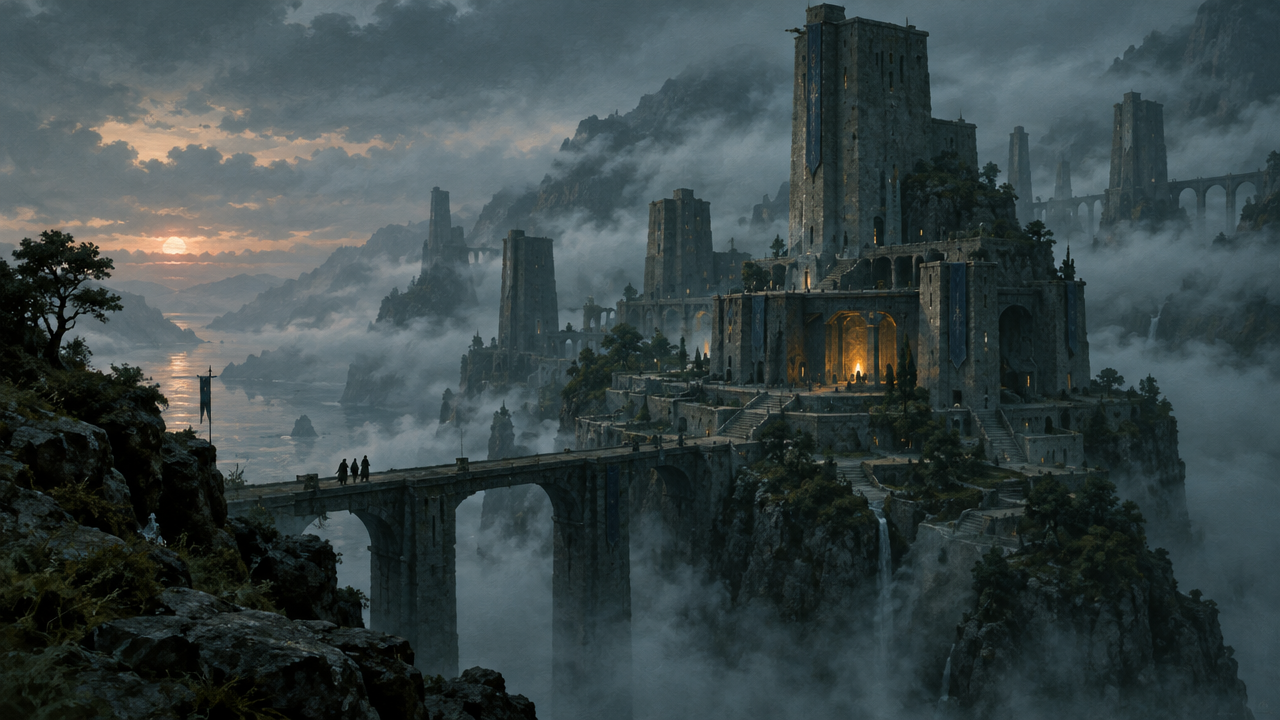
Nano-Banana-2-Lite Scene Concept Art: Worldbuilding Atmosphere Exploration
Style Worldbuilding · Concept Art · Cinematic lighting
Reference inputs
image_urls
Prompt
16:9 widescreen cinematic environment concept art, a vast stepped megastructure city carved into fog-shrouded coastal cliffs, monumental monolithic towers rising through layers of thin mist, the horizon where sea meets sky in the distance, tiny human silhouettes on long bridges to convey scale, overcast dusk, dominated by cool low-saturation blue-gray tones, a single warm amber light source glowing from within the central archway, atmospheric depth, soft volumetric fog causing light and shadow layers to gradually fall off, painterly matte painting finish with fine brushstroke texture, clear compositional hierarchy: foreground is the cliff edge, midground is the city's stepped terraces, background is the sky and horizon, no text, no watermark
Copy the full prompt and adapt it for your own generation.
Tags
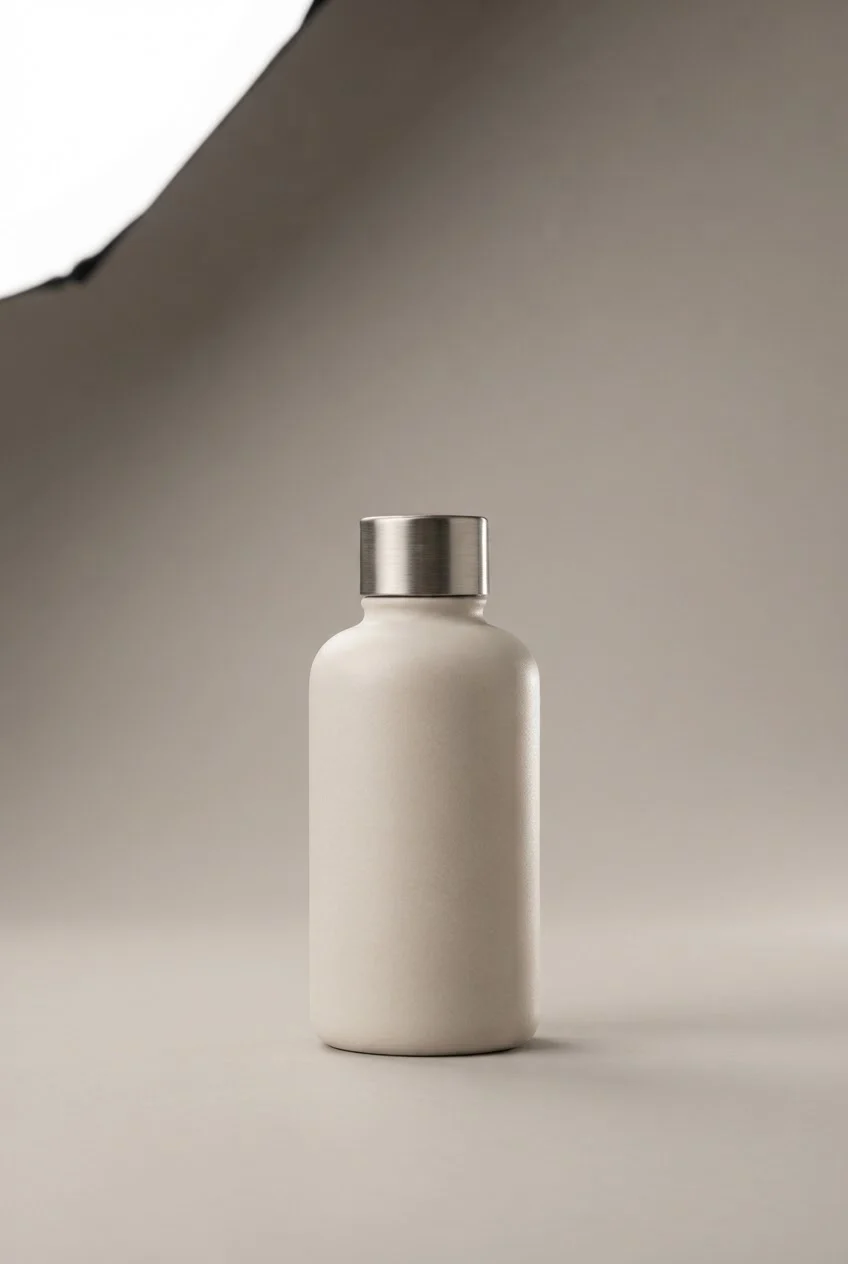
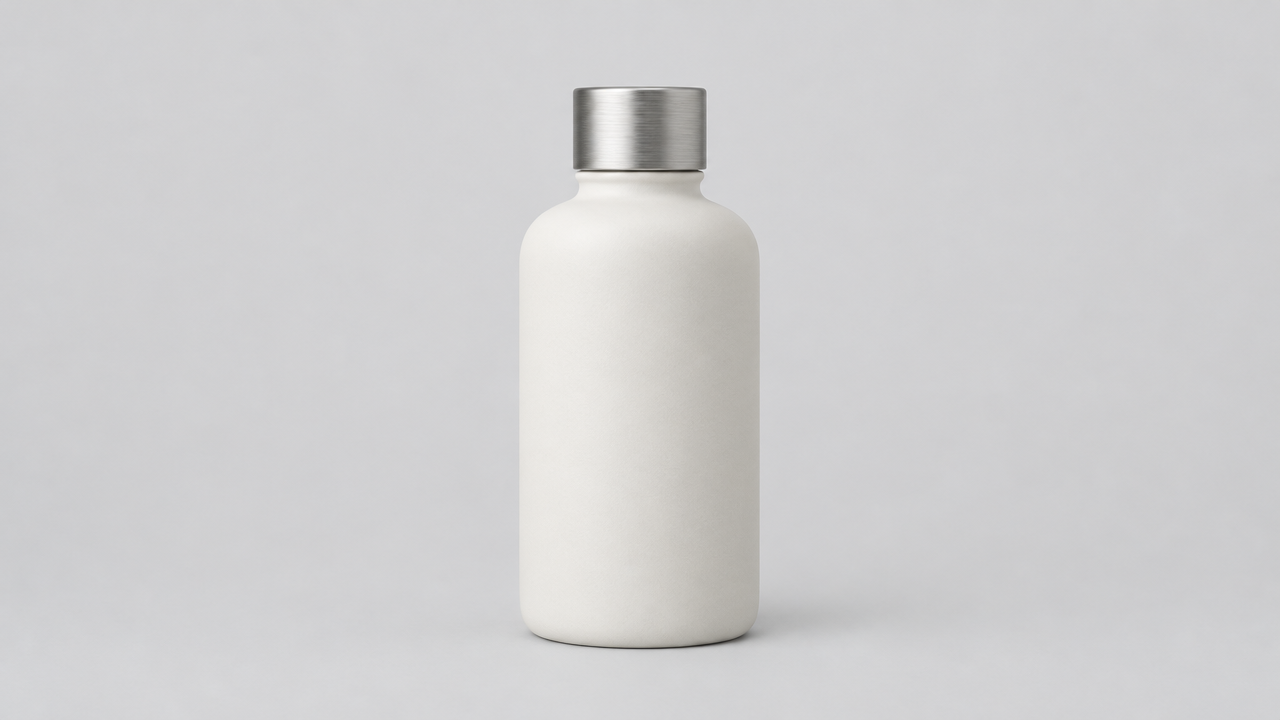
E-commerce-Grade Product Photography: Nano-Banana-2-Lite Texture Rendering
Style Product Image · Studio lighting · e-commerce
Reference inputs
image_urls
Prompt
A studio product photo of a matte ceramic cosmetic bottle with a brushed metal cap, centered on a seamless warm gray background. Three-point softbox lighting: a large key light from the upper left, faint fill light from the right, and a narrow rim light along the edges of the bottle separating it from the background. Shallow depth of field, sharp focus on the label area, soft specular highlight on the cap, and a faint soft shadow at the base. Commercial e-commerce aesthetic, neutral color grading, rich surface texture detail, clean composition, ample negative space above the product, square 1:1 frame, shot with an 85mm lens at f/5.6.
Copy the full prompt and adapt it for your own generation.
Tags
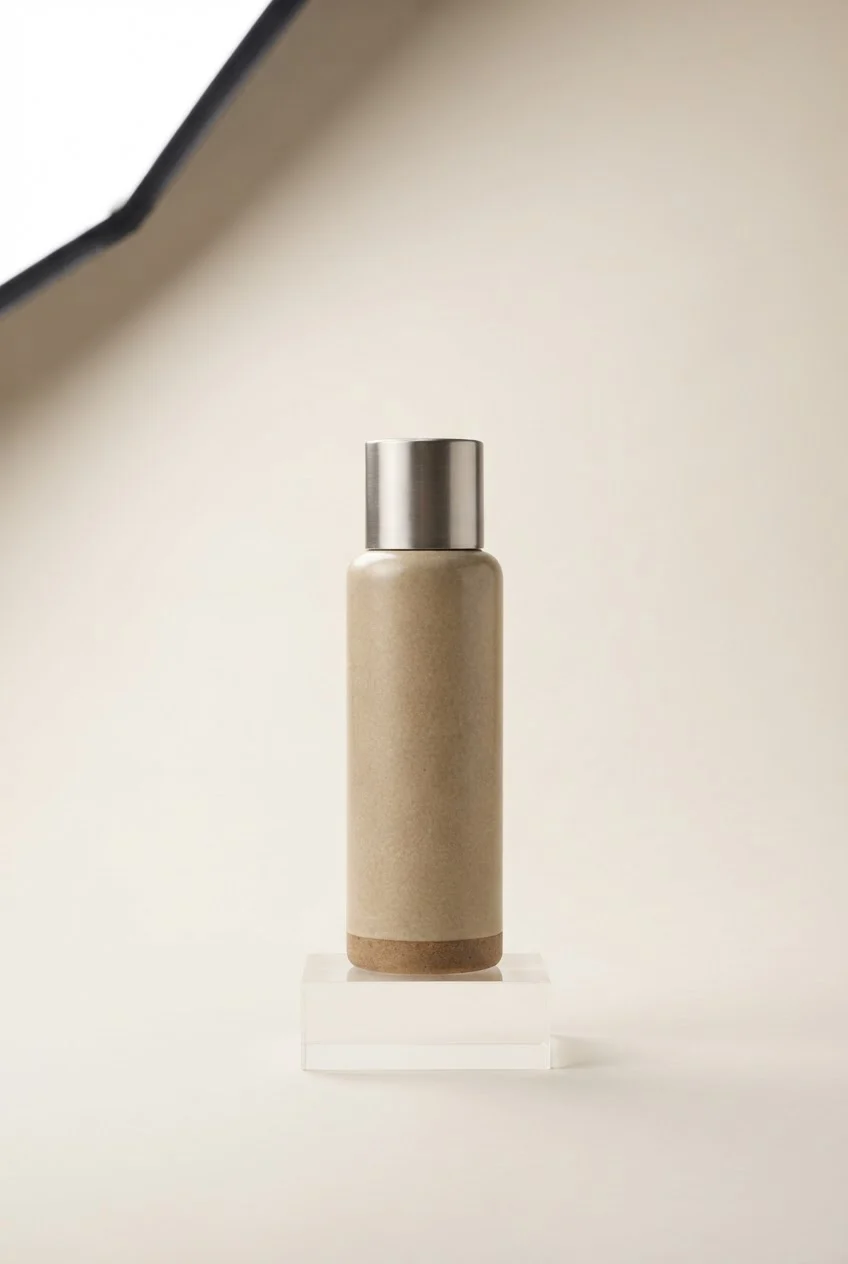
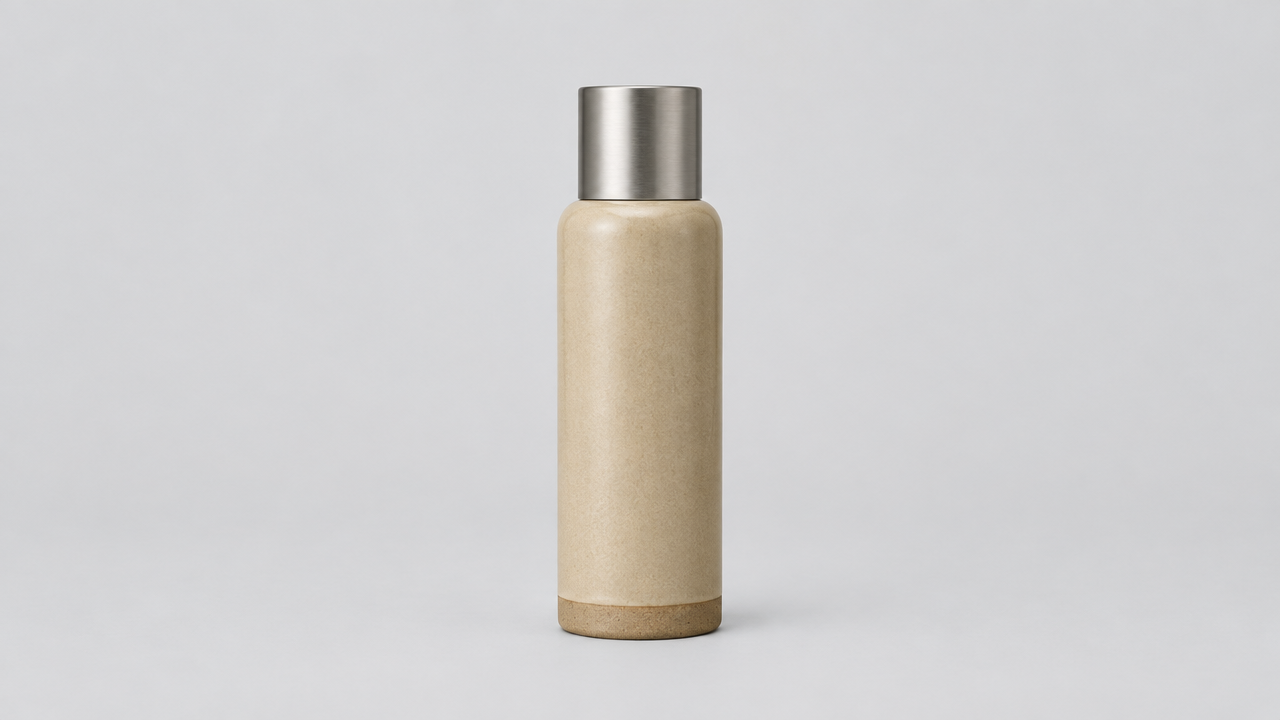
Nano-Banana-2-Lite E-commerce Product Photography with Premium Visual Quality
Style Product Image · ecommerce · Studio lighting
Reference inputs
image_urls
Prompt
Studio e-commerce product photography, 1:1 square composition. A minimalist matte ceramic skincare bottle placed in the center of a warm off-white seamless background, standing on a subtle acrylic display riser, with a soft contact shadow and a faint reflection below. Large softbox key light from the upper left, narrow strip fill light on the right, softly fading into the background with gradual falloff, no harsh specular highlight spots. 85mm macro shot, f/8, extremely sharp label edges, shallow horizon line, ample negative space above the product for typeset copy. Neutral color grading, realistic texture reproduction, clean commercial retouching feel, high detail, no clutter of props, no text overlay.
Copy the full prompt and adapt it for your own generation.
Tags
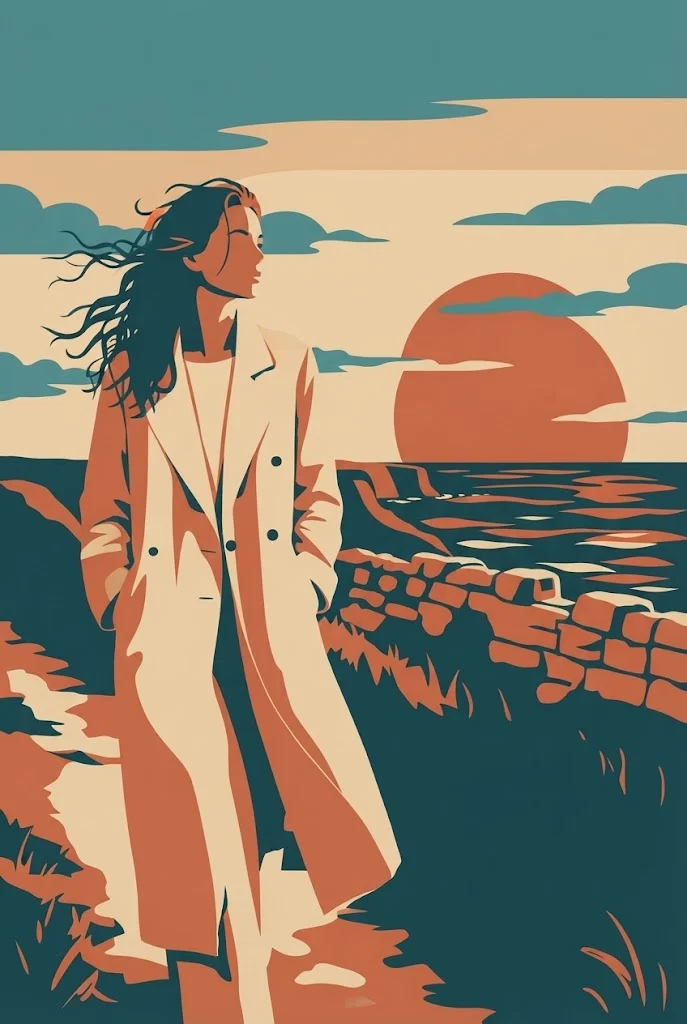
Style Spectrum: The Same Scene from Realism to Flat Illustration
Style Style Research · Illustration · Prompt Engineering
Reference inputs

image_urls
Prompt
A single, consistent scene—a woman in a linen coat standing on a coastal cliff path at golden hour, a low horizon, hair blowing in the wind, the sea and a weathered stone wall in the distance—rendered across a three-part style spectrum from painterly realism to flat vector illustration. Left: a nearly photographic rendering, soft volumetric light, fine fabric texture, natural skin tones, shallow depth of field. Center: a semi-realistic gouache painting, simplified value structure, visible brushstroke edges, desaturated warm palette. Right: a flat editorial illustration, bold silhouettes, two-tone shadow shapes, a limited spot-color palette of only sand, terracotta, and deep teal, no gradients. The composition and subject placement are identical across all three panels, 16:9 frame, large areas of negative space in the sky, and the flat panel has clean, crisp vector-like edges.
Copy the full prompt and adapt it for your own generation.
Tags
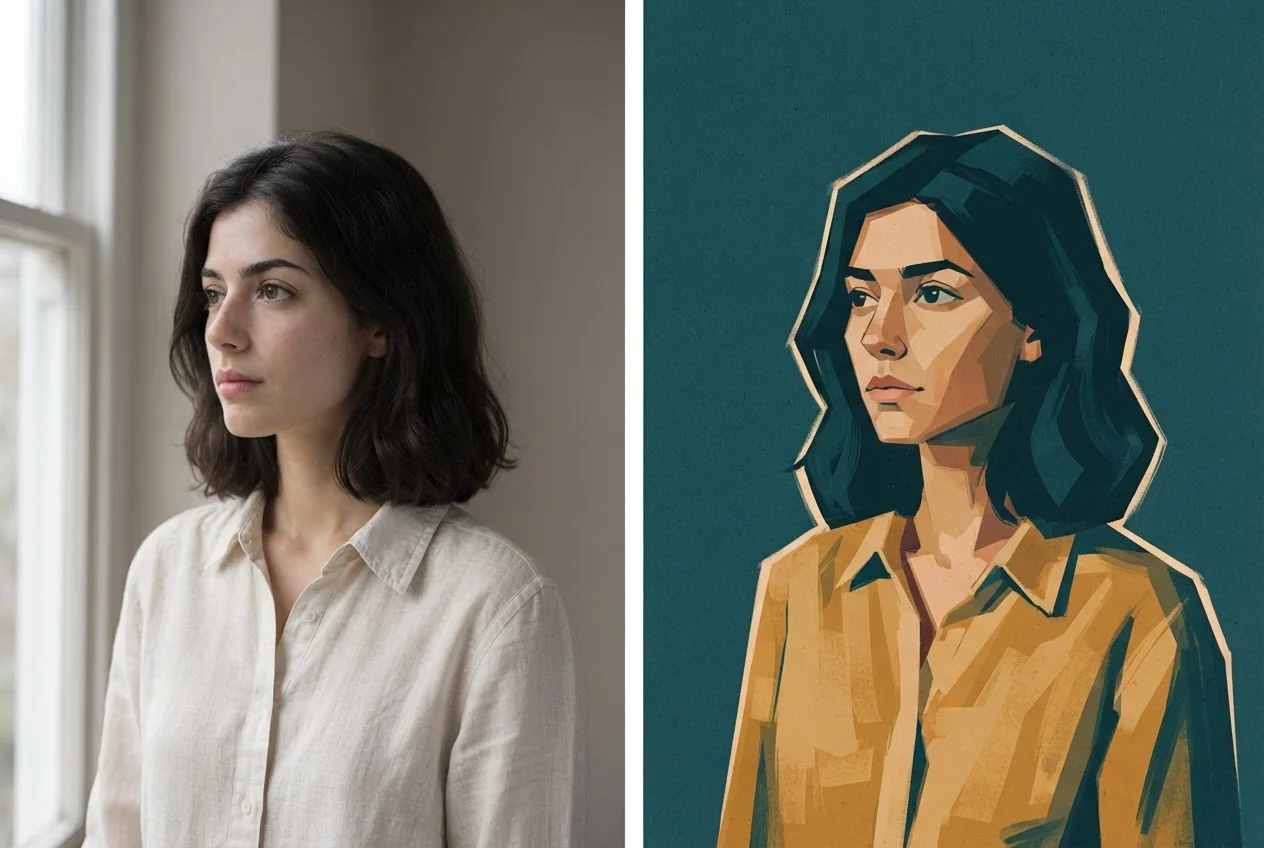
Nano-Banana-2-Lite Portrait Style Comparison: Realistic and Artistic Sample Sets
Style Portrait & Photography · Photorealistic · Editing
Reference inputs
image_urls
Prompt
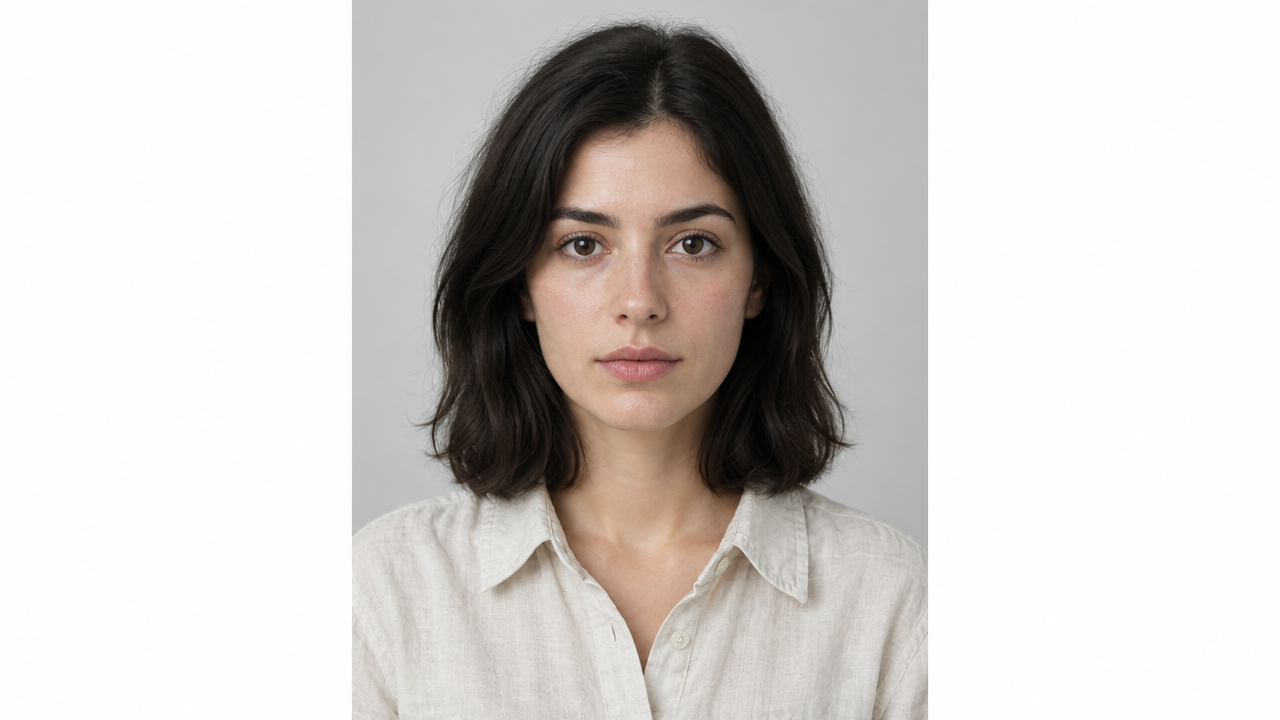
Diptych portrait study. Left concept: a realistic three-quarter-length portrait of a young woman wearing a linen shirt, standing beside a large window, with soft overcast daylight coming from the left side of the camera, gentle light falloff, visible skin texture and fine hair strands, 85mm lens effect, shallow depth of field, neutral warm gray background, low-saturation natural color grading, magazine editorial quality. Right concept: the same woman presented as a stylized painterly illustration, bold flat color blocks in ochre and deep teal, visible brush texture, simplified facial structure, rim light separating her from a textured paper background. 3:4 vertical composition, subject positioned slightly below center, with clean negative space above the head.
Copy the full prompt and adapt it for your own generation.
Tags
Pricing
Nano-Banana-2-Lite per image
| Unit Price | $0.033 |
|---|
Positioning Overview
Nano-Banana-2-Lite is an efficiency-oriented lightweight model in Google's image generation series, supporting both text-to-image generation and image editing based on reference images. It prioritizes response speed and invocation cost, making it suitable for developers who need batch image generation and rapid iteration of first drafts; it maintains usable performance in instruction following and character consistency, and can handle multi-size output from concept sketches to marketing images, with fine-tuning as needed.
Key Highlights
- Unified interface for text-to-image and image editing — The same pipeline can both generate images directly from prompts and accept up to 10 reference images for editing and remixing, reducing workflow switching.
- Efficiency positioning for high-frequency invocation — Within the series, it prioritizes speed and cost, making it suitable for throughput-sensitive tasks such as batch assets and template-based image generation.
- Output coverage across 14 aspect ratios — From 1:1, 16:9 to extreme ratios such as 1:8 and 8:1, all can be specified directly, generating in one pass for multiple platform placements.
- Support for multi-round local iteration — Existing results can be repeatedly modified in local areas, rapidly advancing first drafts to a usable state.
Capability Description
Text-to-image and reference image editing: Passing only a prompt performs text-to-image generation; attaching 1 to 10 reference image URLs switches to editing or remixing. The same interface covers both types of needs, facilitating unified encapsulation in a single pipeline.
Aspect ratio controllable output: aspect_ratio provides 14 values and supports auto automatic selection. Developers can directly lock the ratio according to placement positions, eliminating subsequent cropping and secondary adaptation.
Long prompt input: prompts can be up to 20,000 characters, accommodating fairly complete descriptions of subject, composition, and style, suitable for batch construction of generation requests through template concatenation.
Multi-reference image input: Up to 10 JPEG, PNG, WebP reference images (each no larger than 30MB), usable for editing tasks requiring multi-image context such as style transfer and asset mixing.
Applicable Scenarios
- Creative teams generating batch concept sketches — Batch generate proposal sketches with short prompts as materials for internal review and direction screening, deciding on refinement investment after seeing the direction.
- Developers building high-throughput image generation pipelines — Batch generate product or content images using templated prompts, directly stored for on-demand invocation by business systems.
- Marketing and social media multi-placement images — Specify ratios such as 1:1, 9:16, 16:9 for placement positions, generating finished images in multiple sizes at once, reducing post-processing cropping rework.
- Multi-round local modification of existing images — Upload reference images and describe changes with prompts, adjusting local details round by round to produce deliverable iterative versions.
- Cross-image character-consistent series content — Use the same reference image to maintain character and visual identity, batch producing complete sets of illustrations or storyboards with a consistent series look.
Limitations and Selection Advice
As an efficiency-first lightweight model, first drafts of long sentences or complex layout text rendering may require manual adjustment, with simple and clear text instructions being more reliable; for complex layouts and high-precision details, reserve a rework phase. Currently, specific specifications such as resolution limits, concurrency, and quotas are not available and need to be verified independently before integration. If the task requires higher image quality and complex instruction understanding than throughput, choose a higher-tier model in the same series; if it is only batch sketches and rapid iteration, this model is more suitable.
Frequently asked questions
View all FAQs →-
What is Nano Banana 2 Lite best for?
A fixed-1K entry route for high-volume drafts, fast iteration, and optional multi-reference remixing.
-
Does Nano Banana 2 Lite accept reference images?
Yes, up to 10 optional references. Omit them for text-only generation.
-
Which output settings are supported?
The page exposes 1K and auto, 1:1, 16:9, 9:16, 4:3, 3:4, 8:1, 1:8; use the Playground contract for the final available set.
-
How is Nano Banana 2 Lite billed?
Billing is per successful generated image. Resolution or quality differences, when present, are reflected by the live page price.
Create a generation task
https://api.hiapi.ai/v1/tasks Headers
AuthorizationstringRequiredAccount API key. Required on every request. Example: Bearer YOUR_HIAPI_API_KEY. Get your API key
Content-TypestringOptionalThe request body is always parsed as JSON; when sent, only application/json (optionally with charset) is accepted — any other value returns 415. Example: application/json.
Idempotency-KeystringOptionalIdempotency key, up to 255 bytes. Retries with the same key from the same account create the task only once; replays return the original taskId.
On network timeouts or client retries, the same key creates the task only once — no double charges (scope: the API key's account). Use a business-unique identifier as the key (e.g. "order-42"); replays return the original taskId, and keys expire 24 hours after the first request. See the Unified Async API overview for the full scenario matrix.
Body
modelstringRequiredCurrent fixed value: Nano-Banana-2-Lite
routestringOptionalCurrent fixed value: default
inputobjectRequired
Business parameters for Nano-Banana-2-Lite and route default — see the parameter table below.
promptstringRequiredminLength 1maxLength 20000Text prompt for image generation, in string form, maximum 20000 characters, used to describe the image content to be generated or edited.
image_urlsarrayOptionalminItems 1maxItems 10Optional array of reference image URLs, with elements being image address strings, used for image editing or mixed image generation; up to 10 images, each supporting JPEG/PNG/WebP and no larger than 30MB; if not provided, it falls back to pure text-to-image generation.
Array [ string ]
aspect_ratiostringRequiredDefault: "auto"The aspect ratio of the output image, in string form; the default auto lets the model choose on its own.
auto1:12:33:23:44:34:55:4Show all (7)
9:1616:921:91:44:11:88:1callbackobjectOptional
Terminal-state notification config. When omitted, no callback is delivered — poll the task yourself. See the callback note below.
Provide callback.url when creating a task and HiAPI POSTs to your service once the task reaches a terminal state — no polling needed. The callback payload mirrors the task detail structure; signature verification, delivery retries and idempotency are documented on the Unified Async API overview page.
urlstringRequiredRequired when callback is present. A POST is sent to this URL once the task reaches a terminal state; must be a valid http(s) URL.
whenstringOptionalDefault: "final"Only final is supported today — notified on both success and fail.
finalstoragestringOptionalDefault: "temp"Artifact storage tier: temp (default, retained about 7 days) or persistent (long-term, billed by size). Insufficient balance or exceeding the storage cap silently downgrades to temp; the effective tier is shown in the task detail response.
temppersistentRequest examples
# Submit an async task; returns a taskId immediately (no waiting for generation)
curl -X POST "https://api.hiapi.ai/v1/tasks" \
  -H "Authorization: Bearer $HIAPI_API_KEY" \
  -H "Content-Type: application/json" \
  -d '{
  "model": "Nano-Banana-2-Lite",
  "input": {
    "prompt": "…",
    "aspect_ratio": "auto"
  }
}'
const res = await fetch("https://api.hiapi.ai/v1/tasks", {
method: "POST",
headers: {
Authorization: `Bearer ${process.env.HIAPI_API_KEY}`,
"Content-Type": "application/json",
},
body: JSON.stringify({
model: "Nano-Banana-2-Lite",
input: {
"prompt": "…",
"aspect_ratio": "auto"
}
}),
});
const task = await res.json();
// { code: 200, message: "success", data: { taskId } }import os, requests
res = requests.post(
"https://api.hiapi.ai/v1/tasks",
headers={"Authorization": f"Bearer {os.environ['HIAPI_API_KEY']}"},
json={
"model": "Nano-Banana-2-Lite",
"input": {
"prompt": "…",
"aspect_ratio": "auto"
}
},
)
print(res.json()) # { code, message, data: { taskId } }200 OK
{
  "code": 200,
  "message": "success",
  "data": {
    "taskId": "tk-hiapi-01HZTQ8BX2N3GM3YFK4Z9D7VQR"
  }
}
400 Bad Request
{
  "code": 400,
  "message": "invalid request",
  "data": null,
  "error_code": "INVALID_REQUEST"
}
Get task detail
https://api.hiapi.ai/v1/tasks/:id Response fields
taskIdstringRequiredTask ID, always prefixed with tk-hiapi-.
modelstringRequiredResolved full model name. Tasks submitted with the route parameter return base@route (e.g. gpt-image-2/text-to-image@ext); otherwise identical to the name passed at creation.
routestringOptionalPresent only when the task was submitted with an explicit route parameter; echoes the submitted value.
statusstringRequiredTask status.
queued Queued, not started yet.
handling Being processed.
archiving Processing finished, artifacts being prepared.
success Terminal: completed, artifacts available (output returned).
fail Terminal: failed (error returned).
After submission, check status: success and fail are terminal, everything else is non-terminal. Poll every 1–3 seconds until terminal. On success, download artifacts from output[].url and transfer them before expireAt; pass storage: "persistent" at creation time when long-term retention is needed.
creatednumberRequiredTask creation time (Unix seconds).
completednumberRequiredUnix seconds when the task reached a terminal state; fixed to 0 while not terminal.
outputarrayOptional
Present only when status == success. Artifact list — always an array; a single task may return multiple types at once (e.g. video + first_frame).
Array [ object ]
Array items
urlstringRequiredArtifact URL, directly downloadable.
typestringRequiredCurrent possible values: video, image, audio, first_frame, last_frame, thumbnail; more may be added later.
expireAtnumberRequiredUnix seconds until which the artifact remains accessible; download or transfer before it expires.
errorobjectOptional
Present only when status == fail.
codestringRequiredBusiness error code.
messagestringRequiredError description.
Response examples
Success
{
  "code": 200,
  "message": "success",
  "data": {
    "taskId": "tk-hiapi-01HZTQ8BX2N3GM3YFK4Z9D7VQR",
    "model": "happyhorse-1-0",
    "status": "success",
    "created": 1777282033,
    "completed": 1777282099,
    "output": [
      {
        "url": "https://cdn.hiapi.ai/tasks/.../video.mp4",
        "type": "video",
        "expireAt": 1777886899
      }
    ]
  }
}
Processing (non-terminal)
{
  "code": 200,
  "message": "success",
  "data": {
    "taskId": "tk-hiapi-...",
    "model": "happyhorse-1-0",
    "status": "archiving",
    "created": 1777282033,
    "completed": 0
  }
}
Failed
{
  "code": 200,
  "message": "success",
  "data": {
    "taskId": "tk-hiapi-...",
    "model": "happyhorse-1-0",
    "status": "fail",
    "created": 1777282033,
    "completed": 1777282099,
    "error": {
      "code": "TASK_FAILED",
      "message": "task failed"
    }
  }
}Articles
View all articles →Related Models
View all models →Same Type
-
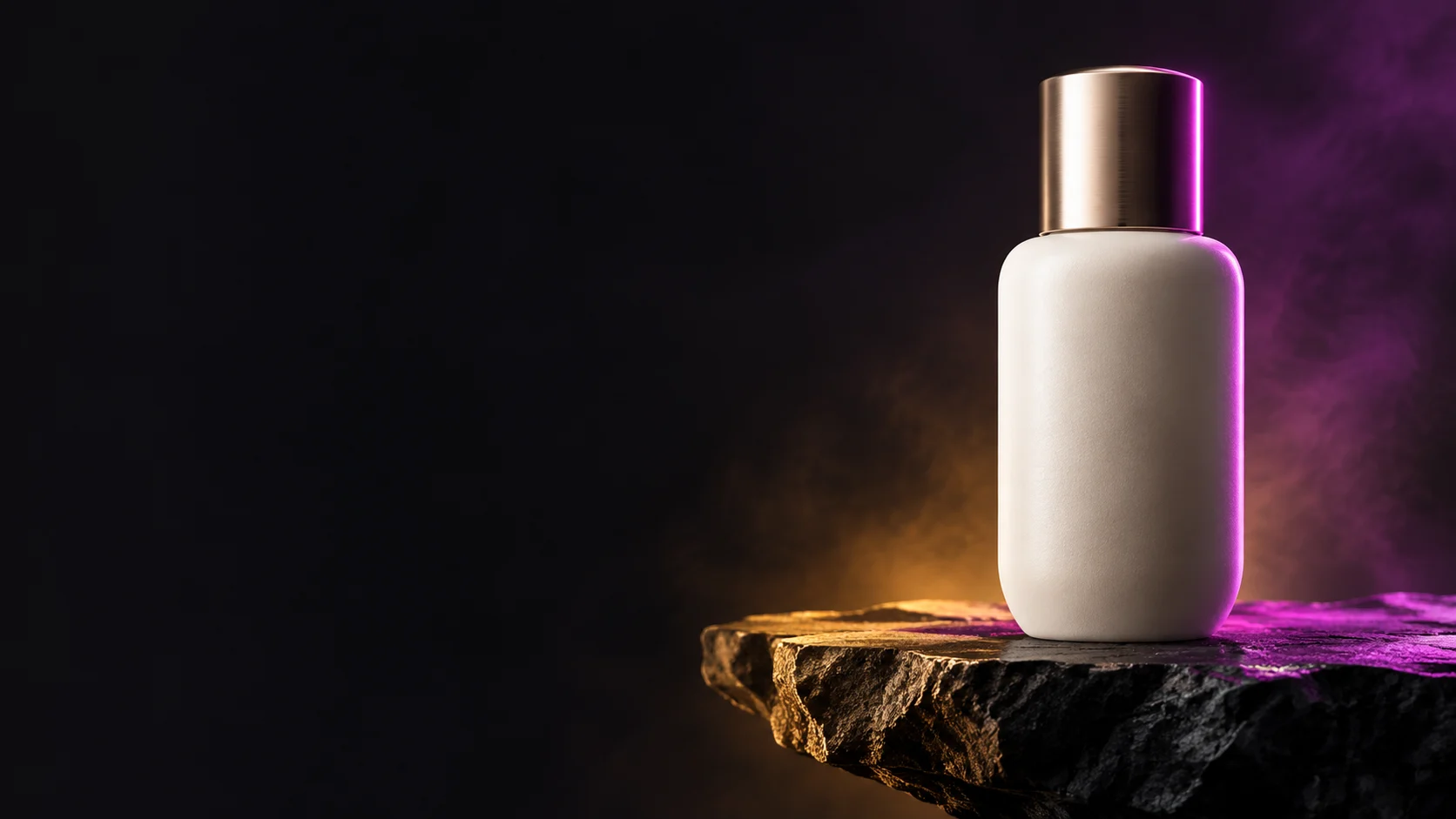 BRIA Product Shot Bria $0.058 /image
-
 Nano Banana 2 Google $0.036 /image
-
 Seedream 4.5 ByteDance $0.045 /image
-
 851 Labs Background Remover 851 Labs $0.002 /image
-
 Recraft Creative Upscale Recraft $0.357 /image
-
 Z-Image Alibaba $0.008 /image
-
 Qwen Image 2.1 Alibaba $0.020 /image
-
 Muse Image 1.0 Meta $0.015 per task
-
 BRIA Eraser Bria $0.058 /image
-
 Google Virtual Try-On Google $0.107 /image
-
 Ideogram V4.5 Ideogram $0.011 /image
-
 FLUX.1 Kontext Max Black Forest Labs $0.071 /image
Same Provider
-
 Veo 3.1 Lite Google $0.060 /second
-
 Imagen 4 Google $0.030 /image
-
 Gemini 3.1 Flash TTS Google --
-
 Nano Banana Google $0.021 /image
-
 Veo 3.1 Google $0.290 /second
-
 Nano Banana Pro Google $0.057 /image
-
 Lyria 3 Pro Google $0.140 /song
-
 Gemini Omni Google --
- Google Virtual Try-On Google $0.107 /image
-
 Gemini Omni 1.1 Flash Google $0.450 /video
-
 Veo 3.1 Fast Google $0.170 /second
-
 Lyria 3.5 Google $0.090 /song