
flux-3-video Storyboard Concept: A Text-Driven Three-Frame Storyboard
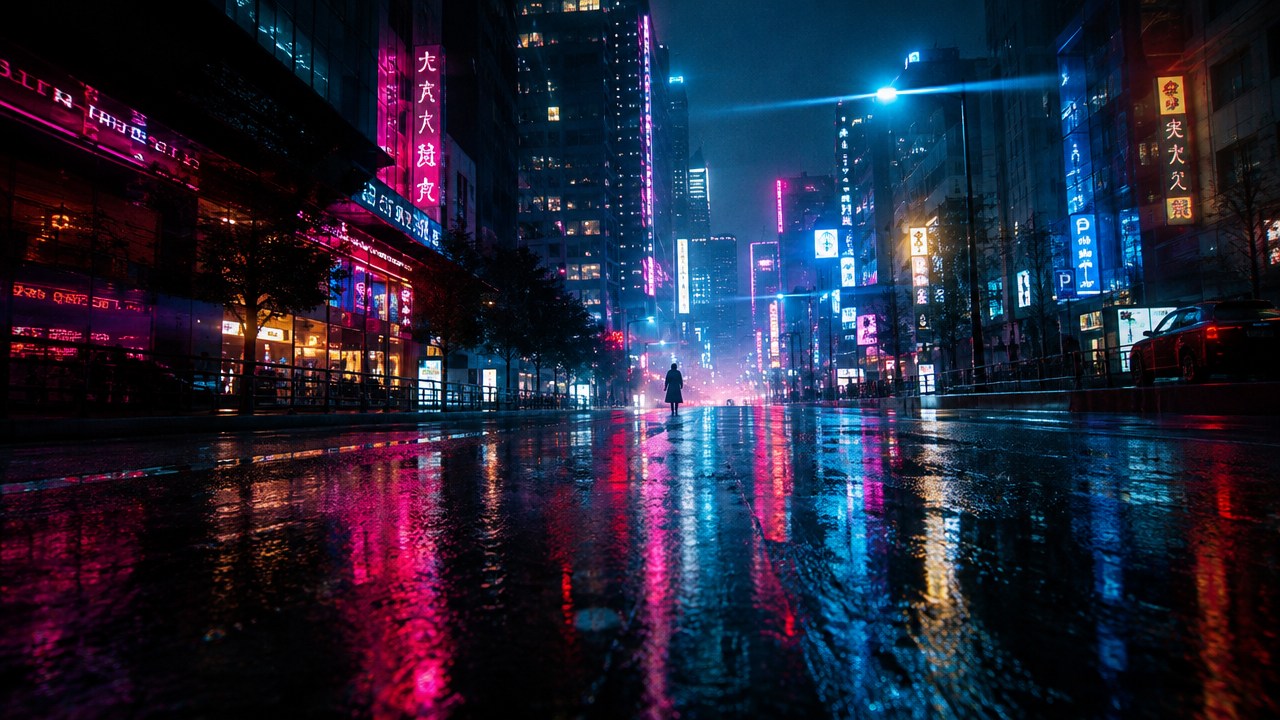
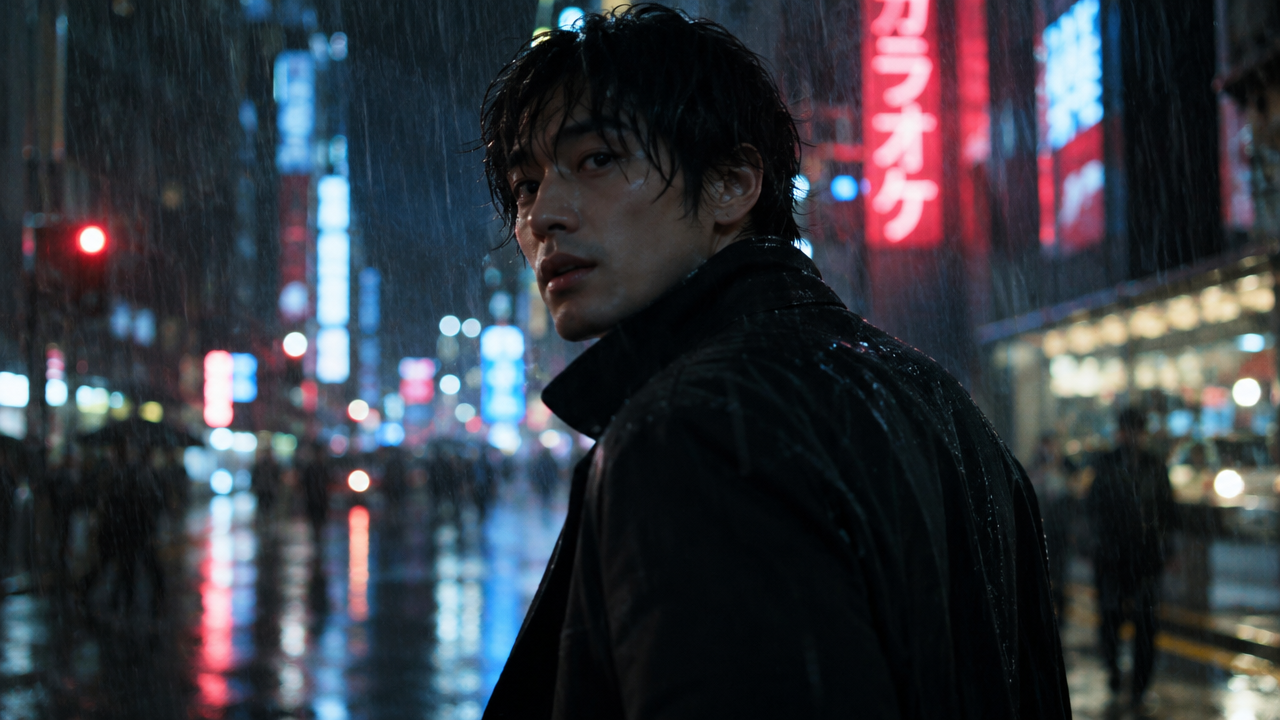
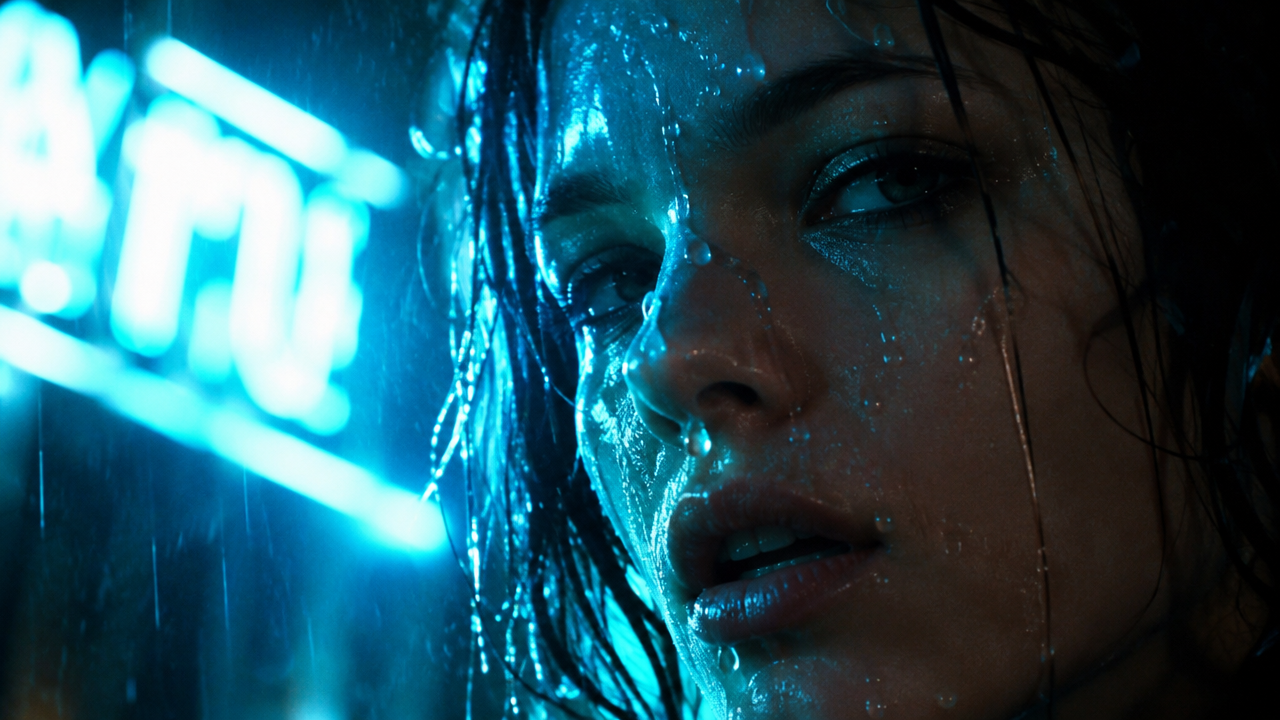
Demonstrates the storyboard input capability of FLUX 3 Video: three key frames split from the same textual scene are pinned into the generation sequence at even time points, and the model then fills in motion, camera work, and synchronized audio between the frames. In the schema, when the images array contains 3–10 images, it is treated as an evenly spaced storyboard. This piece uses only three images, enough to observe a structured "setup—development—resolution" narrative rather than letting the model improvise freely. Composition: The three reference images correspond respectively to an establishing shot of a rainy-night street, an action beat of a figure turning their head, and a closing close-up under neon lights; the base fixes the prompt, a duration of 8 seconds, 1080p, native audio enabled, and a 16:9 aspect ratio. Audio and video are generated jointly within a single model, so footsteps, rain sounds, and on-screen action are naturally aligned, with no need for a post-production dubbing workflow. Use cases: early previsualization for advertising and film/TV, quickly turning existing storyboard sketches into dynamic shots, and reusing the same set of compositions in bulk for multilingual versions. Note that a single clip is capped at about 20 seconds; longer narratives need to be generated in segments and stitched together by continuation with start_video.
Style Storyboard · Cinematic · Text-to-Video
Model FLUX 3 Video
Reference inputs
images
images
images
Prompt
A cinematic three-part storyboard sequence, a city street steeped in rainy-night neon. Shot 1: an extreme wide establishing shot, a low camera position close to the wet asphalt, reflections of magenta and cyan signs stretching toward the horizon, slowly pushing forward. Shot 2: a medium shot, a figure in a dark coat stops and turns their head toward the camera, rain streaks across the shallow depth of field, a subtle handheld drift. Shot 3: a close-up under flickering neon, water droplets sliding down the subject's face, rim light outlining them from behind, the camera slowly pushing in. The three segments maintain consistent lens character and color grading style, anamorphic widescreen flares, high-contrast highlights, deep shadows, natural motion blur, synchronized ambient rain sound and a distant city hum.
Copy the full prompt and adapt it for your own generation.
Tags