Storyboard proof of concept: push-in transition between first and last frames
Run a storyboard proof of concept using the image-to-video single-image/dual-image input approach: first use a static concept frame as the video's first frame, optionally provide a last frame, and let the model fill in continuous camera movement and environmental changes between the two. This example uses single-image input, paired with fairly explicit descriptions of camera movement and subject action, to observe how Kling 2.5 Turbo performs on prompt adherence and motion smoothness, and to adjust controllability via cfg_scale and negative_prompt. In terms of composition, base carries non-media parameters such as duration, aspect_ratio, cfg_scale, and negative_prompt; the first-frame image is generated separately by the pipeline and then bound to image_urls[0]. Since only a single image is used, the frame size does not trigger the dual-image index restriction and stays at 16:9. Applicable scenarios: early-stage film and television storyboards, motion previews for advertising storyboards, and concept opening titles for vertical or horizontal short videos on social media. The duration of a single clip is limited by the model's positioning (about 5–10 seconds), making it better suited as shot-level material rather than a complete long-form film.
Style Storyboard · Image-to-Video · Cinematic
Model Kling 2.5
Reference inputs
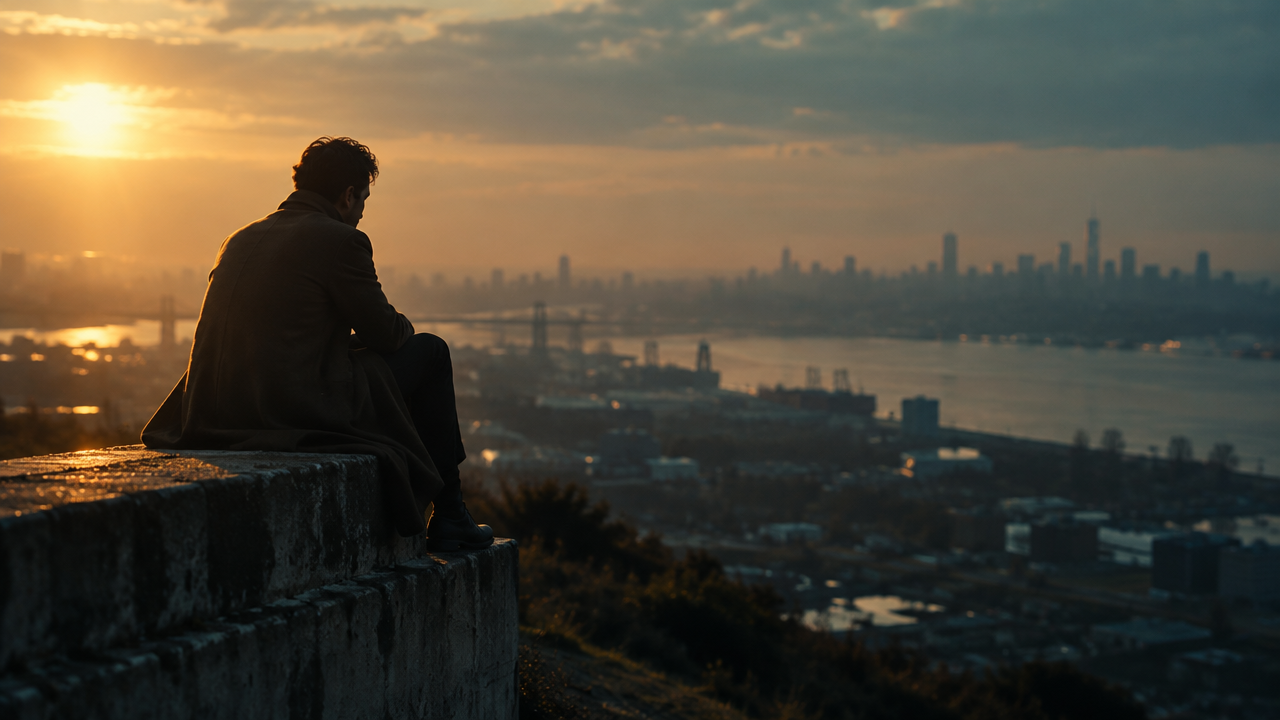
image_urls
Prompt
Cinematic image-to-video shot: the camera slowly and steadily pushes in from a wide-angle composition to a medium close-up, foreground elements produce subtle parallax, and the background gradually transitions to a shallow depth of field. Soft directional key light from the upper left, fabric and hair sway naturally and slightly, and ambient dust floats in the light beams. Maintain color grading consistent with the character's identity and the first frame. Motion is smooth and physically plausible, with no cuts and no flicker.
Copy the full prompt and adapt it for your own generation.
Tags