
From Text to Frame: A Scene Storyboard Demo of First-and-Last-Frame Interpolation
Using ltx-2.5-fast's image-to-video capability, this demo shows how a textual concept can be turned into continuous imagery: first, two concept images establish the opening and closing states of the shot; then the model interpolates between them to generate motion and transition, while also producing native audio synchronized with the visuals. The first frame sets composition and lighting, the last frame sets subject position and emotional resolution, and the prompt describes camera movement, action pacing, and sonic atmosphere—thereby converting a written storyboard draft into a reviewable short shot. This entry uses the author's real inputs on the author's own route: two reference frames + text prompt + duration/resolution/aspect ratio/audio toggle. 6 seconds, 720p, and 16:9 are a common speed-first combination, suitable for rapid prototype validation and comparing storyboard directions; if a longer transition is needed, the duration can be increased to over 10 seconds, but per the model's facts, segments longer than 10 seconds are limited to 720p or 1080p at 24/25 FPS on the hosted invocation path. Applicable scenarios: shot previsualization for ads and short films, rapid test shoots of vertical social media assets, and the upstream stage of a production line for batch-generating stylized short shots. This model family is positioned as a speed-optimized version, suited to high-frequency, multi-iteration workflows; for final cuts with higher demands on image quality and longer duration, you can switch to higher-spec settings once the storyboard is finalized.
Style Storyboard · Camera Movement · Cinematic
Model LTX 2.5 Fast
Reference inputs
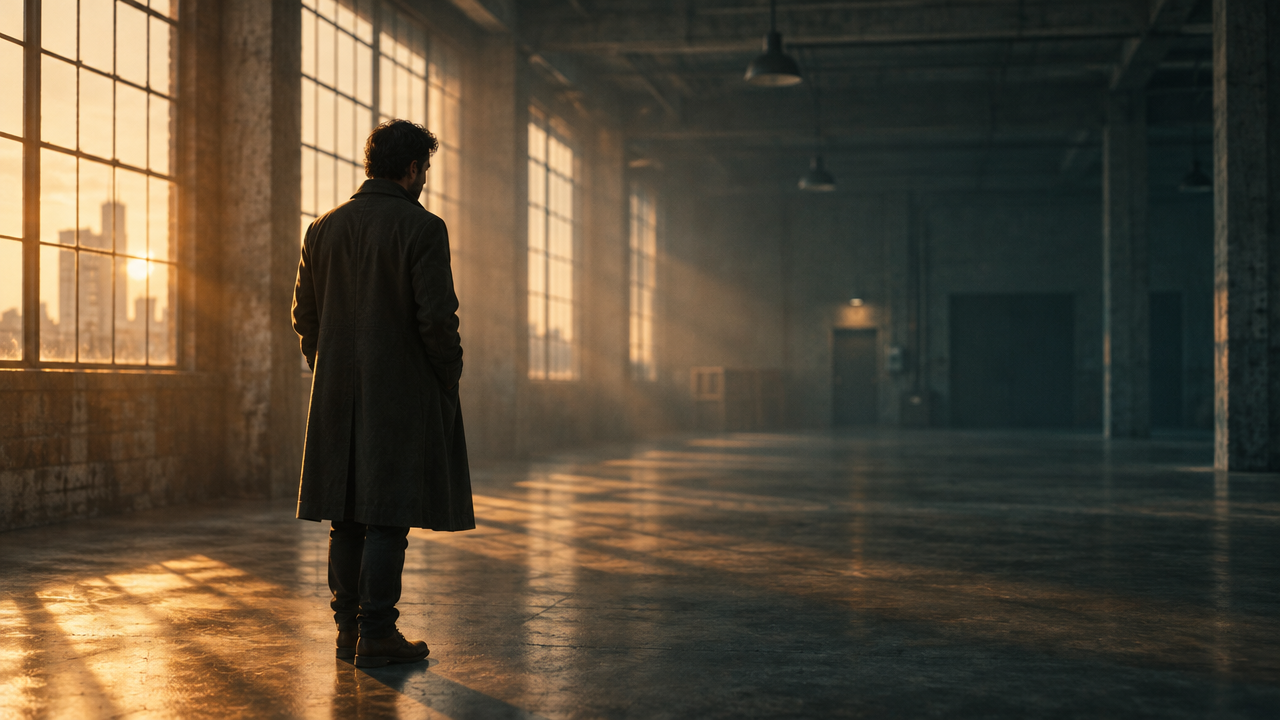
image_urls
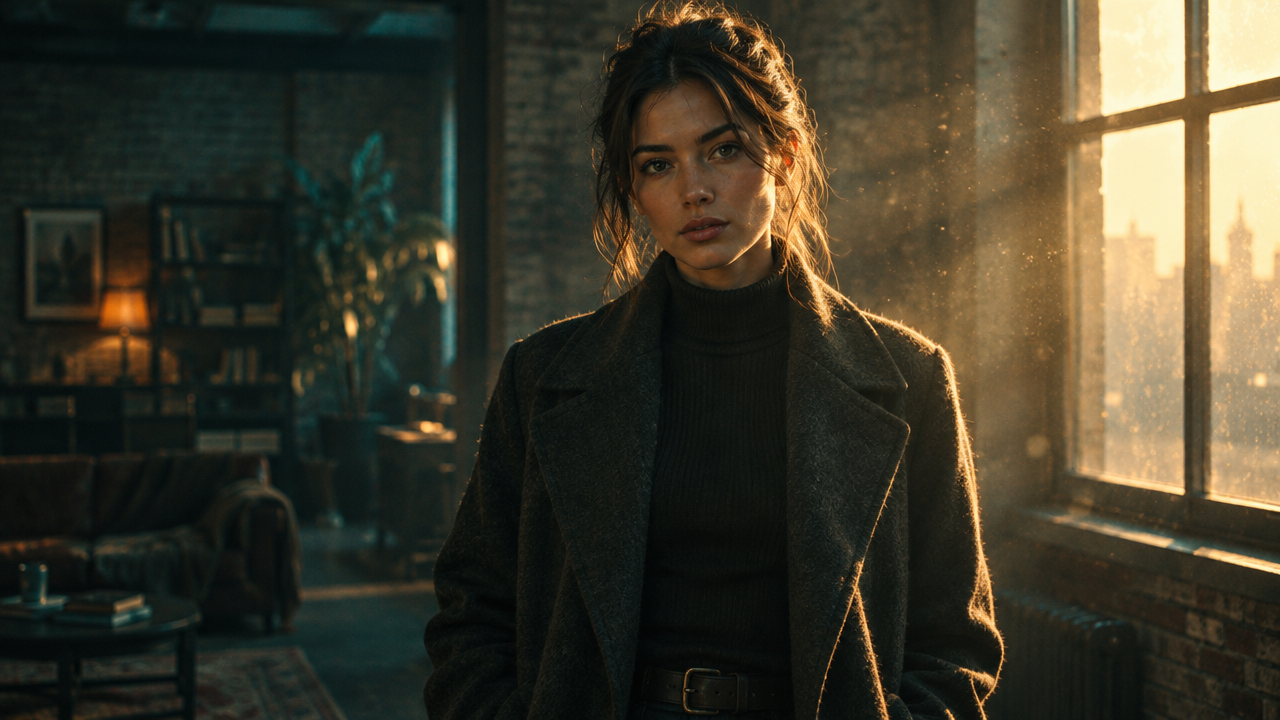
image_urls
Prompt
Perform an image-to-video transition between the two storyboard frames. Camera: slowly push in from a medium-long shot to a medium shot, with slight parallax as the camera drifts to the right, accompanied by a subtle handheld breathing feel. Motion: the subject turns from a three-quarter back view toward the camera, the coat fabric sways with the movement, and ambient dust floats in the light. Lighting: warm low-angle window light rakes across the room, soft volumetric fog, and exposure gradually stabilizes from the first frame to the last. Atmosphere: quiet, cinematic, restrained. Continuity: keep the subject's identity, clothing, and set dressing consistent throughout the shot; ensure the transition is smooth and physically plausible, and end precisely on the composition of the last frame.
Copy the full prompt and adapt it for your own generation.
Tags