
From Text to Image: Reference-Image-Driven Storyboard Concept to Video
This piece demonstrates how the Vidu Q3 reference-to-video pipeline works: first, two concept reference images are generated with the pipeline (the protagonist's appearance and the scene art), then they are introduced in the order Image1, Image2 via a natural-language prompt, outputting a continuous shot with native audio. The reference_image_urls in the schema supports 1–7 reference images, referenced in the prompt by array index naming, so in the storyboard stage you only need to split characters, props, and scenes into separate reference images, and describe camera movement, action pacing, and sound in text to get a narrative segment with consistent subjects. duration can be set from 1–16 seconds; this piece uses 8 seconds to accommodate the complete rhythm of "establishing shot → push-in → character action"; size uses 1920*1080 landscape and audio is enabled, so dialogue and ambient sound are output directly in sync with the picture. Applicable scenarios: storyboard previsualization for comic dramas/short dramas, concept validation for advertising and e-commerce short videos, and series short-film production requiring multi-subject consistency. Developers can directly refer to this entry's base and assets structure, replace their own character and scene images into reference_image_urls, and reproduce the same type of generation workflow.
Style Storyboard · multi-shot · narrative-film
Model vidu-q3-mix
Reference inputs
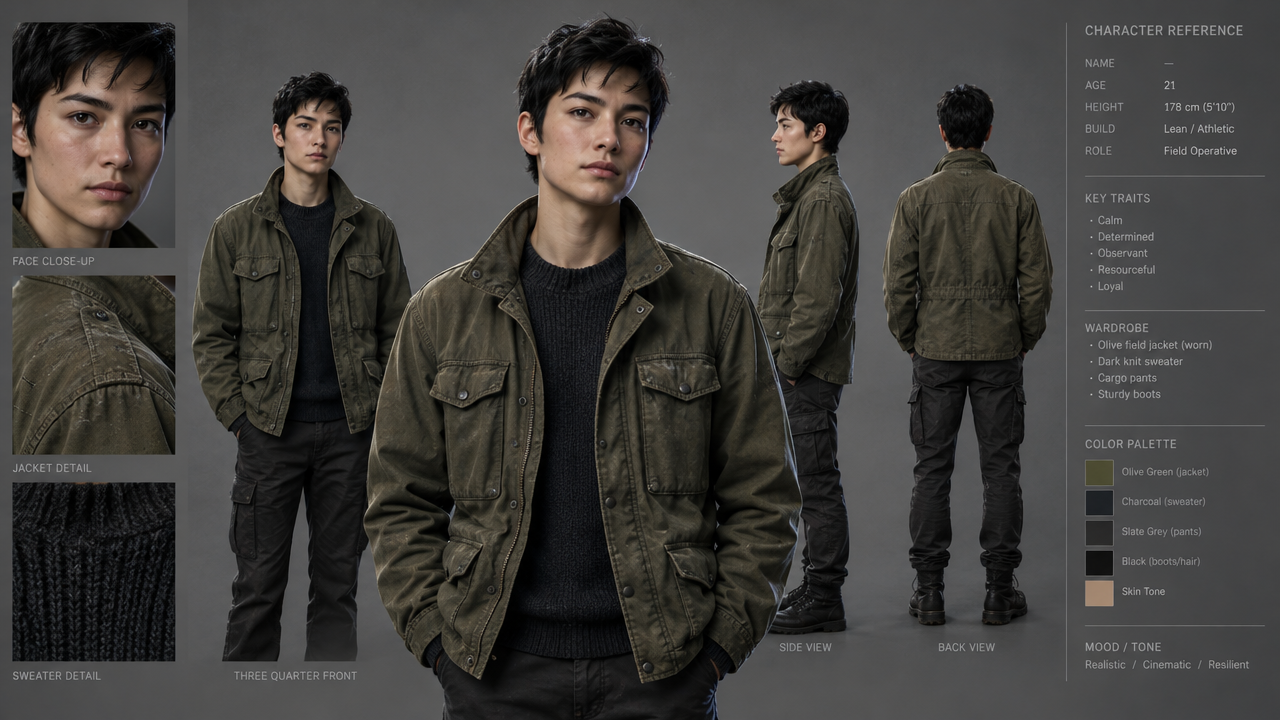
reference_image_urls
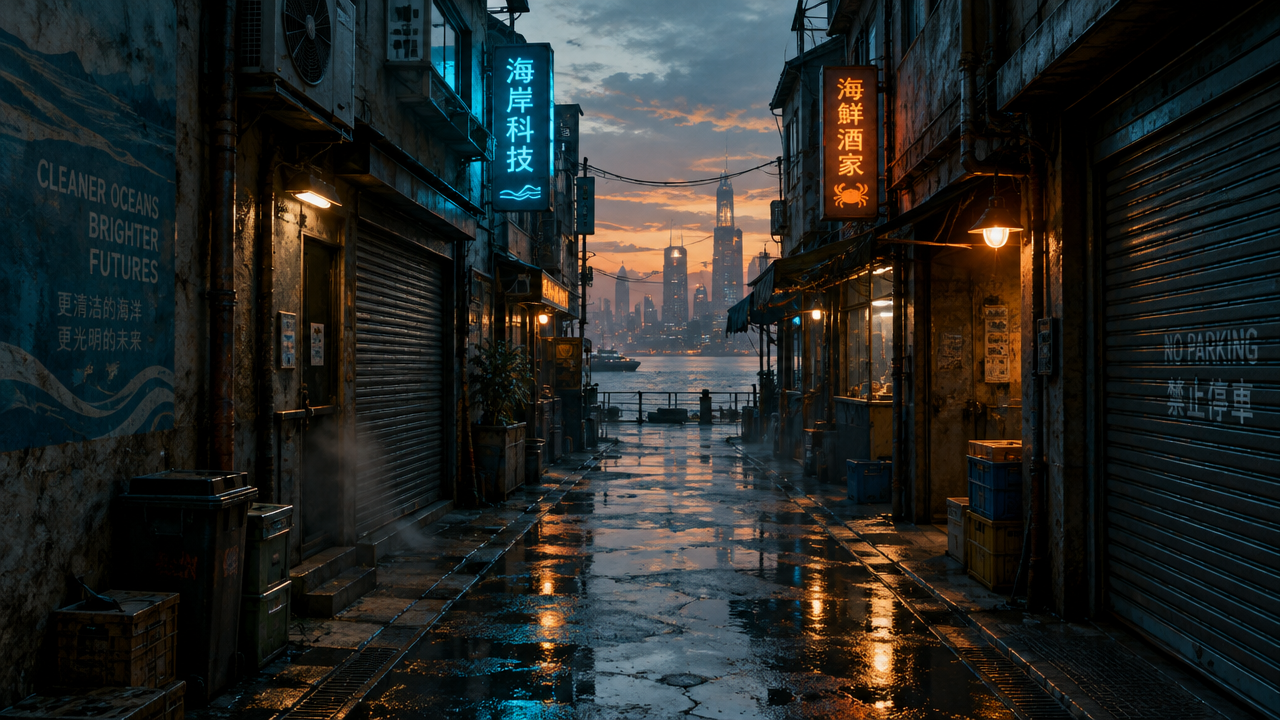
reference_image_urls
Try-it is unavailable: this model's playground configuration isn't ready yet.
Prompt
A multi-shot cinematic continuous sequence built from two reference images. Image 1 defines the protagonist's face, hairstyle, and clothing; Image 2 defines the environment's architecture, color tone, and lighting. Shot 1: a wide establishing shot of the environment, slowly moving laterally, with ambient wind and a distant city hum. Shot 2: cut to a medium shot as the protagonist steps into frame, the camera pushes in, shallow depth of field, soft rim light from behind. Shot 3: a close-up of the protagonist's face as they turn toward the light source, slight handheld drift, with faint breathing and fabric rustling on the audio track. Character identity and clothing remain consistent across all shots, natural film color grading, 24fps motion blur, consistent light direction.
Copy the full prompt and adapt it for your own generation.
Tags