
Cinematic Language Visual Notes: Camera Movement Demonstration (Image-to-Video)
Use wan2.6-flash/image-to-video to turn a static storyboard frame into a short video with explicit camera movement instructions, as a sample entry in "Cinematic Language Visual Notes." Creative approach: first give the model a starting frame with complete composition and a clear subject (a single source image as the video's starting point), then write out camera movement actions such as push-in, pull-out, pan, tracking, and follow in English in the prompt along with the atmospheric pacing, so the image completes one legible camera push within 5 seconds, allowing a direct comparison between the textual description and the actual image dynamics. In terms of composition, base contains only non-media parameters: duration and resolution use the default tiers, and audio is off to emphasize pure visual camera movement; the motion and camera descriptions are written into the top-level prompt. The single starting frame in image_urls is generated by the asset pipeline and then bound, carrying no external fabricated links. This clip is suitable as a draft stage and prompt exploration example for image-to-video: the Flash version prioritizes speed and cost, making it convenient for high-frequency screen tests and camera direction selection; once confirmed, the shot can then be handed to the standard model for final rendering. Applicable scenarios include storyboard previsualization, batch creative testing for short videos, camera movement comparison in photography/editing teaching, and early concept validation for interactive prototypes.
Style Camera Movement · Storyboard · Quick Draft
Model Wan 2.6 Flash
Reference inputs
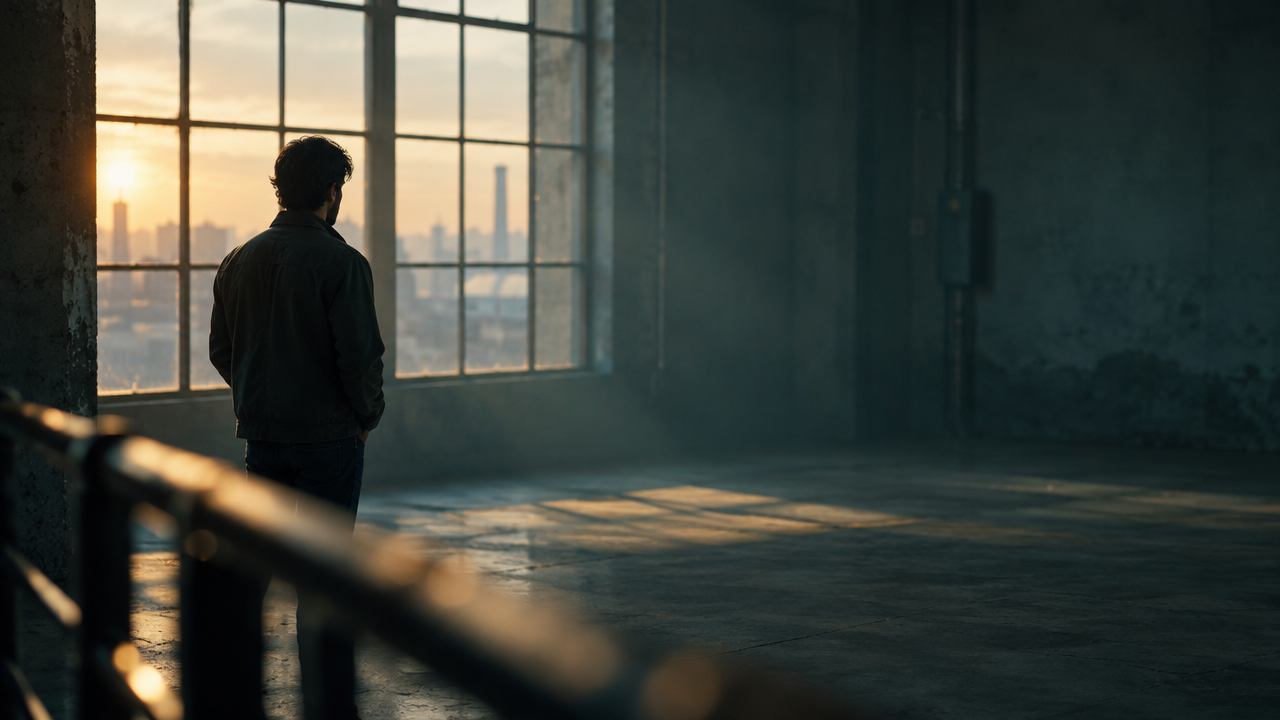
image_urls
Prompt
Animate the static storyboard frame into a continuous camera movement: slowly push in from a wide shot to a medium close-up, with subtle parallax as the camera drifts to the right, slight handheld micro-shake, shallow depth of field pulling focus from the foreground to the subject; soft directional window light, low-saturation cinematic color grading, atmospheric haze in the background; control the pacing within five seconds, no cuts, the subject remains consistent, keeping only natural motion.
Copy the full prompt and adapt it for your own generation.
Tags