OpenAI
GPT Image 2.5
gpt-image-2.5-flare/image-to-image
OpenAI's two-tier image generation and editing models: Flare focuses on speed, Sunburst pursues precision, covering both text-to-image and multi-turn image refinement
Try gpt-image-2.5-flare/image-to-image
Input
Showcases
View all showcasesOutput
image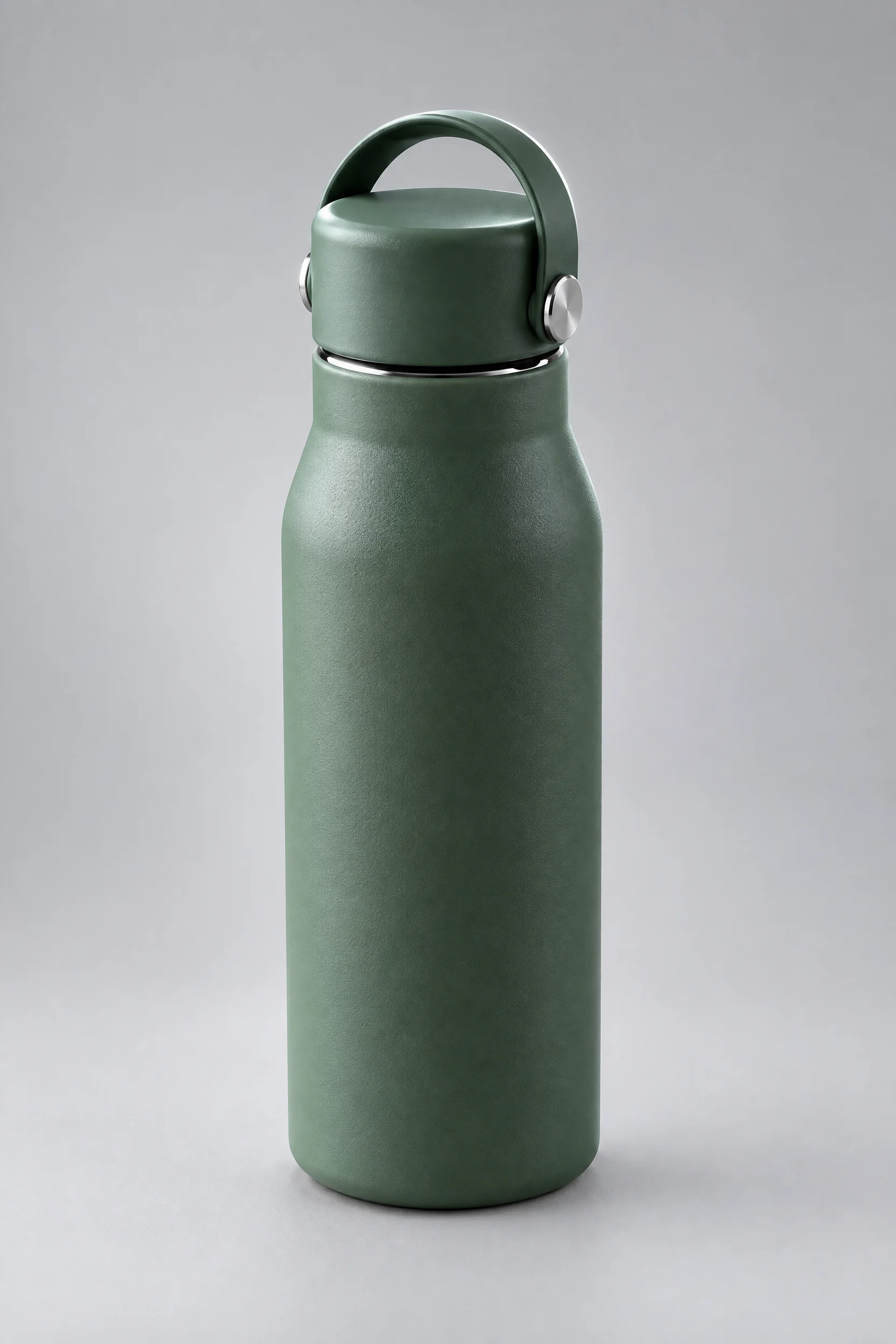
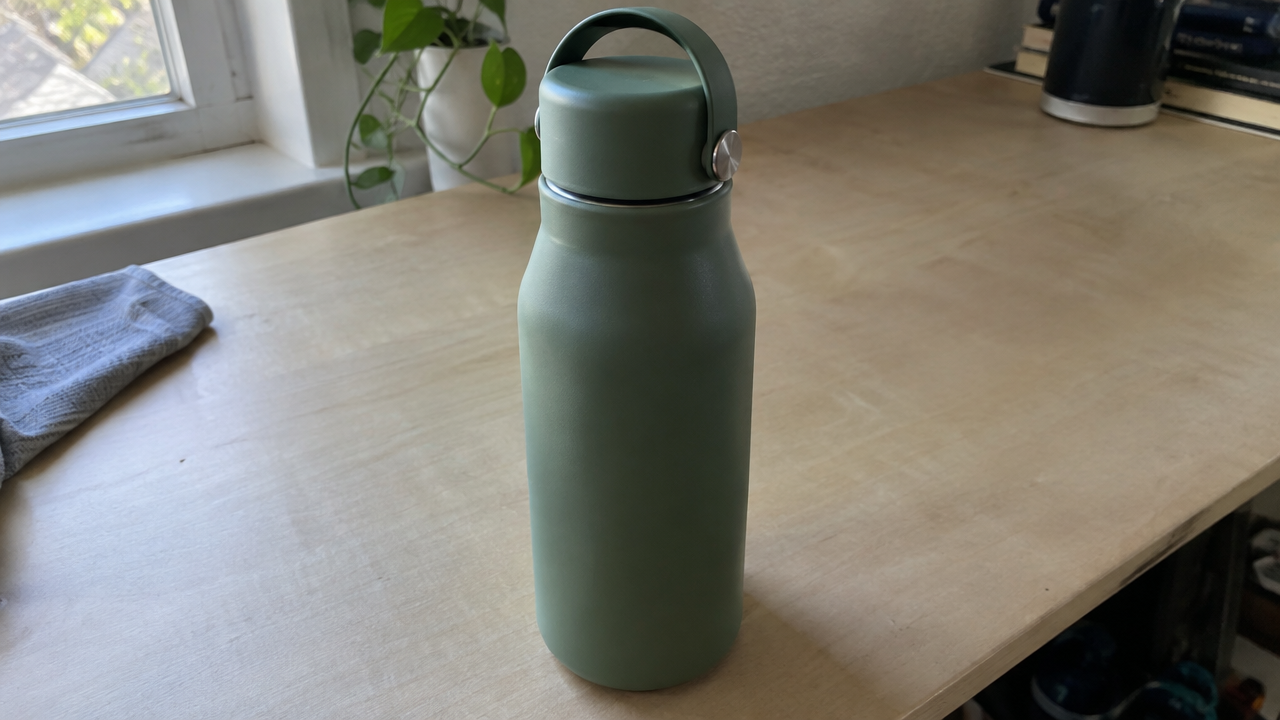
E-commerce Product Retouching: Reference-Image-Driven Texture Relighting
Style Product Image · ecommerce · Studio lighting
Reference inputs
image_urls
Prompt
Studio product photography edited based on the reference image, keeping the product's precise outline, proportions, label positions, and logo unchanged. Replace the casual lighting with controlled softbox lighting: a large key light at 45 degrees upper left, a subtle fill card on the right, and a narrow rim light tracing the top edge to separate the product from the background. Show realistic material response—sharp highlights on hard surfaces, soft gradient falloff on matte areas, subtle micro-texture grain on brushed or fabric surfaces. Place the product on a seamless light gray gradient background with a soft contact shadow below, no clutter, and no props other than the product. Shot with a 100mm macro lens at f/11, deep depth of field, sharp edge detail, neutral white balance, commercial e-commerce retouching look, high resolution.
Copy the full prompt and adapt it for your own generation.
Tags
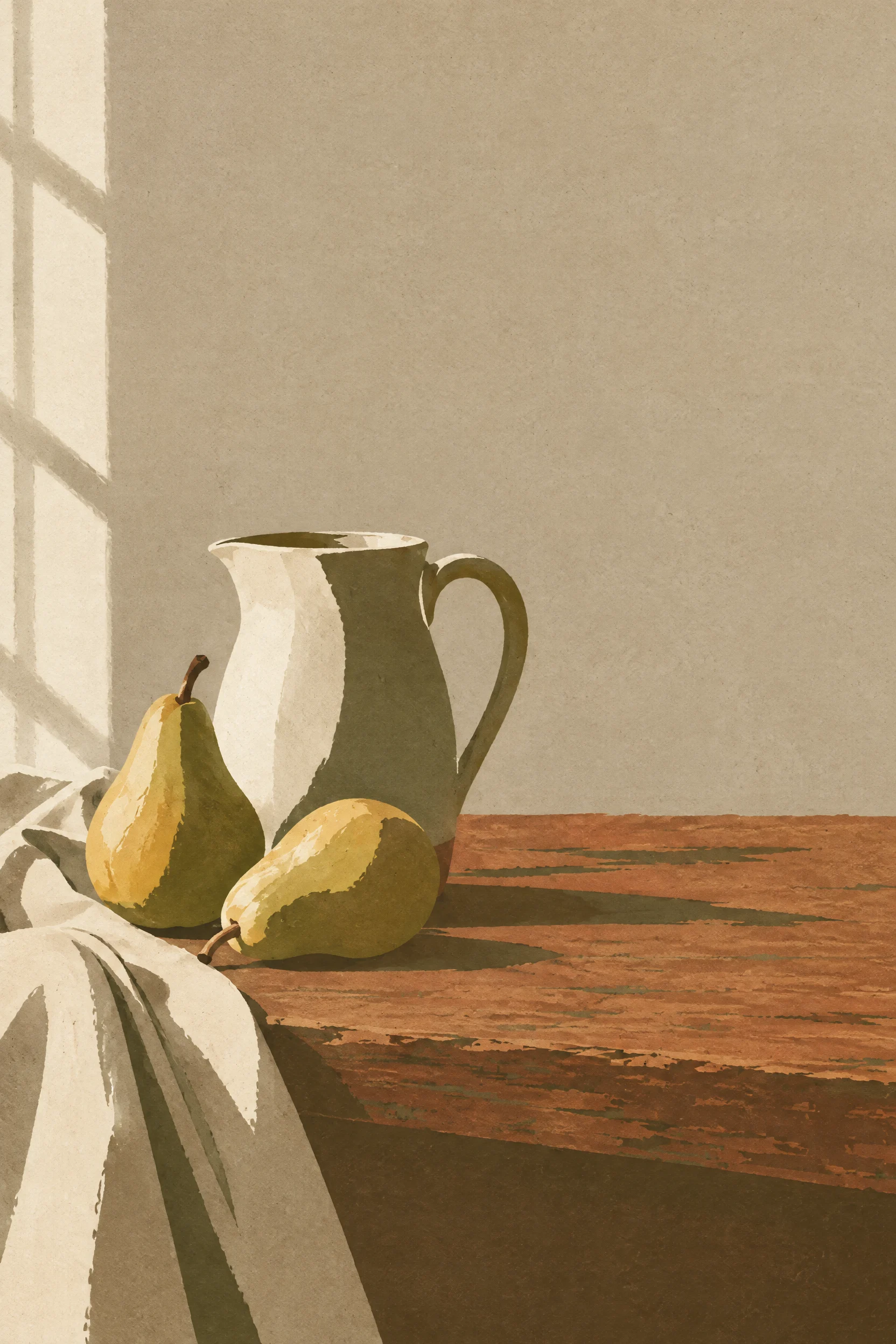
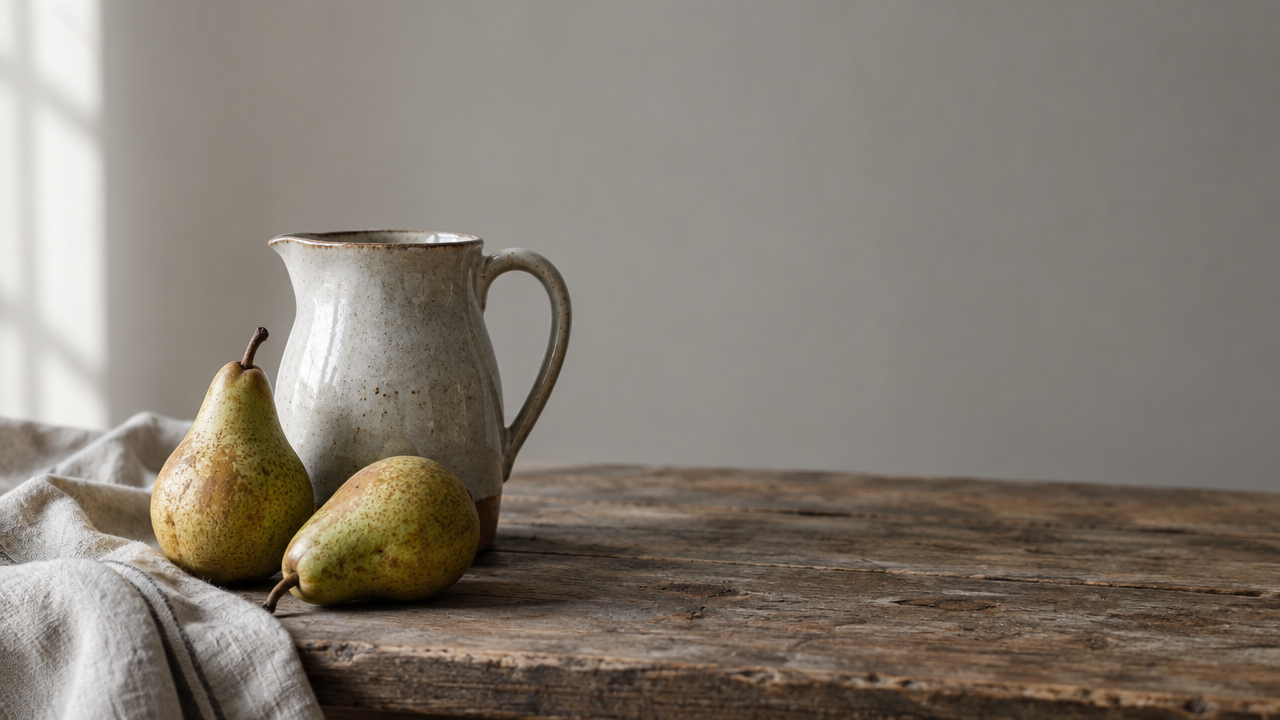
Realistic to Flat: A Style Spectrum — Flare Image-to-Image Illustration Translation
Style Illustration · style-transfer · Editing
Reference inputs
image_urls
Prompt
An editorial-style still-life illustration derived from a reference photograph, preserving the original composition, object placement, and light direction while translating the rendering into a mid-century modern flat illustration style: matte gouache-like flat color blocks, reduced internal detail, two-tone light and shadow replacing gradients, subtle paper texture, a restrained palette of warm terracotta, deep olive green, and off-white, crisp yet slightly imperfect edge shapes, major forms without outlines, and extremely thin accent lines used only where forms need to be distinguished. Retain the recognizable silhouettes and shadow logic of the source image; keep the composition simple, leaving quiet negative space in the upper right. Wide 16:9 composition, poster-like balance, no text, no extraneous objects.
Copy the full prompt and adapt it for your own generation.
Tags
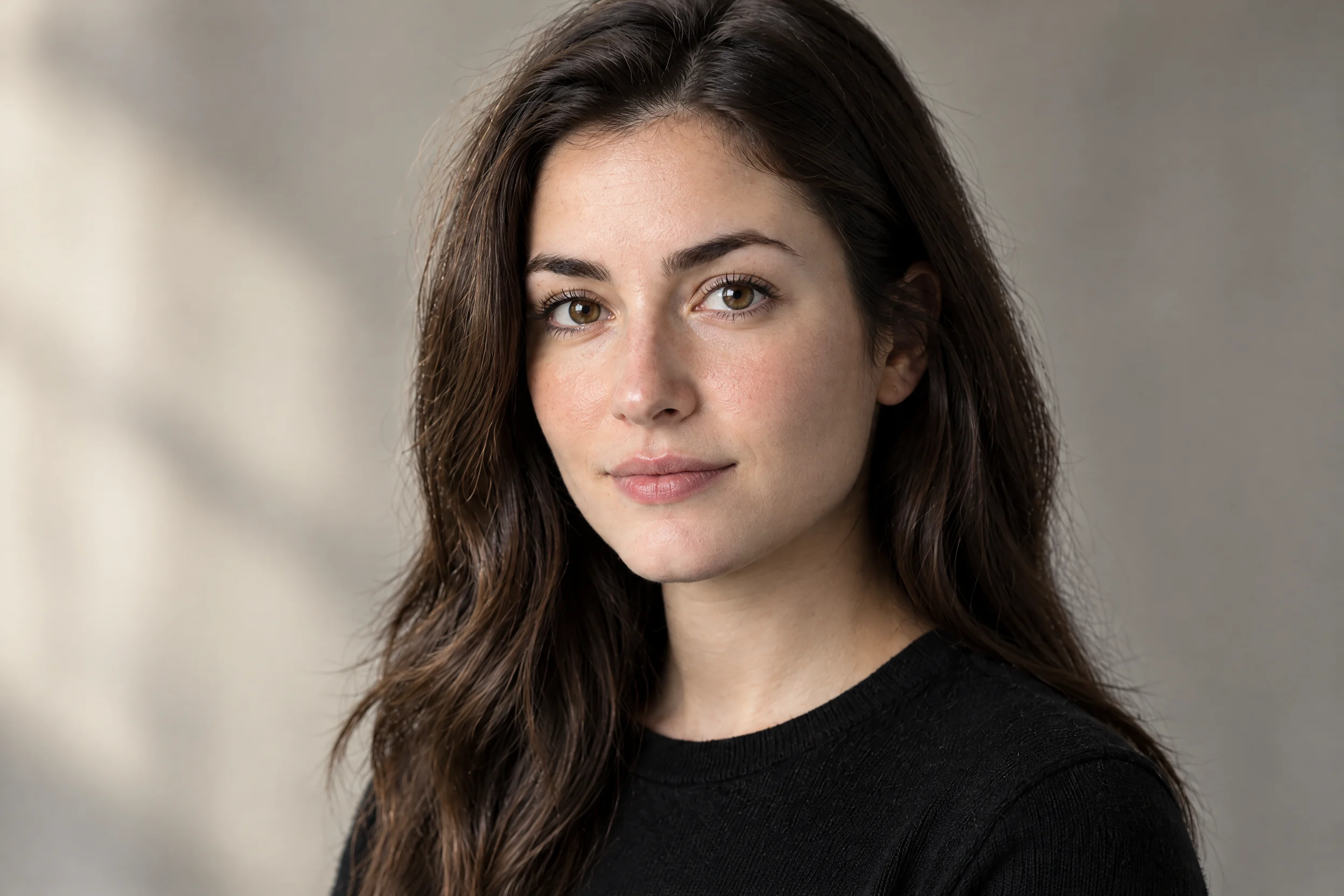
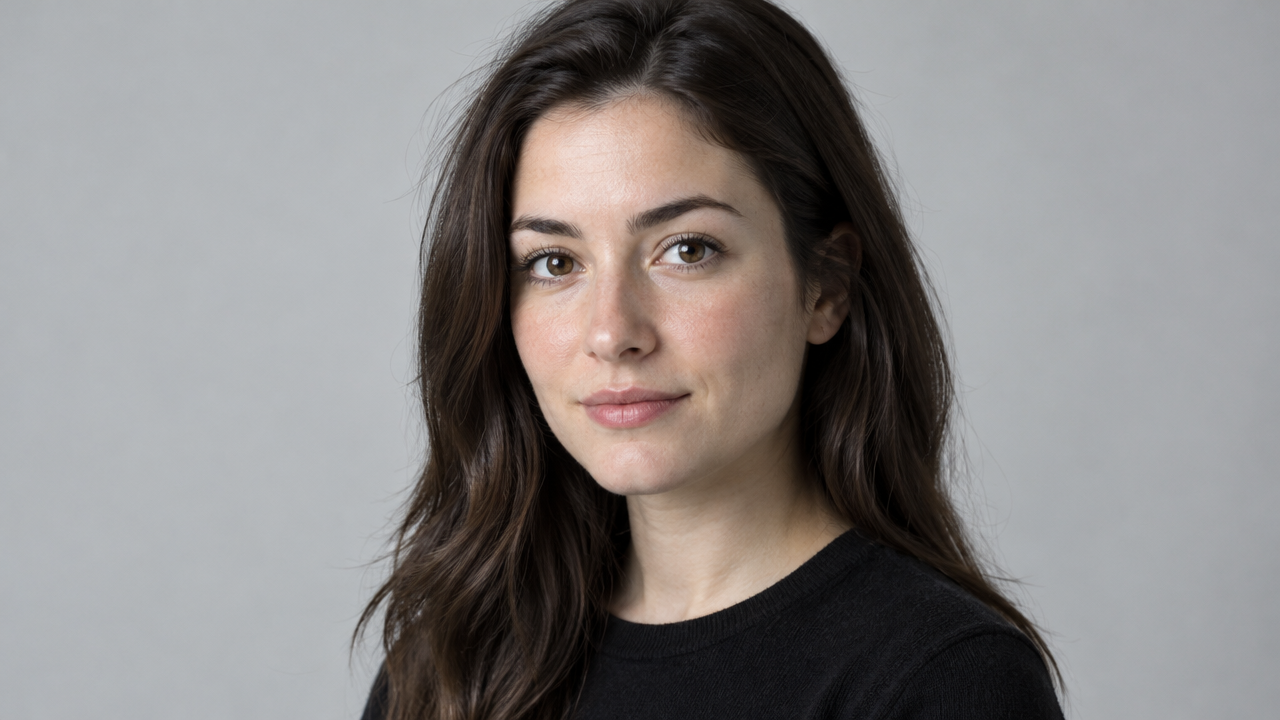
Two Directions for the Same Portrait: Realistic and Artistic Redrawing
Style Portrait & Photography · Image Editing · style-transfer
Reference inputs
image_urls
Prompt
Image-to-image portrait style re-creation: preserve the identity features, facial structure, pose, and composition of the person in the reference photo. Present natural skin texture with visible pores and fine vellus hair, soft directional window light coming in from the left side of the lens, gentle transitions in the shadows, and subtle highlights on the cheekbones and bridge of the nose. Real photographic texture, 85mm lens compression, shallow depth of field, background blurred into soft neutral tones, restrained color grading, no excessive skin smoothing or plastic-looking skin. Vertical 4:3 composition, head-and-shoulders crop.
Copy the full prompt and adapt it for your own generation.
Tags
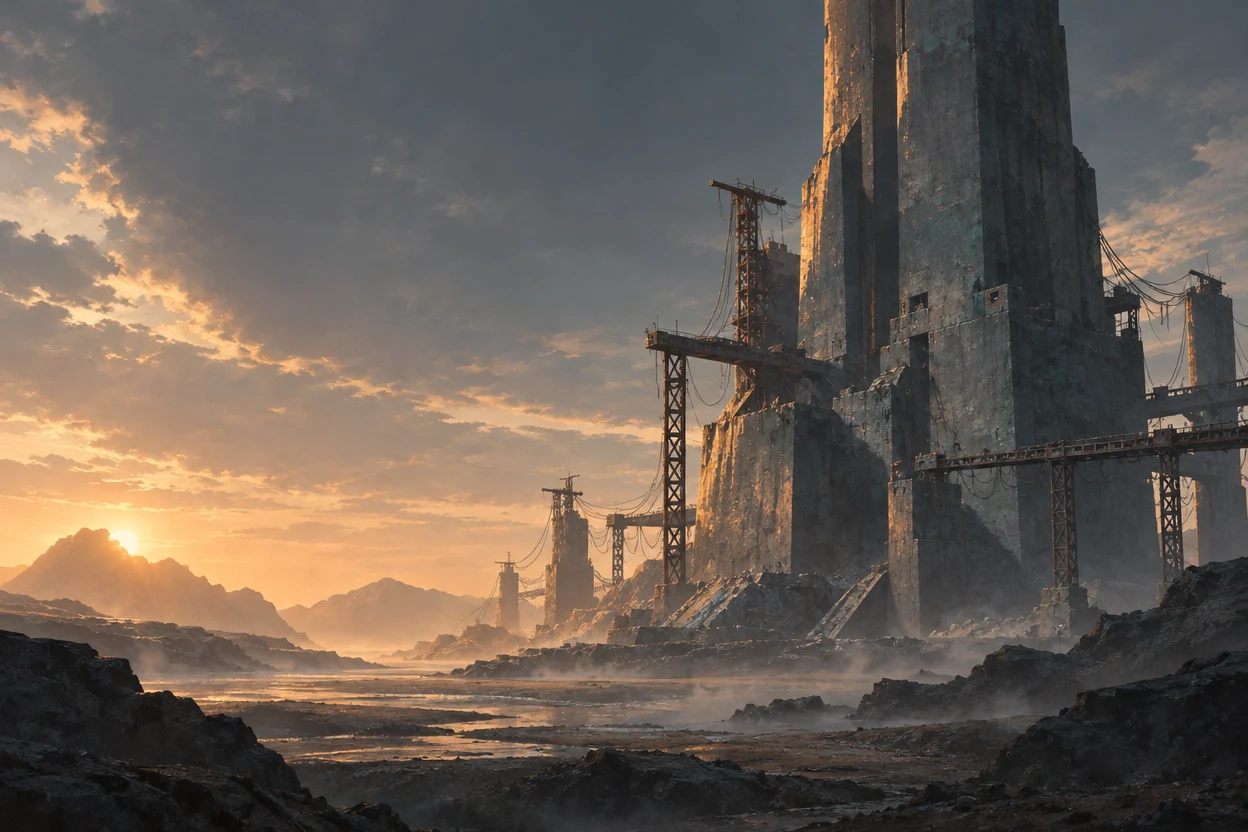
Worldbuilding Concept Art: Image-to-Image Exploration of Ruin Atmosphere
Style Concept Art · Worldbuilding · Environmental Design
Reference inputs
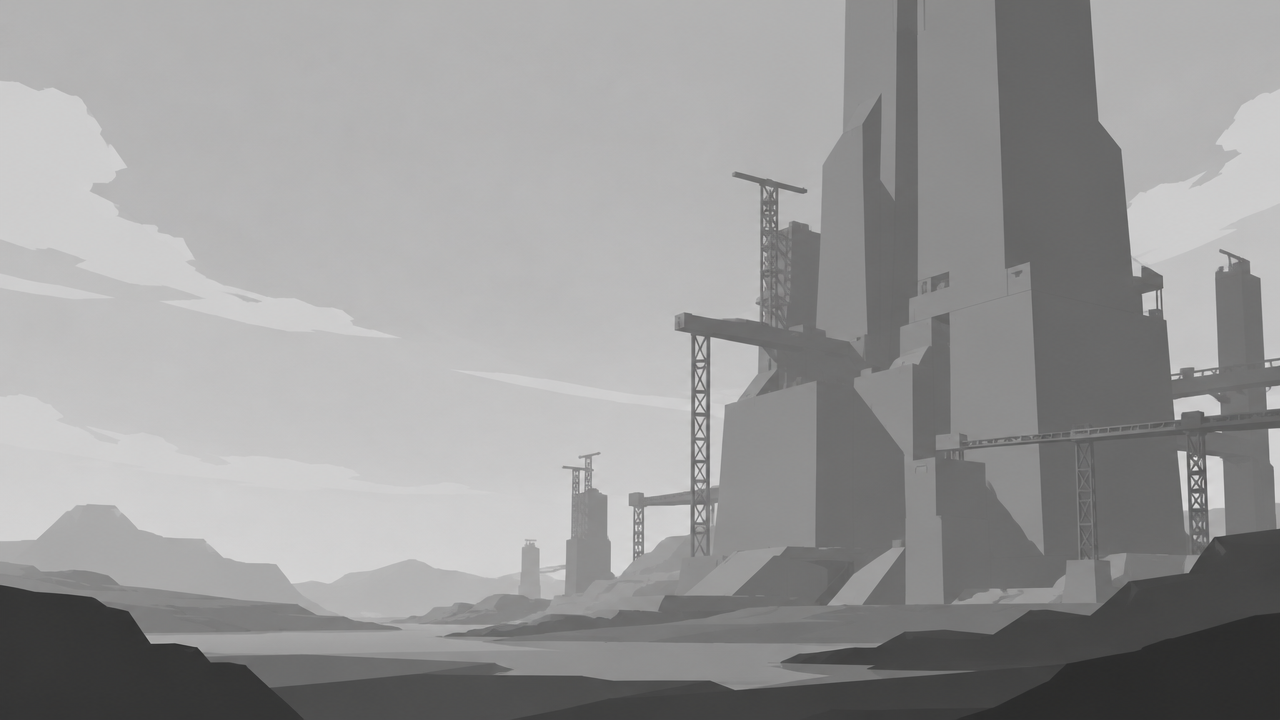
image_urls
Prompt
An image-to-image environment concept design piece: preserve the composition, horizon line, and architectural masses of the reference sketch, and develop them into a complete environment concept illustration. A grand ruined megastructure at dusk, a half-buried monolithic construct, hanging cables and weathered scaffolding, with thin mist gathering at ground level. Cinematic 16:9 frame, lowered horizon, large negative space left in the sky, a low sun on the left casting strong directional rim light, cool ambient fill in the shadows, warm dust haze creating atmospheric depth. Soft desaturated palette of slate gray, oxidized teal-green, and pale ochre, with a single warm accent where the light strikes the main structure. Matte painting finish, richly layered texture detail on stone and metal, clean and readable silhouettes, no text, no watermark.
Copy the full prompt and adapt it for your own generation.
Tags
Pricing
gpt-image-2.5-flare/image-to-image per image
| Specifications | Unit Price |
|---|---|
| 1K | $0.050 |
| 2K | $0.080 |
| 4K | $0.120 |
Positioning Overview
gpt-image-2.5-flare/image-to-image is an interface for image editing within the OpenAI image model family. It takes one to sixteen reference images and an editing instruction as input, and outputs a single generated image. Compared with Sunburst, Flare focuses more on balancing speed and image quality, making it suitable for applications that require fast image generation or batch processing. Developers can call it through the unified HiAPI.ai interface, choosing between 1K to 4K resolutions and a variety of aspect ratios. It also supports transparent background output, making it suitable for image transformation tasks such as e-commerce assets, brand visuals, and design refinement.
Core Highlights
- Multi-reference image input, up to 16 images — A single request can carry up to 16 source or reference images, making it easy to blend multiple assets or lock in the subject and layout.
- Transparent background limited to the 1K tier — Background mode offers three options: transparent, opaque, and auto, but is available only at 1K resolution; the parameter must be omitted for 2K and 4K.
- Selectable resolution and aspect ratio — Output supports three tiers — 1K, 2K, and 4K — and thirteen aspect ratios, with auto ratio as the default; you can predefine the ratio based on the placement.
- Flare emphasizes a balance between speed and quality — The same family also includes the precision-oriented Sunburst version; Flare is better suited to routine editing workflows with response-time requirements.
Capability Description
Multi-image reference editing: Accepts up to 16 JPEG, PNG, or WebP images, along with an instruction description of up to 20,000 characters specifying the transformation goal; suitable for redrawing an image while preserving the reference subject and layout.
Resolution and aspect ratio control: You can specify 1K, 2K, or 4K output tiers and choose from ratios such as 1:1, 16:9, 9:16, and 21:9, reducing post-processing cropping costs and aligning output directly with placement dimensions.
Background mode switching: At 1K resolution, the background can be set to transparent, opaque, or auto. Transparent output makes it easy to go directly into compositing and layout workflows, reducing cutout steps.
Fine-grained instruction-based revision: Thanks to the relatively long prompt allowance and adherence to complex visual instructions, you can perform local replacement, style adjustment, and detail retouching on an existing image, making it suitable for iterative editing workflows.
Use Cases
- E-commerce operations: batch transformation of assets based on product images — Input actual product photos and image-editing instructions to produce product visuals in multiple sizes and aspect ratios for detail pages, main images, and ad placement assets.
- Brand marketing: compositing visual drafts from multiple reference images — Blend multiple reference images to generate style-consistent visual drafts for early validation of proposals, presentations, and website imagery.
- Design collaboration: repeated refinement on an existing layout — Use an existing design draft as input and revise the subject, lighting, and background round by round to produce a final image that can go directly into subsequent layout work.
- Asset production: transparent background image output — Generate transparent background element images at the 1K tier for icons, stickers, and composite asset libraries, eliminating extra cutout steps.
Limitations and Selection Advice
This interface performs image editing only and requires at least one source image; it cannot generate from text alone. Background mode works only at the 1K tier and must be omitted for 2K and 4K. Layouts involving large amounts of small text or complex legends are still prone to errors and require human review. If you need higher detail fidelity and can accept longer wait times, you can choose the Sunburst route; if you need pure text-to-image, switch to the corresponding text-to-image route. High-resolution output increases computation and wait overhead.
Create a generation task
https://api.hiapi.ai/v1/tasks Headers
AuthorizationstringRequiredAccount API key. Required on every request. Example: Bearer YOUR_HIAPI_API_KEY. Get your API key
Content-TypestringOptionalThe request body is always parsed as JSON; when sent, only application/json (optionally with charset) is accepted — any other value returns 415. Example: application/json.
Idempotency-KeystringOptionalIdempotency key, up to 255 bytes. Retries with the same key from the same account create the task only once; replays return the original taskId.
On network timeouts or client retries, the same key creates the task only once — no double charges (scope: the API key's account). Use a business-unique identifier as the key (e.g. "order-42"); replays return the original taskId, and keys expire 24 hours after the first request. See the Unified Async API overview for the full scenario matrix.
Body
modelstringRequiredCurrent fixed value: gpt-image-2.5-flare/image-to-image
routestringOptionalCurrent fixed value: default
inputobjectRequired
Business parameters for gpt-image-2.5-flare/image-to-image and route default — see the parameter table below.
promptstringRequiredminLength 1maxLength 20000Generation or editing instruction describing what to generate or edit based on the source image, up to 20,000 characters.
backgroundstringOptionalBackground mode, supported only at 1K resolution; omit this parameter when using 2K/4K resolution.
transparentopaqueautoimage_urlsarrayRequiredminItems 1maxItems 16Array of source images or reference images, supporting 1 to 16 images in JPEG, PNG, or WebP format.
Array [ string ]
resolutionstringOptionalDefault: "1K"Output resolution tier, defaults to 1K; when background is auto, opaque, or transparent, only 1K is supported.
1K2K4Kaspect_ratiostringOptionalDefault: "auto"Output aspect ratio; defaults to auto when omitted.
auto1:13:22:34:33:416:99:16Show all (5)
21:927:1616:279:88:9callbackobjectOptional
Terminal-state notification config. When omitted, no callback is delivered — poll the task yourself. See the callback note below.
Provide callback.url when creating a task and HiAPI POSTs to your service once the task reaches a terminal state — no polling needed. The callback payload mirrors the task detail structure; signature verification, delivery retries and idempotency are documented on the Unified Async API overview page.
urlstringRequiredRequired when callback is present. A POST is sent to this URL once the task reaches a terminal state; must be a valid http(s) URL.
whenstringOptionalDefault: "final"Only final is supported today — notified on both success and fail.
finalstoragestringOptionalDefault: "temp"Artifact storage tier: temp (default, retained about 7 days) or persistent (long-term, billed by size). Insufficient balance or exceeding the storage cap silently downgrades to temp; the effective tier is shown in the task detail response.
temppersistentRequest examples
# Submit an async task; returns a taskId immediately (no waiting for generation)
curl -X POST "https://api.hiapi.ai/v1/tasks" \
  -H "Authorization: Bearer $HIAPI_API_KEY" \
  -H "Content-Type: application/json" \
  -d '{
  "model": "gpt-image-2.5-flare/image-to-image",
  "input": {
    "prompt": "…",
    "image_urls": "…",
    "resolution": "1K",
    "aspect_ratio": "auto"
  }
}'
const res = await fetch("https://api.hiapi.ai/v1/tasks", {
method: "POST",
headers: {
Authorization: `Bearer ${process.env.HIAPI_API_KEY}`,
"Content-Type": "application/json",
},
body: JSON.stringify({
model: "gpt-image-2.5-flare/image-to-image",
input: {
"prompt": "…",
"image_urls": "…",
"resolution": "1K",
"aspect_ratio": "auto"
}
}),
});
const task = await res.json();
// { code: 200, message: "success", data: { taskId } }import os, requests
res = requests.post(
"https://api.hiapi.ai/v1/tasks",
headers={"Authorization": f"Bearer {os.environ['HIAPI_API_KEY']}"},
json={
"model": "gpt-image-2.5-flare/image-to-image",
"input": {
"prompt": "…",
"image_urls": "…",
"resolution": "1K",
"aspect_ratio": "auto"
}
},
)
print(res.json()) # { code, message, data: { taskId } }200 OK
{
  "code": 200,
  "message": "success",
  "data": {
    "taskId": "tk-hiapi-01HZTQ8BX2N3GM3YFK4Z9D7VQR"
  }
}
400 Bad Request
{
  "code": 400,
  "message": "invalid request",
  "data": null,
  "error_code": "INVALID_REQUEST"
}
Get task detail
https://api.hiapi.ai/v1/tasks/:id Response fields
taskIdstringRequiredTask ID, always prefixed with tk-hiapi-.
modelstringRequiredResolved full model name. Tasks submitted with the route parameter return base@route (e.g. gpt-image-2/text-to-image@ext); otherwise identical to the name passed at creation.
routestringOptionalPresent only when the task was submitted with an explicit route parameter; echoes the submitted value.
statusstringRequiredTask status.
queued Queued, not started yet.
handling Being processed.
archiving Processing finished, artifacts being prepared.
success Terminal: completed, artifacts available (output returned).
fail Terminal: failed (error returned).
After submission, check status: success and fail are terminal, everything else is non-terminal. Poll every 1–3 seconds until terminal. On success, download artifacts from output[].url and transfer them before expireAt; pass storage: "persistent" at creation time when long-term retention is needed.
creatednumberRequiredTask creation time (Unix seconds).
completednumberRequiredUnix seconds when the task reached a terminal state; fixed to 0 while not terminal.
outputarrayOptional
Present only when status == success. Artifact list — always an array; a single task may return multiple types at once (e.g. video + first_frame).
Array [ object ]
Array items
urlstringRequiredArtifact URL, directly downloadable.
typestringRequiredCurrent possible values: video, image, audio, first_frame, last_frame, thumbnail; more may be added later.
expireAtnumberRequiredUnix seconds until which the artifact remains accessible; download or transfer before it expires.
errorobjectOptional
Present only when status == fail.
codestringRequiredBusiness error code.
messagestringRequiredError description.
Response examples
Success
{
  "code": 200,
  "message": "success",
  "data": {
    "taskId": "tk-hiapi-01HZTQ8BX2N3GM3YFK4Z9D7VQR",
    "model": "happyhorse-1-0",
    "status": "success",
    "created": 1777282033,
    "completed": 1777282099,
    "output": [
      {
        "url": "https://cdn.hiapi.ai/tasks/.../video.mp4",
        "type": "video",
        "expireAt": 1777886899
      }
    ]
  }
}
Processing (non-terminal)
{
  "code": 200,
  "message": "success",
  "data": {
    "taskId": "tk-hiapi-...",
    "model": "happyhorse-1-0",
    "status": "archiving",
    "created": 1777282033,
    "completed": 0
  }
}
Failed
{
  "code": 200,
  "message": "success",
  "data": {
    "taskId": "tk-hiapi-...",
    "model": "happyhorse-1-0",
    "status": "fail",
    "created": 1777282033,
    "completed": 1777282099,
    "error": {
      "code": "TASK_FAILED",
      "message": "task failed"
    }
  }
}Articles
View all articles →Related Models
View all models →Same Type
-
 Grok Imagine Quality xAI $0.070 /image
-
 Grok Imagine Image 2.0 xAI $0.052 /image
-
 FLUX 3 Image Black Forest Labs $0.041 /image
-
 Recraft Crisp Upscale Recraft $0.004 /image
-
 FLUX.1 Fill Pro Black Forest Labs $0.071 /image
-
 Imagen 4 Google $0.030 /image
-
 FLUX.2 Klein 9B Black Forest Labs $0.0086 /image
-
 BRIA Eraser Bria $0.058 /image
-
 Z-Image Alibaba $0.008 /image
-
 FASHN Tryon v1.6 FASHN $0.107 /image
-
 FLUX.1 Kontext Max Black Forest Labs $0.071 /image
-
 Muse Image 1.0 Meta $0.015 per task