
From Sketch to Shot: Reference-Image-Driven Scene Storyboards
Centered on the reference-image input capability of kling-4.0-flash/reference-to-video, this demonstrates the "from text to image" storyboard concept: first use two reference images to lock in the character's appearance and the scene's atmosphere respectively, then refer to them in the prompt as @Image1 / @Image2, letting the model turn a static setup into a continuous moving shot. In terms of composition, base carries only non-media parameters: 5-second duration, 720p, 16:9; the two reference assets are generated by the pipeline and bound to image_urls[0] and image_urls[1] respectively. The reference images are not the first frame, so the model does not simply "animate" the images; instead it reorganizes the performance and camera movement based on the prompt description, making it suitable for storyboard previsualization, social-media short-video hook testing, and rapid iteration on creative drafts. Since this model supports a single duration of 3–20 seconds, outputs 720p 8-bit SDR, and does not support first/last frame or multi-keyframe control, this work is positioned as a low-cost, fast-paced proof of concept rather than a final cut; before formal rendering, it can be used to quickly compare composition and character consistency.
Style Storyboard · Reference-driven · Shot preview
Model Kling 4.0 Flash
Reference inputs
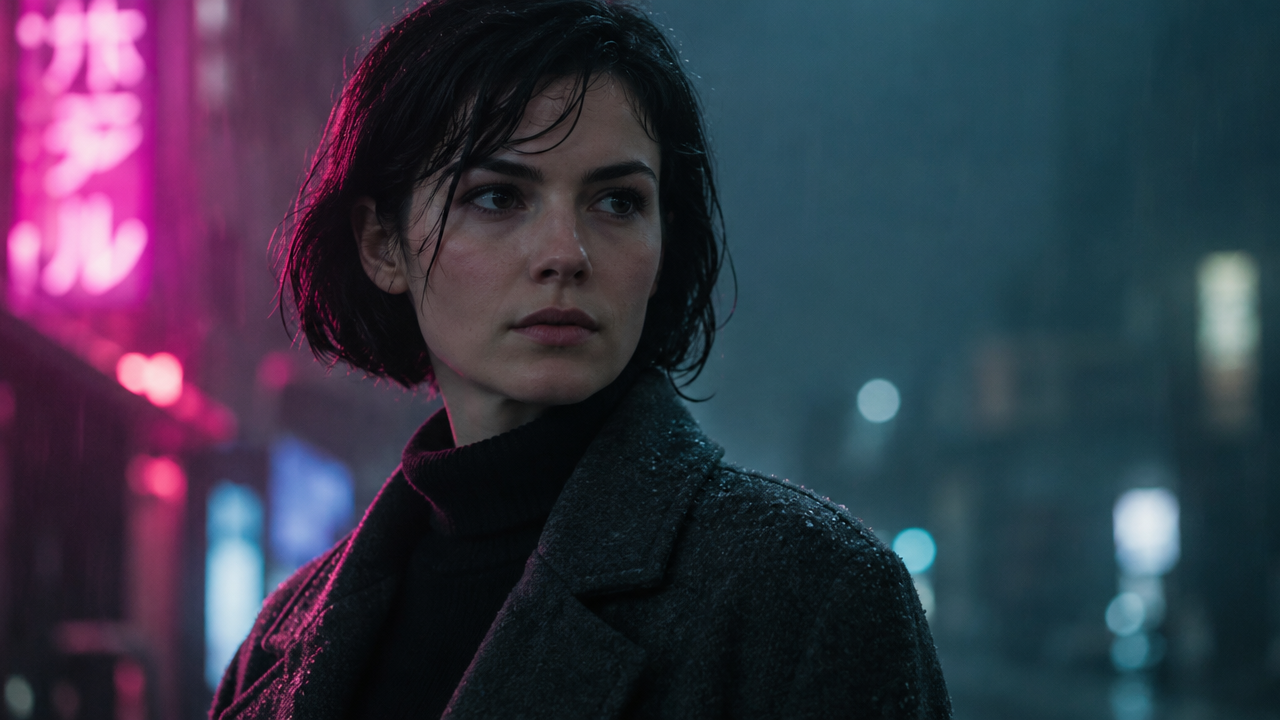
Reference images
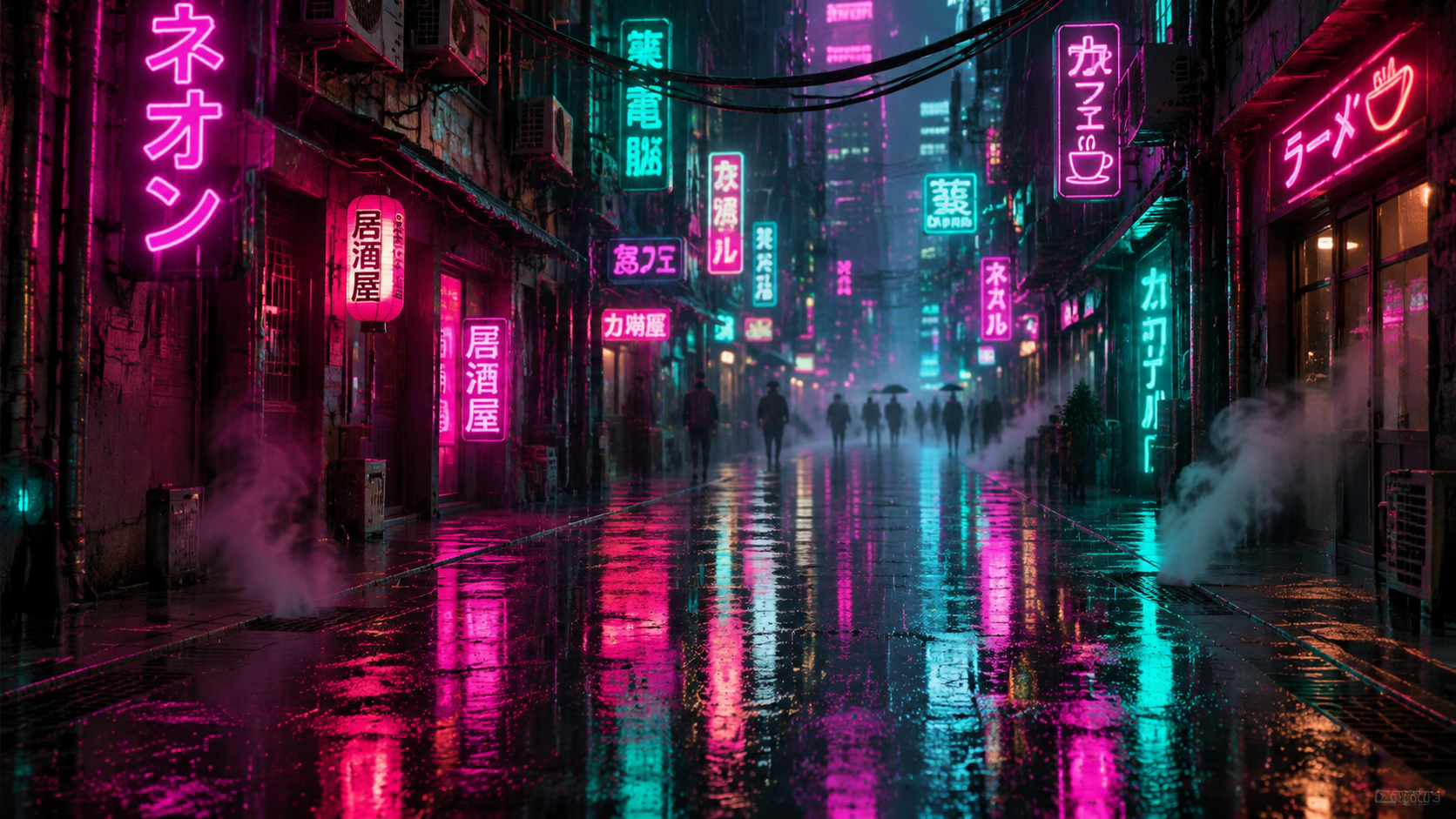
Reference images
Prompt
A cinematic previsualization shot: the young woman from @Image1 walks through the rain-soaked neon alley from @Image2, the camera slowly pushing in from a medium shot to a close-up, her reflection sliding across the wet pavement, shallow depth of field, cyan and magenta practical lights, fine rain streaks backlit by the sign lights, a slight handheld drift, 24fps cinematic motion, 16:9 composition, character identity kept consistent throughout the shot.
Copy the full prompt and adapt it for your own generation.
Tags